Abubakar
Abu Bakar has been working as an SEO expert for the past few years and helped many businesses generating leads and organic traffic through Semantic SEO & Generative Engine Optimization.
84 articles
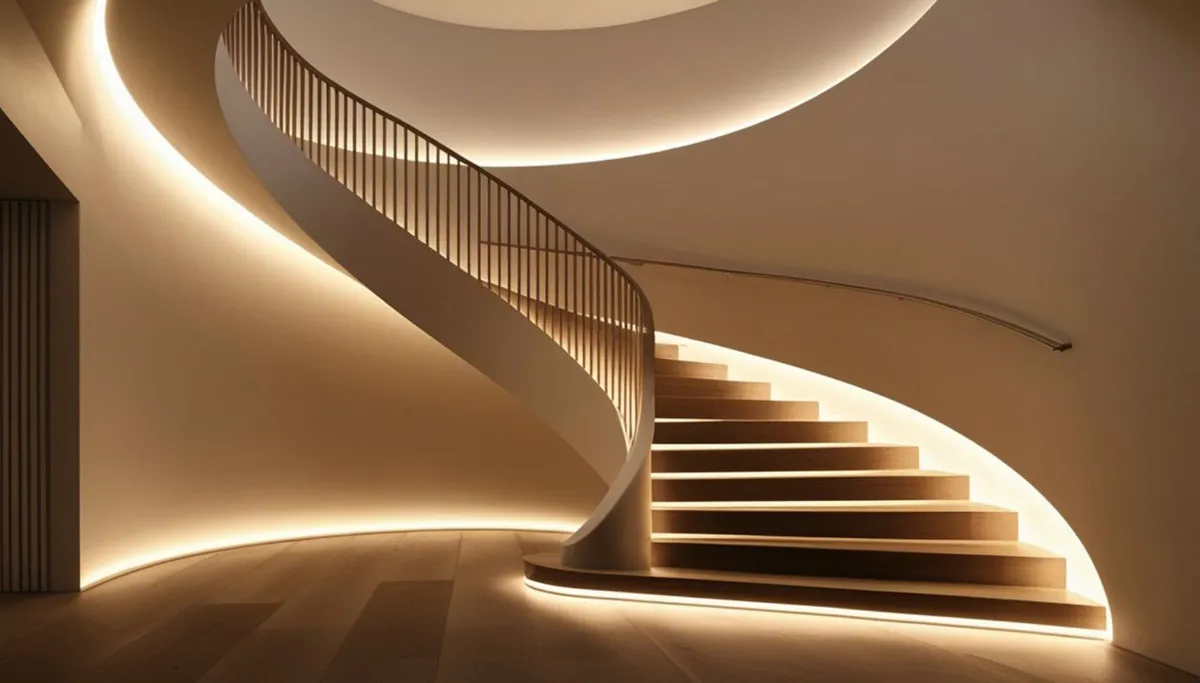
How to Install LED Strip Lights on Stairs (Easy DIY)
Install LED strip lights on stairs in about an hour - no electrician. Learn placement, cutting, wiring, and motion sensors, step by step.
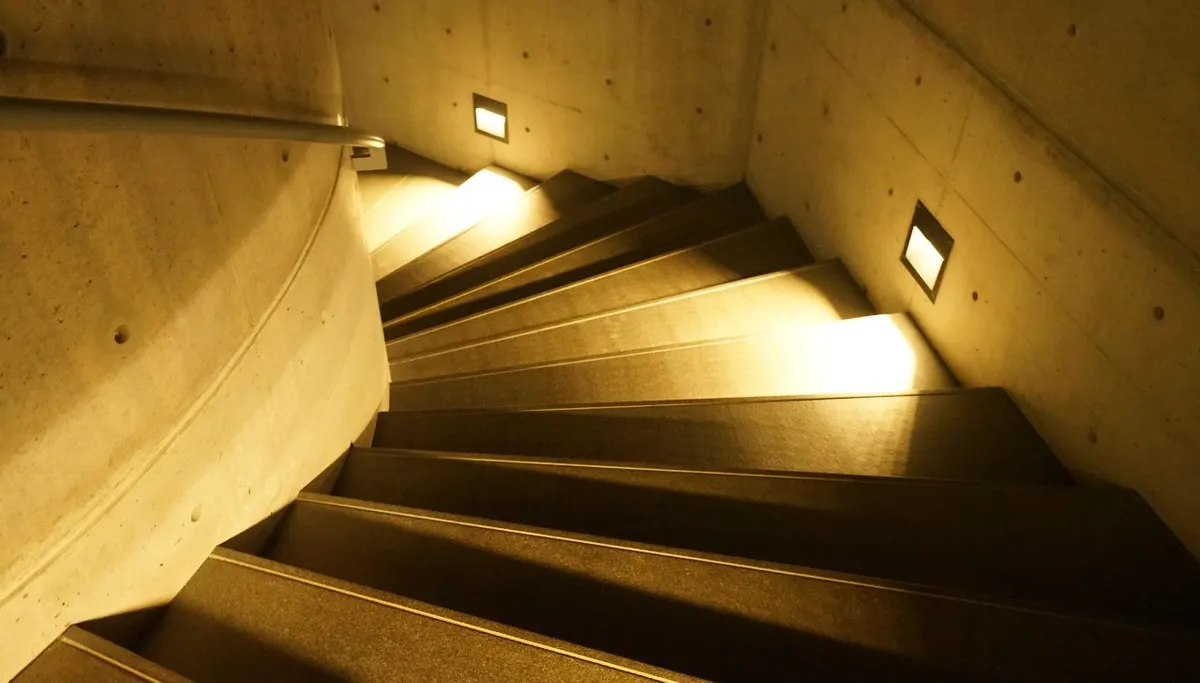
Best LED Lights for Stairs: 4 Picks for Safety & Style
Best LED lights for stairs: motion-sensor strips, cascading kits, recessed and solar step lights. Compare 4 picks, indoor and outdoor.
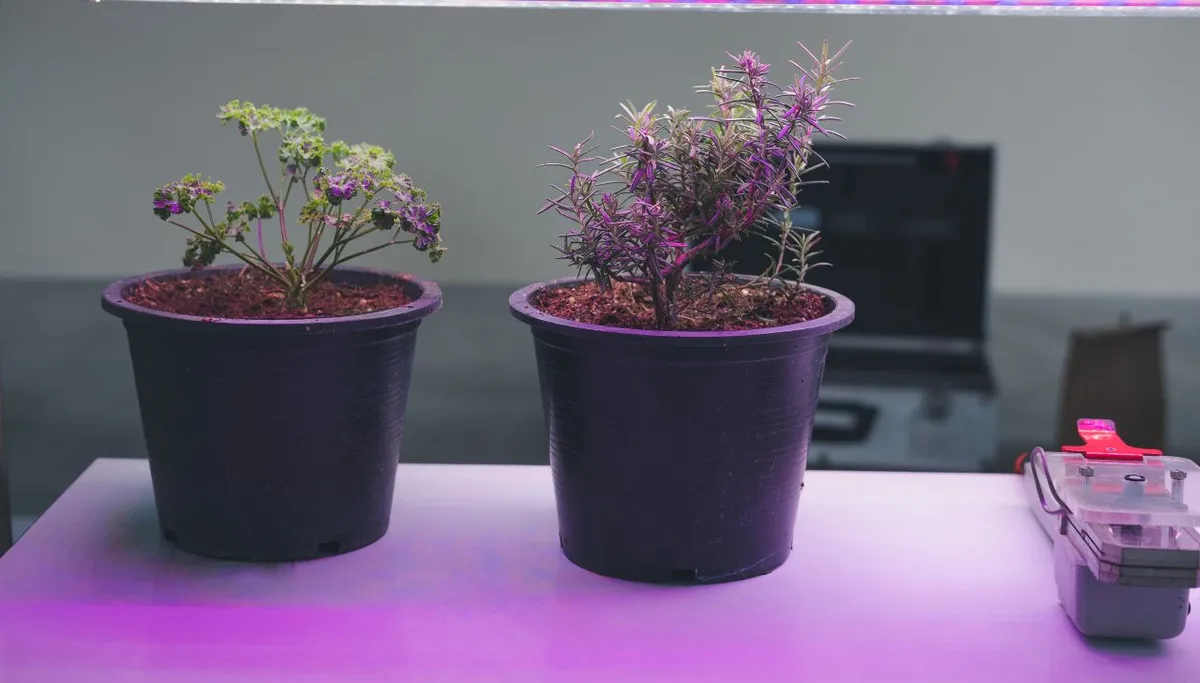
Do LED Grow Lights Use a Lot of Electricity?
Do LED grow lights use a lot of electricity? Most cost just $1-7 a month. Calculate your exact running cost and compare LED vs HPS.
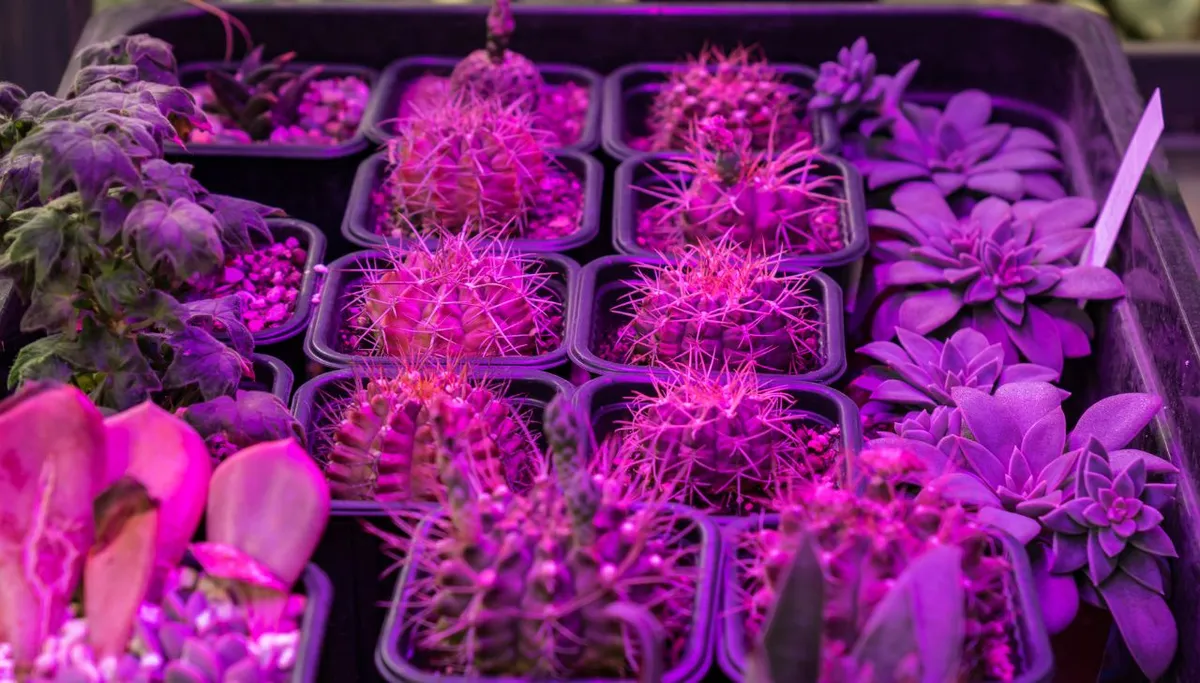
Best Grow Lights for Succulents: Compact & Colorful
Best grow lights for succulents to stop stretching and keep colors vivid. Compare 5 picks by setup and budget, from $10 clips to panels.
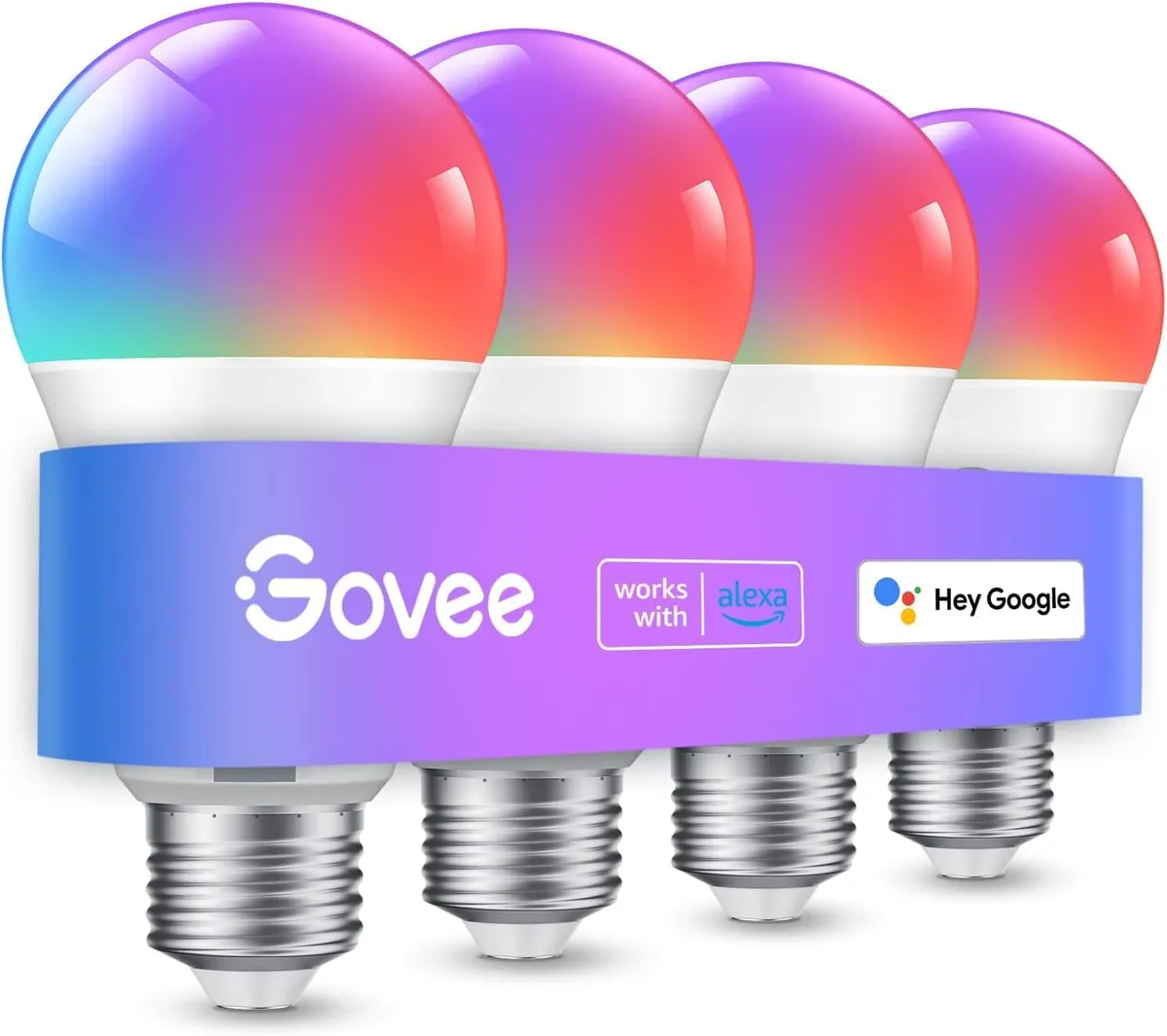
Govee A19 Smart LED Light Bulb Review: 4 Bulbs Under $30?
Govee A19 smart LED light bulb review: 800 lumens, 16M colors, music sync, Alexa, Google & Siri, no hub. 4 bulbs for $28.99 - worth it?
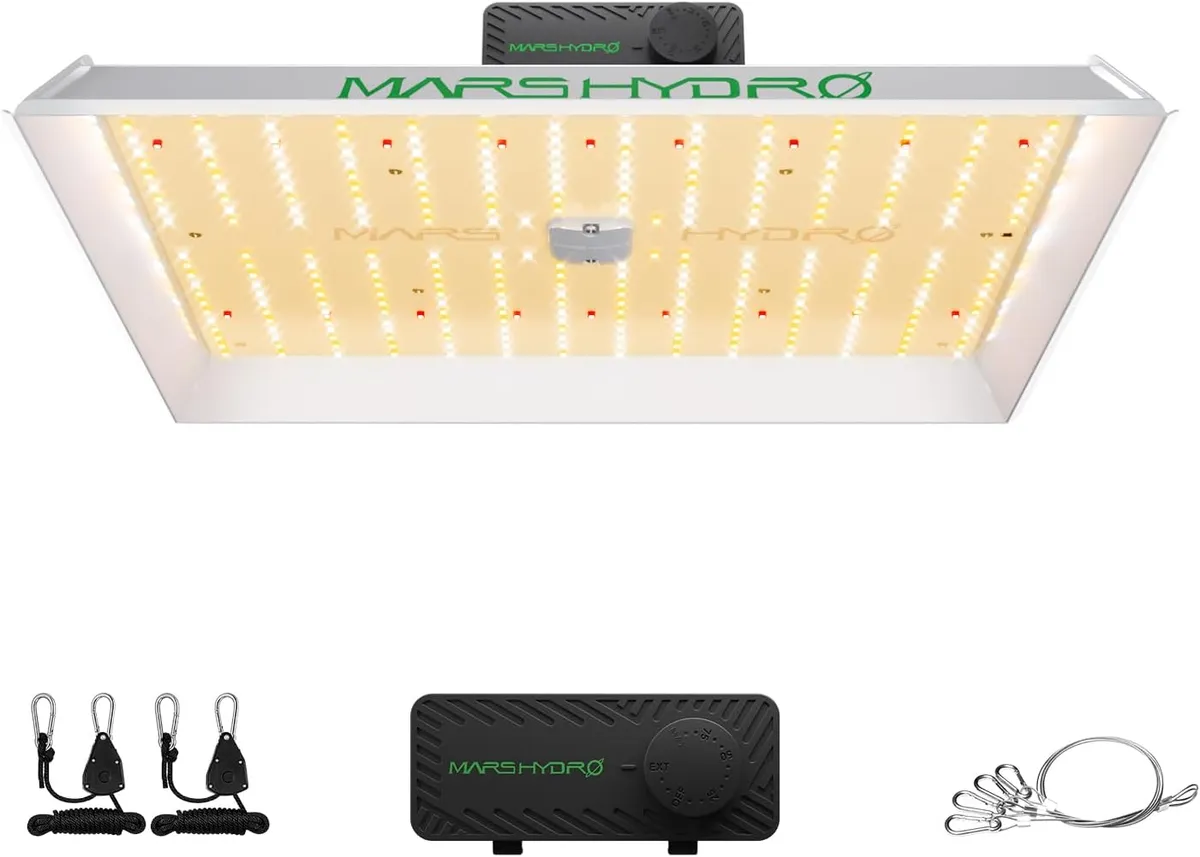
Mars Hydro TS1000 Review: Best Beginner Grow Light?
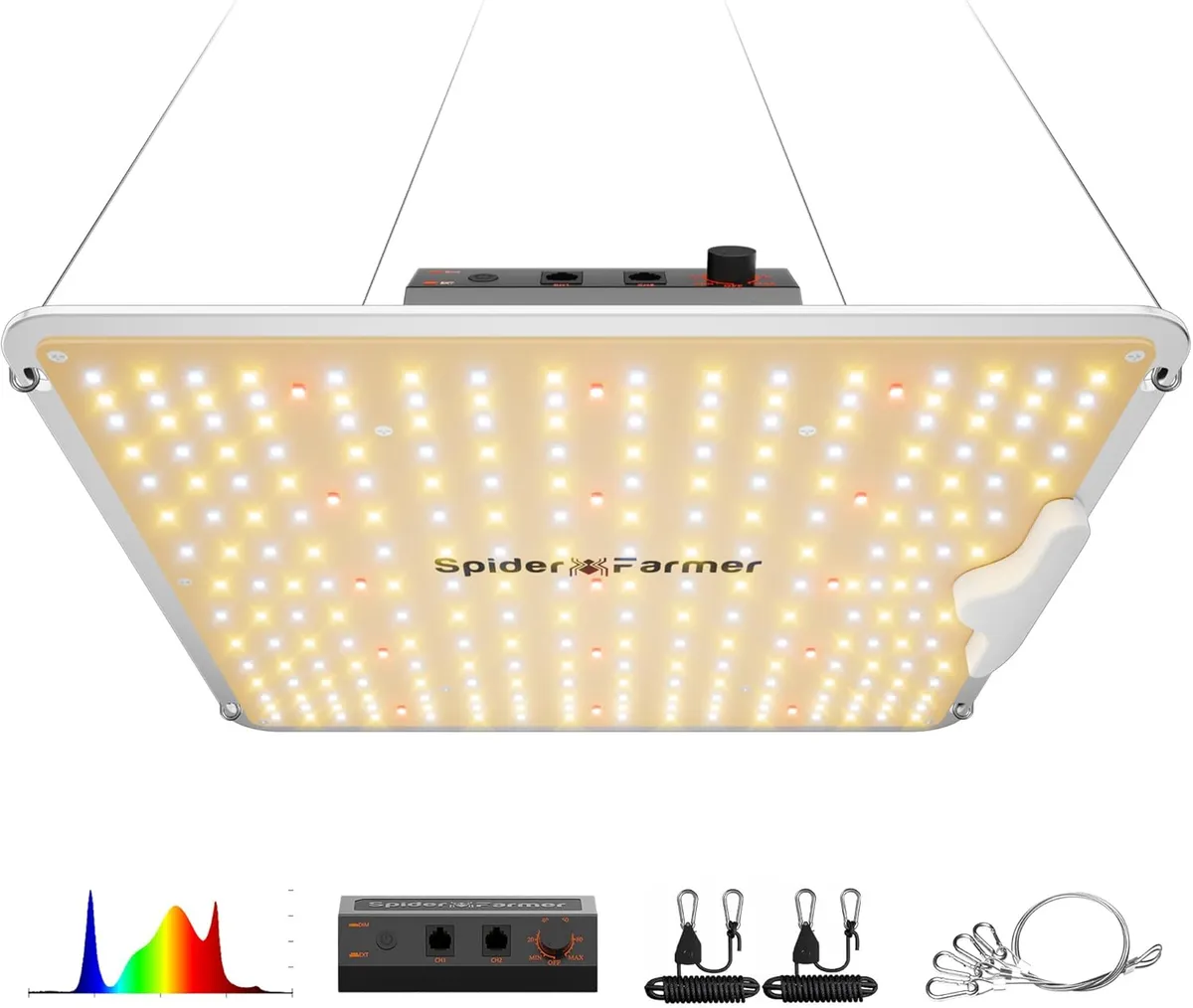
Spider Farmer SF1000 Review: Best 100W 2x2 Grow Light?
Spider Farmer SF1000 review: 100W full spectrum, dimmable, silent fanless, 5-year warranty. Best 2x2 grow light for ~$70? Full breakdown.

LED Lights vs CFL: Complete Comparison
LED vs CFL: LEDs use less energy, last 3-5x longer, contain no mercury, light up instantly, and dim better. CFL's only old edge - price - is now gone too.
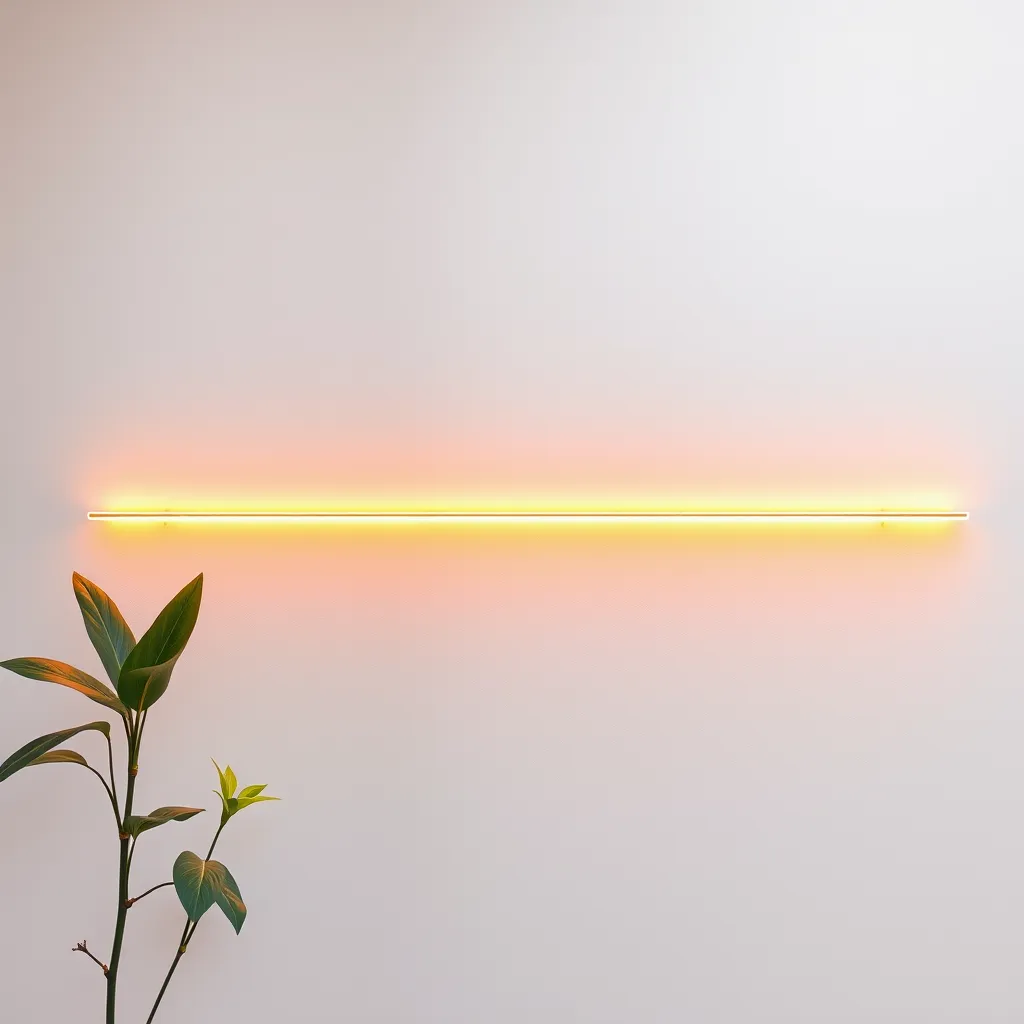
How to Make Rose Gold on LED Lights (Without the Muddy Pink)
To make rose gold on LED lights: set a warm pink (RGB 255,160,150 / #FFA096), dim to about 50%, and diffuse it for a soft, coppery-pink glow.
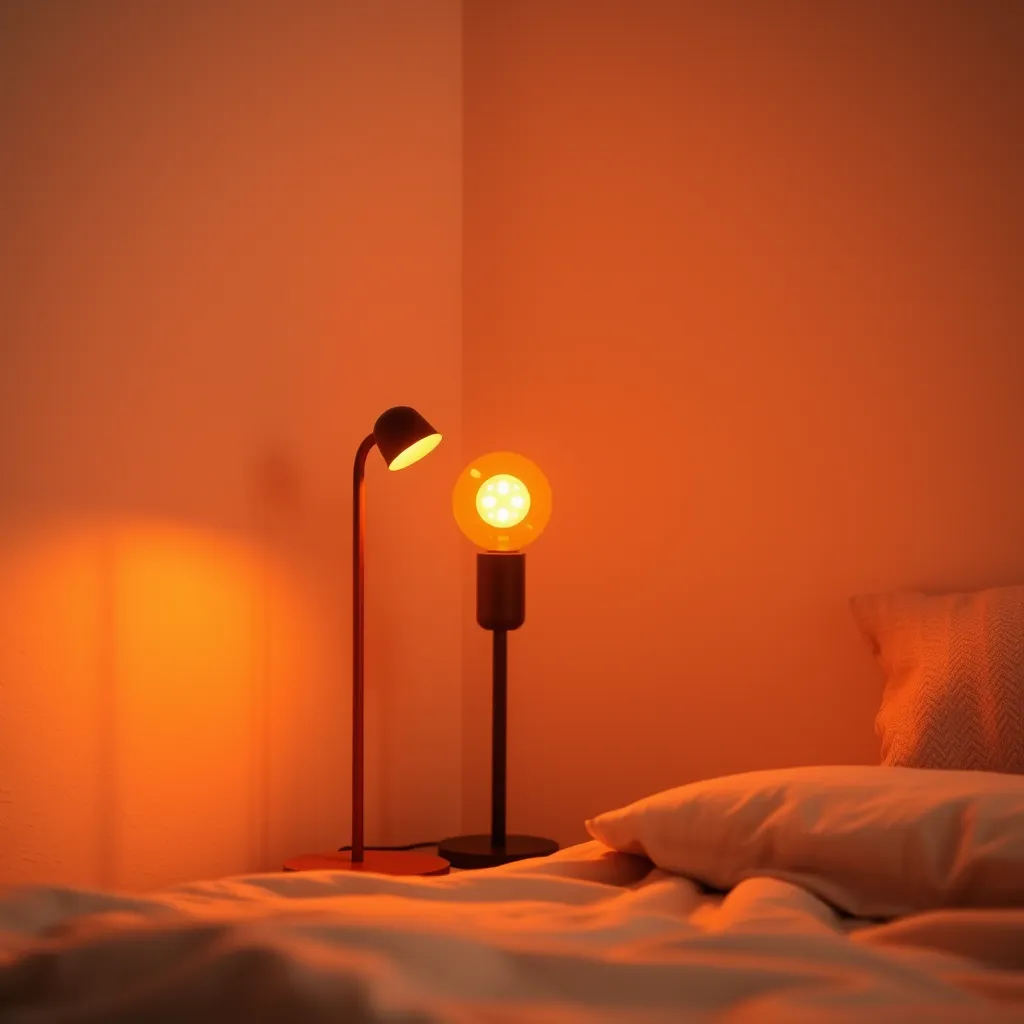
How to Make Golden Hour on LED Lights
How to make golden hour on LED lights: set a warm 2,700K (or RGB 241,180,87), dim to 30-50%, diffuse it, and angle it low. Full step-by-step guide inside.
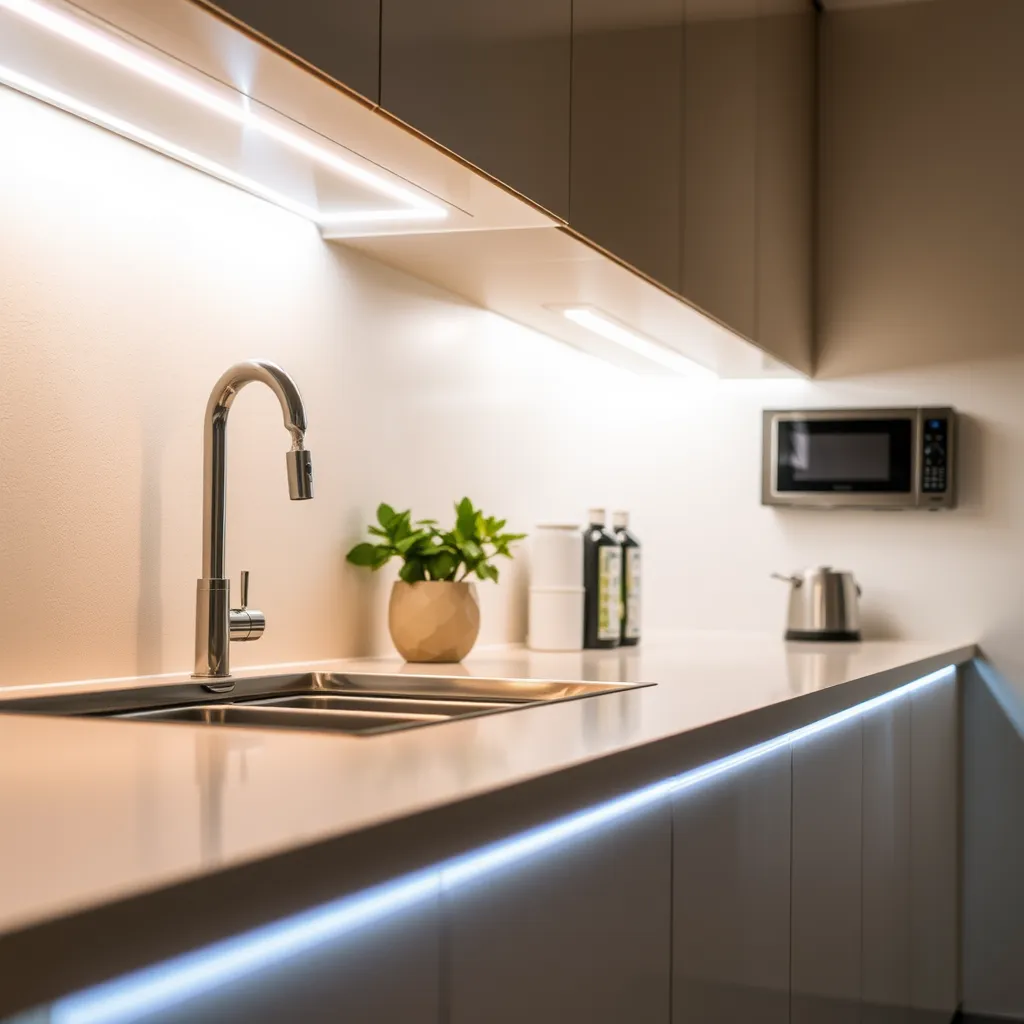
LED Strip Lights: 12V vs 24V - Which Should You Choose?
12V vs 24V LED strip lights - which should you choose? Compare voltage drop, run length, cost, and wiring to pick the right strip for your install.
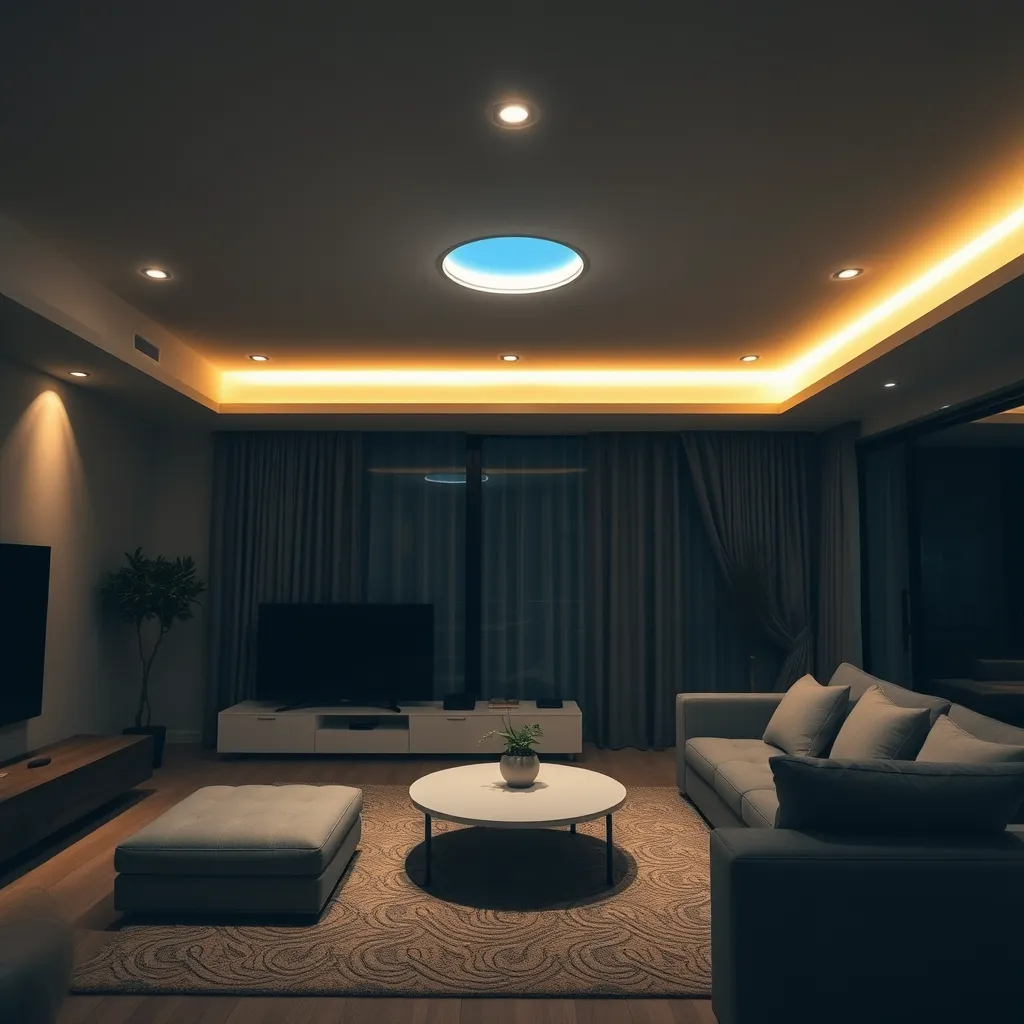
Why Do My LED Lights Turn On by Themselves
LED lights glowing when off? Learn why phantom current, smart switches & ghost voltage cause it-plus simple fixes to stop the glow.
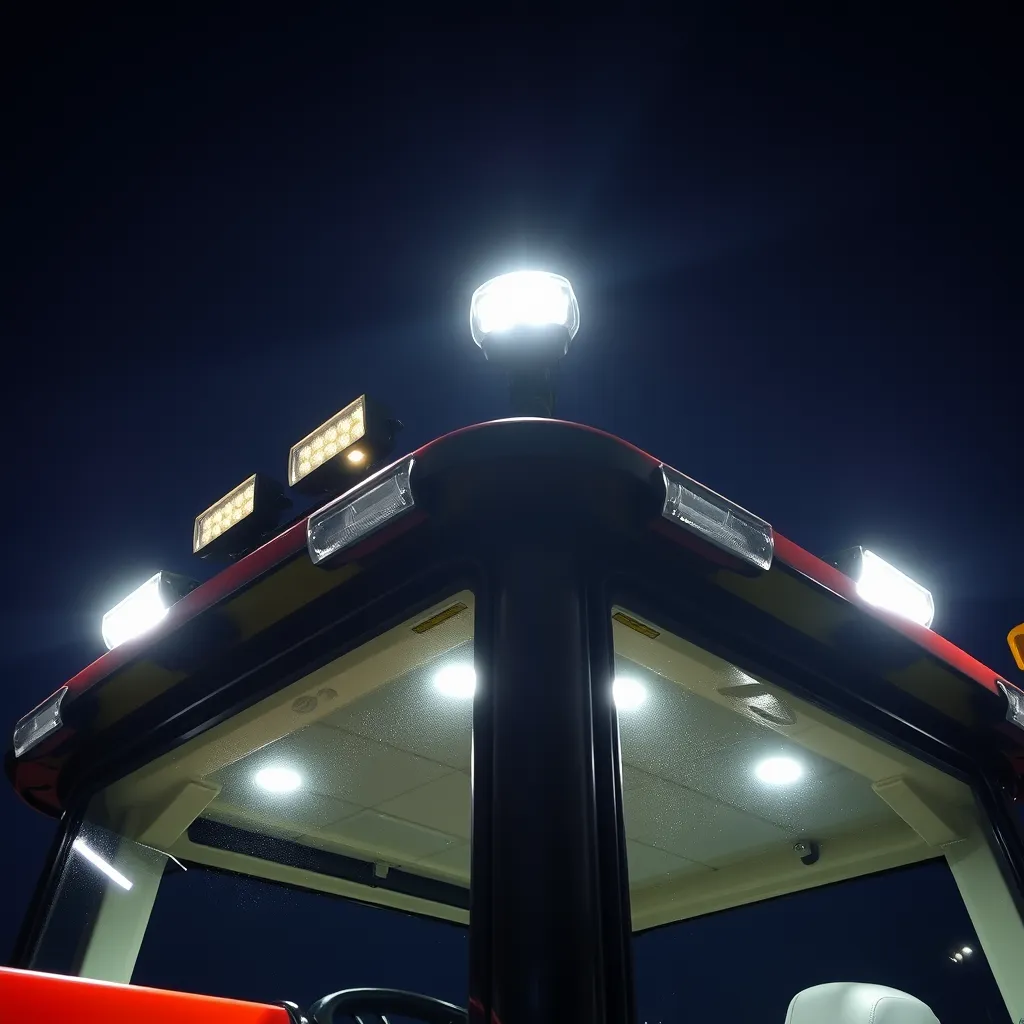
Best LED Tractor Lights
Best LED tractor lights: Nilight, Rigid, Hella & Grote. Flood/spot/combo pods, up to 3,500 lm, IP68/IP6K9K, Deutsch-sealed, vibration-proof.

Laser Light vs LED Light: Key Differences
LED vs laser: how they generate light, key differences in coherence and power, plus uses in lighting, fiber optics, medicine, and more.
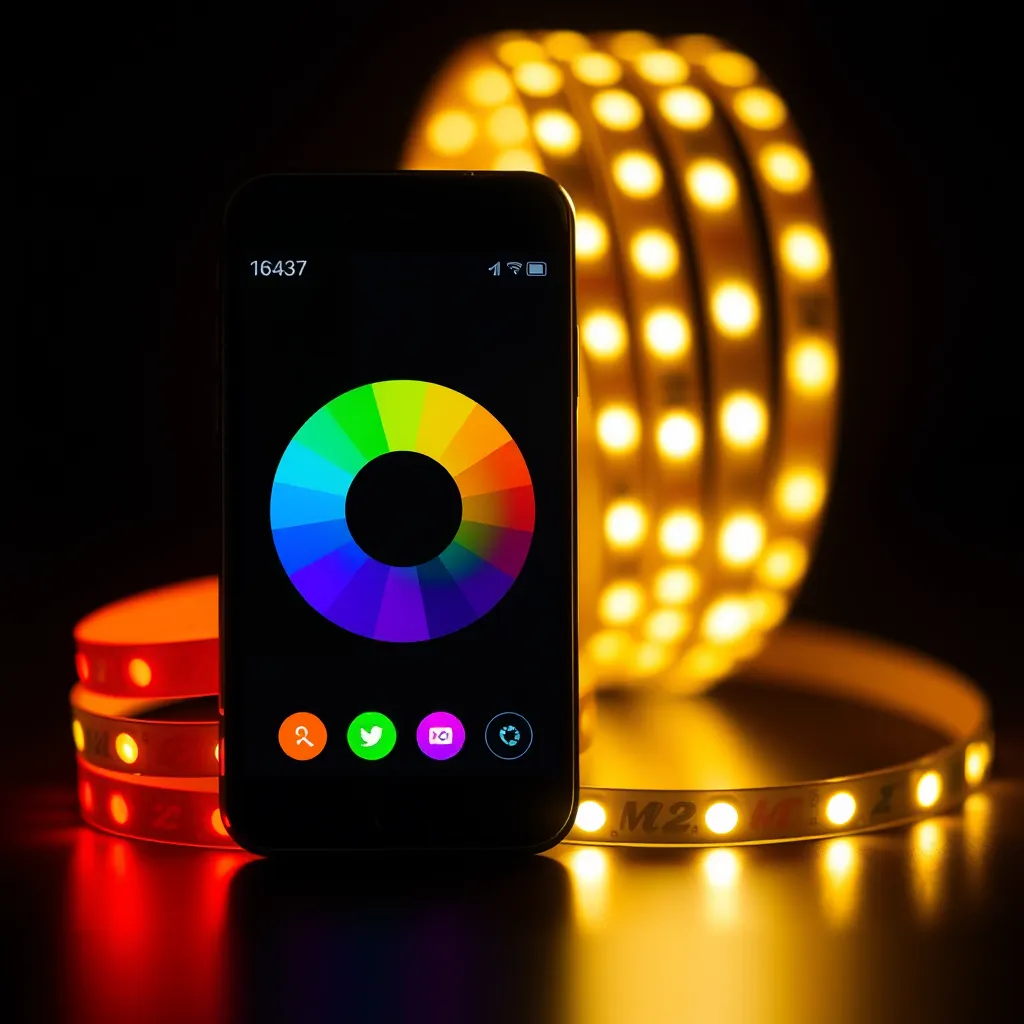
How to Connect Lotus Lantern LED Lights
Connect Lotus Lantern LED lights by downloading the app, plugging in the controller, connecting to WiFi (2.4GHz only), and pairing via Bluetooth. Full setup and troubleshooting guide.

LED Lights vs HPS - LedLightsGeek
HPS vs LED lighting compared: efficiency, lifespan, color quality, heat, and ROI. See why LED is the smarter long-term choice for any facility.
Best LED Grow Light for 4x4 Tent
The 5 best LED grow lights for a 4x4 tent - compare value, budget, premium & max-yield picks with specs, PPFD, prices & coverage buying tips.
Best LED Lights For Bedroom - LedLightsGeek
5 best LED lights for bedroom in 2026: top smart bulbs, RGBIC strips, ceiling lights & sunrise alarms compared. Better sleep starts now.
Best LED Strobe Lights for Plowing
The best amber LED strobe lights for plowing, compared: top picks for brightness, weatherproofing, and value across every budget.

Neon vs LED Lights: Complete Comparison
Compare glass neon vs LED neon flex - voltage, durability, dimming, and aesthetics-to choose the right lighting for your sign or space.
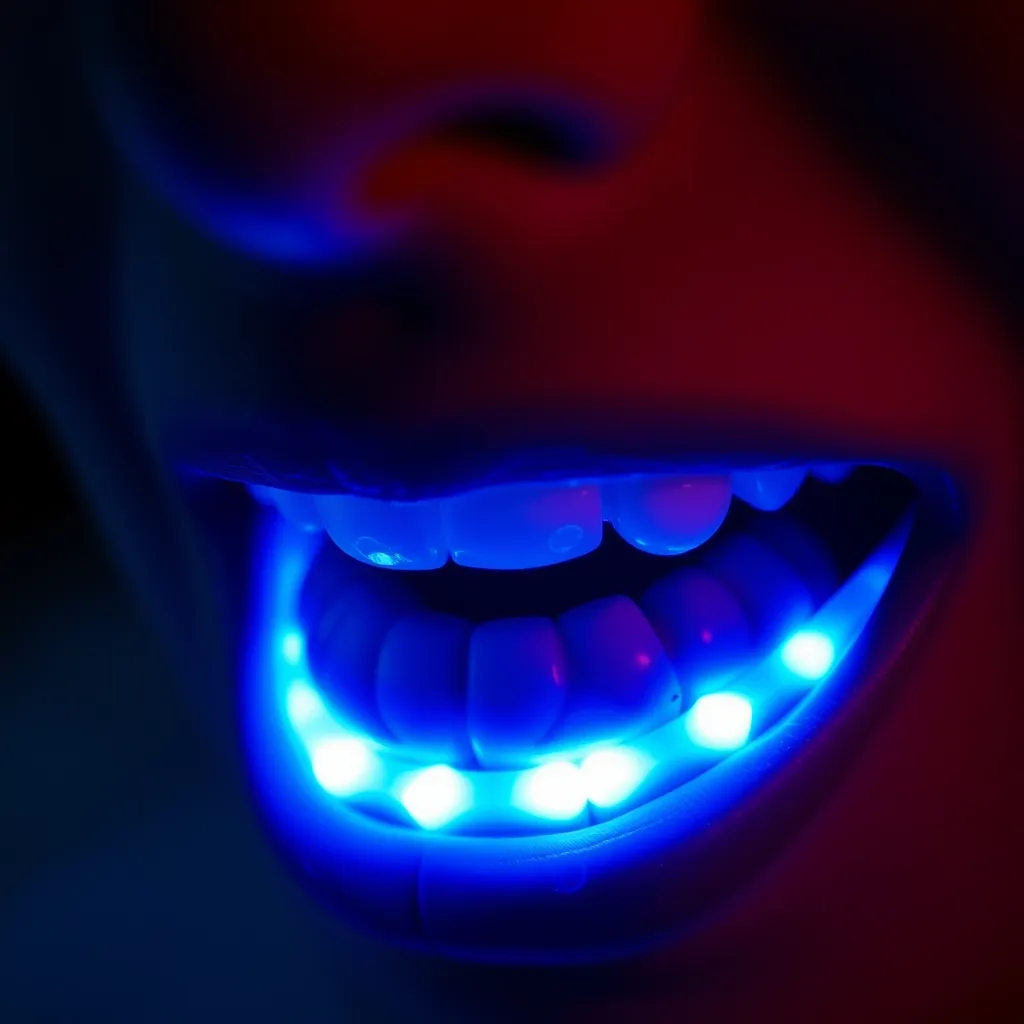
What Does LED Light Do In Teeth Whitening?
Discover what LED light does in teeth whitening - how blue wavelengths activate peroxide gels to break down stains faster and safely.
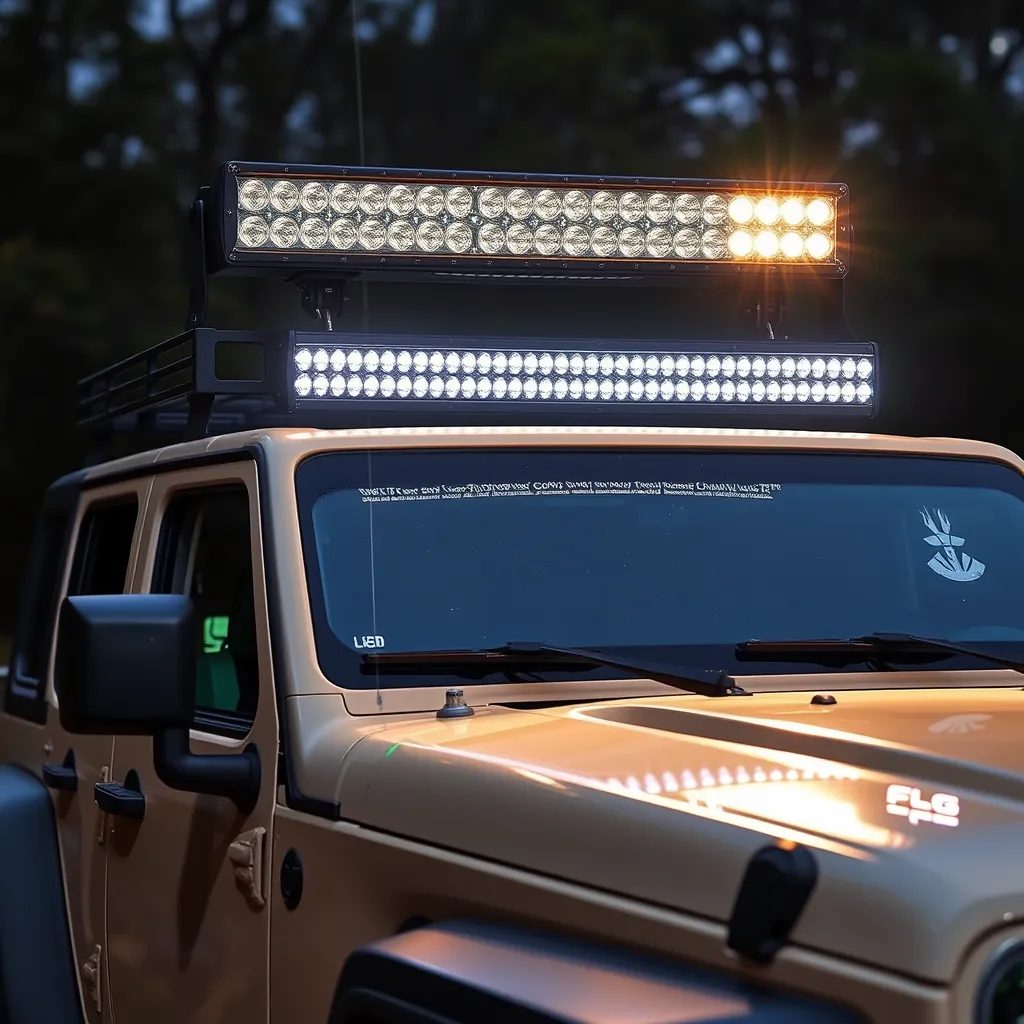
How to Install a LED Light Bar
Step-by-step guide to installing a LED light bar: wiring, relays, mounting, and sealing for safe, reliable off-road performance.
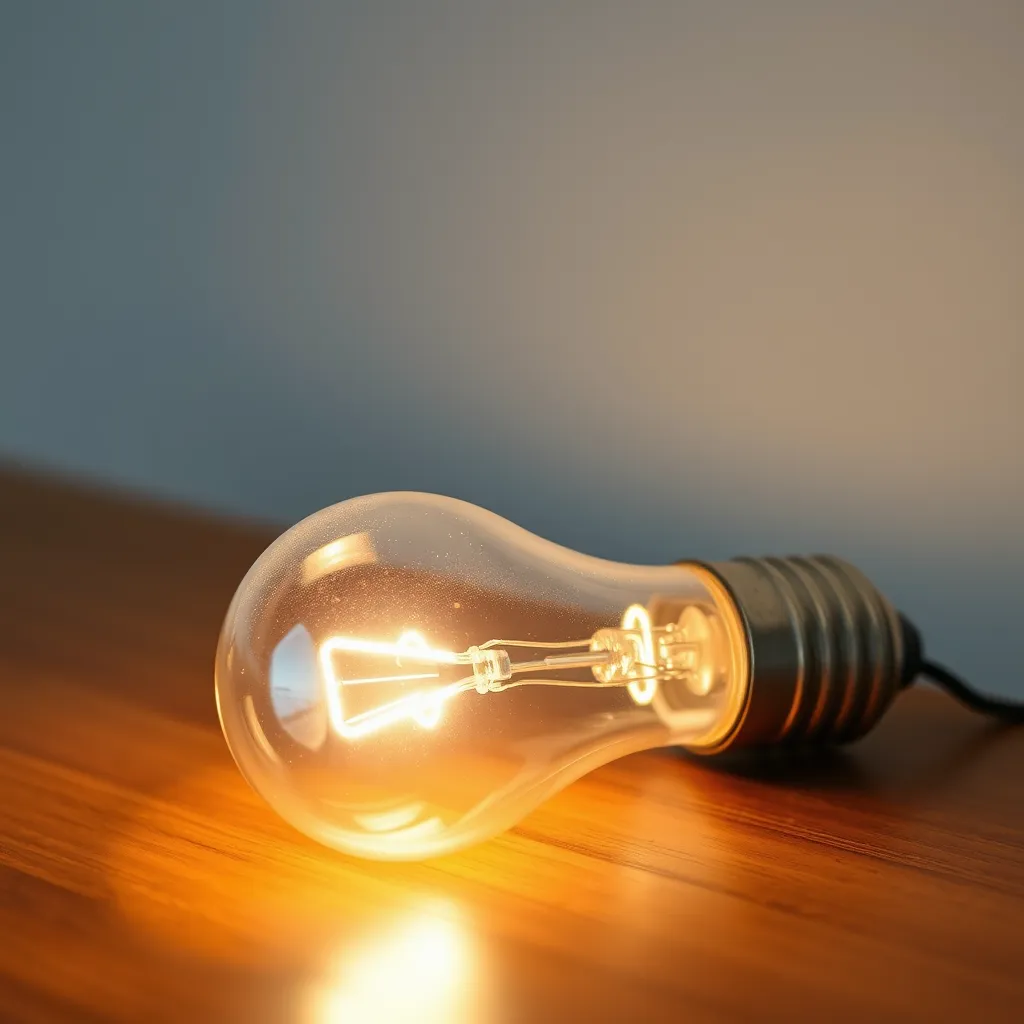
Best Quality Led Lights - LedLightsGeek
Top quality LED bulbs reviewed: Philips Hue, Kasa Smart, Amazon Basics, GE Reveal & Sunco. Compare lumens, price & features in one guide.
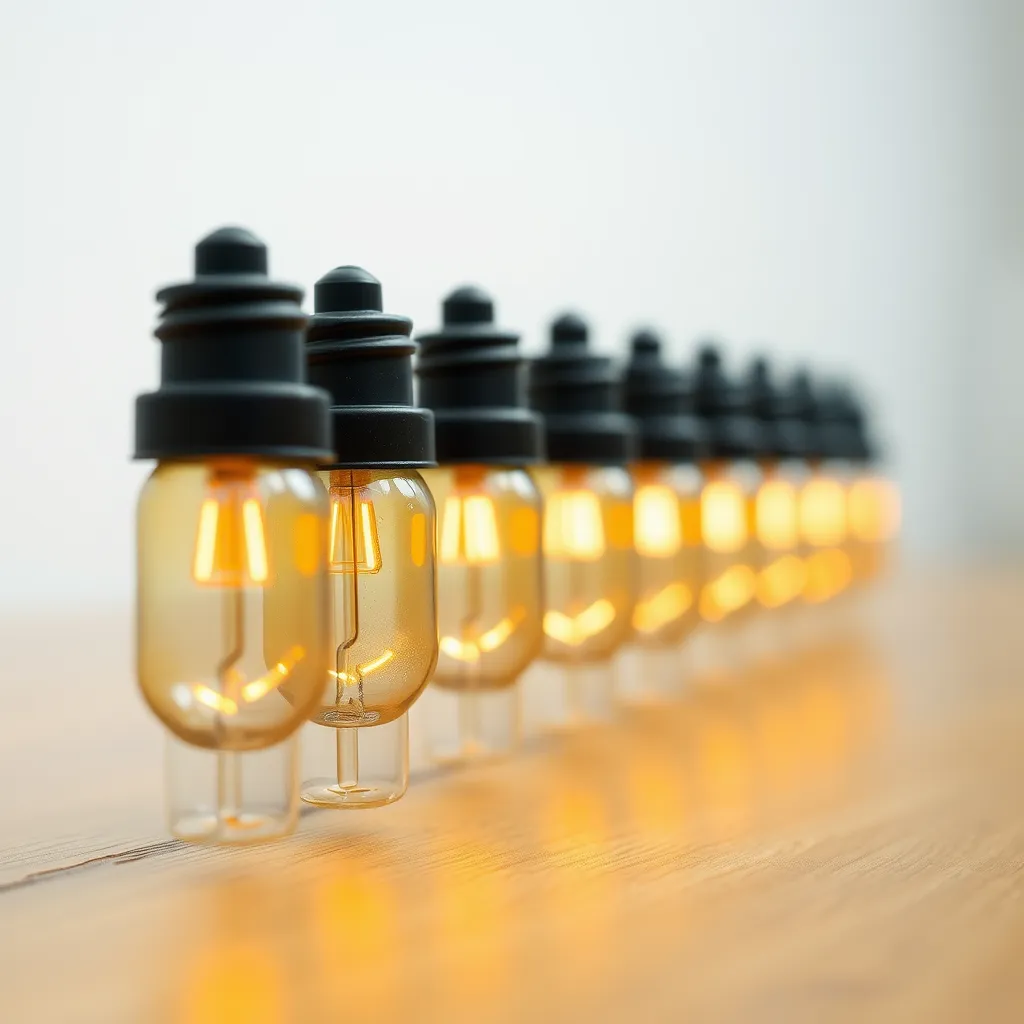
What Is the Lowest Watt LED Light Bulb
Discover the lowest watt LED light bulbs from 0.5W to 4W. Compare lumens, bases, and uses to pick the right energy-efficient bulb for any space.
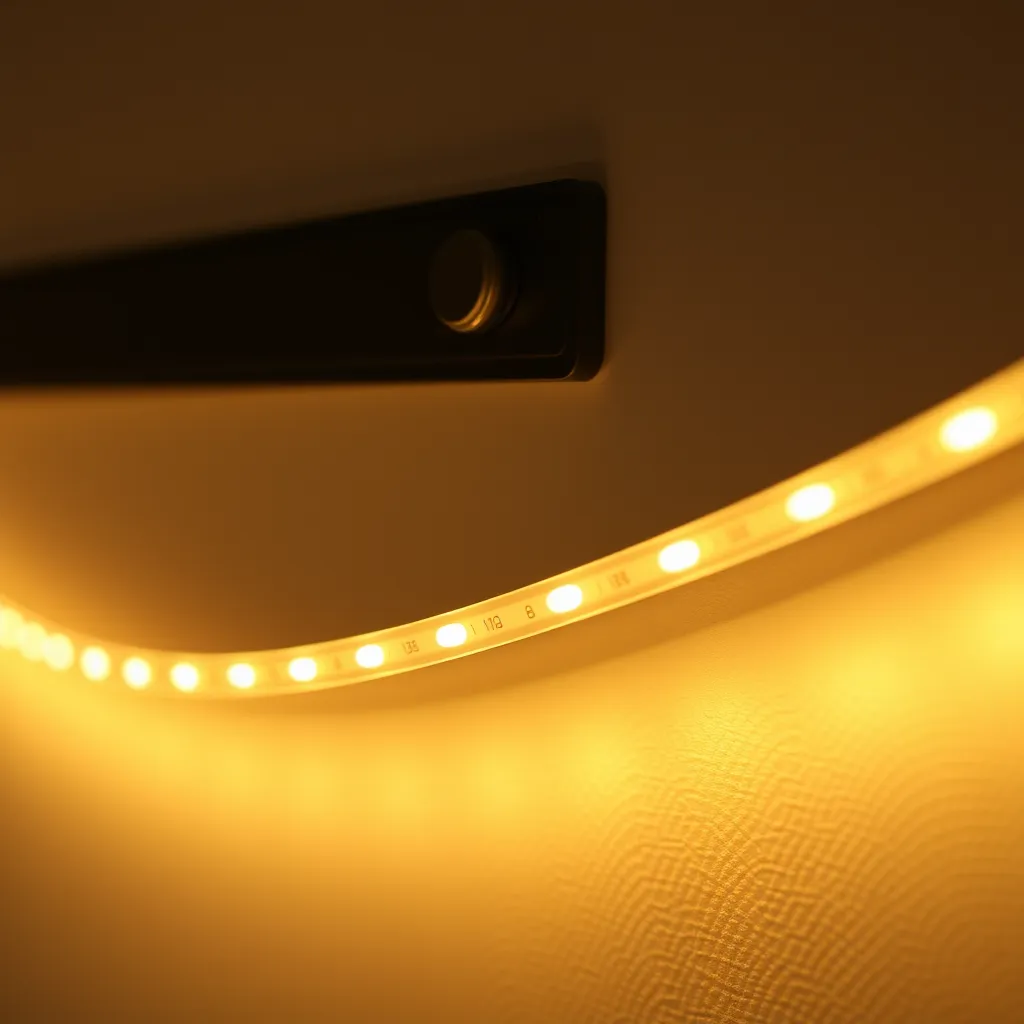
How To Get LED Lights To Stick To Wall
The frustration of finding a pile of tangled LED strips on the floor a few days after installation is a common experience for many DIY enthusiasts. While most flexible light strips come with a pre-applied adhesive backing, the factory tape is often the bare minimum required for temporary placement. Achieving a permanent, professional-grade bond requires an understanding of surface tension, adhesive chemistry, and mechanical reinforcement. Most consumer-grade light strips utilize a pressure-sensitive adhesive (PSA). Unlike liquid glues that dry and harden, PSAs remain "tacky" and rely on physical pressure to create a bond with the microscopic pores of a surface. When these lights fail, it is rarely because the glue "dried out." Instead, it is usually due to surface contamination, improper curing, or environmental factors like heat and gravity overcoming the adhesive's shear strength. The Science Behind Adhesive Failure To ensure your lighting stays in place, you must first identify the forces working against it. Gravity is the most obvious culprit, but several invisible factors contribute to a failing installation. Surface Energy: Different materials have different "surface energy." Glass and metal have high surface energy, meaning the adhesive spreads and bonds easily. Plastics and certain "scrubbable" paints have low surface energy, causing the adhesive to bead up rather than stick. Outgassing: New paint can release gases for up to 30 days after application. These gases can chemically break down the adhesive bond from behind, causing the strip to peel away even if the surface feels dry to the touch. Thermal Cycling: LED chips generate heat. While 12V or 24V strips are efficient, the circuit board (PCB) still warms up. This heat softens the adhesive, making it more prone to "creep"-a slow sliding motion caused by the weight of the strip. Dust and Oils: Microscopic skin oils or household dust act as a barrier. If the adhesive touches dust before the wall, it bonds to the dust particles instead of the mounting surface. Preparing the Mounting Surface Preparation is 90% of the work. If the wall isn't chemically clean, no amount of pressure will make the lights stay up long-term. Avoid using standard household glass cleaners or multi-surface sprays. These products often contain silicone, waxes, or fragrances that leave a thin film behind, which acts as a release agent for the adhesive. The gold standard for preparation is 90% or higher Isopropyl Alcohol. Higher concentrations are preferred over the common 70% variety because they contain less water and evaporate faster, leaving zero residue. Wipe the area thoroughly using a lint-free microfiber cloth. If the cloth comes away gray or brown, repeat the process until the surface is pristine. Allow the area to air dry for at least five minutes before proceeding. Temperature also plays a critical role. Most adhesives require an application temperature between 60°F and 80°F (15°C - 27°C). If the wall is too cold, the adhesive becomes brittle and won't flow into the surface pores. If it is too hot, the adhesive may become too fluid to hold its own weight during the initial tack. Installation Mechanics for a Lasting Bond The "pressure" in pressure-sensitive adhesive is not a suggestion. To get LED lights to stick to wall surfaces effectively, you must apply firm, consistent force across every inch of the strip. Simply running a finger lightly over the tape is insufficient. Work in small increments of 6 to 12 inches. Peel back a small section of the paper backing, align it carefully, and press down. Use your thumb to apply heavy pressure for at least 10 to 15 seconds on each section. For the best results, use a small rubber wallpaper roller to apply even pressure across the entire length of the strip. This ensures that the adhesive is forced into the texture of the drywall. Avoid "over-stretching" the strip during installation. LED strips are flexible, but pulling them tight creates internal tension. Over time, the strip will try to contract to its original length, creating a constant pulling force on the ends that will eventually cause them to pop off the wall. Choosing the Right Method for Your Wall Type Not all walls are created equal. A strategy that works on a glass mirror will fail on a textured "orange peel" or "knockdown" drywall. Use the following table to determine if your surface requires additional help beyond the factory tape. Surface Material Texture Level Recommended Mounting Strategy Expected Longevity Glass / Mirror None Factory 3M Adhesive only Excellent Smooth Painted Drywall Low Adhesive + Alcohol Prep Good Textured Drywall Medium/High Adhesive + Mounting Clips Poor without clips Unfinished Wood Porous Staples or Screw-in Clips Very Poor (Adhesive fails) Brick / Concrete Rough Construction Adhesive or Channels Impossible with tape Powder-Coated Metal Varies VHB Tape (Very High Bond) Excellent Advanced Reinforcement Techniques When the factory adhesive isn't enough-especially on ceilings or vertical runs-you need mechanical or chemical reinforcements. These methods ensure that even if the adhesive softens due to heat, the strip remains physically tethered to the wall. Mounting Clips and Brackets Small, translucent plastic clips are the most reliable way to prevent "peel-back." These should be placed every 12 to 18 inches. They are particularly vital at the beginning and end of a run, where the weight of the power cable might pull on the strip. If you are renting and cannot use screws, look for adhesive-backed clips that use 3M Command strips, which are designed for clean removal. 3M VHB Tape If the original adhesive has already failed or been contaminated, do not try to "reactivate" it. Instead, scrape it off and apply 3M VHB (Very High Bond) tape. This is a closed-cell acrylic foam tape that is significantly thicker than the standard "tissue" tape found on cheap LEDs. It conforms to surface irregularities and creates a permanent bond that can often replace mechanical fasteners. It is commonly used in the automotive and construction industries for its sheer strength. Aluminum Channels For the most professional appearance and the longest lifespan, use aluminum LED channels (also known as extrusions). These U-shaped tracks are screwed into the wall, and the LED strip is adhered inside the track. This offers three major benefits: Heat Dissipation: The aluminum acts as a heat sink, drawing warmth away from the LEDs and the adhesive, preventing thermal degradation. Protection: A plastic diffuser cover protects the LEDs from dust and physical damage while softening the light to eliminate "hot spots." Perfect Alignment: It is much easier to mount a rigid metal track in a perfectly straight line than a floppy flexible strip. The Impact of Environment and Heat Environmental factors can significantly degrade adhesive over time. In kitchens, airborne grease can settle on the edges of the strip, slowly wicking underneath and dissolving the bond. In bathrooms, high humidity can cause moisture to penetrate the adhesive layer. If you are installing lights in these areas, look for IP65-rated strips which are coated in silicone. Note that these strips are heavier than non-waterproof ones, making mechanical clips mandatory rather than optional. Furthermore, consider the power draw of your lights. High-density strips (e.g., 120 LEDs per meter) generate significantly more heat than standard density (30 or 60 LEDs per meter). If your strip feels hot to the touch after 30 minutes of use, the adhesive is likely to fail within months unless it is mounted in an aluminum channel or reinforced with high-temperature hot glue dots every few inches. Safe Removal Without Wall Damage Inevitably, you may need to move or replace your lights. Ripping them off the wall will likely take the top layer of drywall paper or paint with it. To remove them safely, use a hair dryer on a medium-heat setting. Move the hair dryer back and forth over a 12-inch section for about 30 seconds. The heat will soften the acrylic polymers in the tape, allowing you to peel it back slowly at a 45-degree angle. If any sticky residue remains, do not scrub it with a dry cloth, as this will only spread the mess. Apply a small amount of citrus-based adhesive remover or more isopropyl alcohol to a rag and let it sit on the residue for a minute before wiping it away. For stubborn spots on non-porous surfaces, a plastic scraper or an old credit card can be used to gently lift the softened glue. Conclusion: Keeping LED strips firmly mounted is less about the lights themselves and more about respecting the chemistry and physics behind the adhesive. The factory tape on most strips is only a starting point - its success depends entirely on how well you prepare the surface, how much pressure you apply, and whether the wall material is suited to a pressure-sensitive bond in the first place. The key takeaways are straightforward: clean every mounting surface with 90%+ isopropyl alcohol, apply firm and sustained pressure during installation, and match your mounting method to your wall type. Smooth, non-porous surfaces will hold with adhesive alone, but textured drywall, ceilings, humid environments, and high-density strips almost always require reinforcement through mounting clips, VHB tape, or aluminum channels. Ultimately, a "permanent" LED installation is a system, not a single product. By combining proper surface prep, correct application technique, and the right mechanical backup for your environment, you can transform LED strips from a temporary novelty into a clean, lasting feature of your space - and avoid the all-too-familiar disappointment of finding them in a tangled heap on the floor. Frequently Asked Questions Q1: Can I use hot glue to keep my LED strips up? A: Yes, but with caution. Use a low-temperature glue gun to avoid damaging the delicate circuitry or melting the waterproof coating of the strip. Apply small dots of glue every 6 inches along the side of the strip rather than directly underneath it. This provides a "mechanical" bridge between the strip and the wall without interfering with the primary adhesive bond. Q2: How long should I wait before turning the lights on? A: Adhesive bonds improve over time. While the strip may feel secure immediately, it typically takes 24 hours for the bond to reach 90% strength and up to 72 hours for a full cure. It is best to keep the lights off during the first 24 hours to prevent heat from softening the adhesive before it has fully "wetted" the surface. Q3: Will LED strips stick to a popcorn ceiling? A: No. The surface area on a popcorn or highly textured ceiling is too small for the adhesive to grab. For these surfaces, you must use screw-in mounting clips or install a flat wooden or plastic trim piece first to provide a smooth mounting surface for the lights.
How To Hardwire LED Strip Lights
Learn how to hardwire LED strip lights, including driver sizing, 12V vs 24V, dimmer compatibility, and NEC code compliance for a clean install.
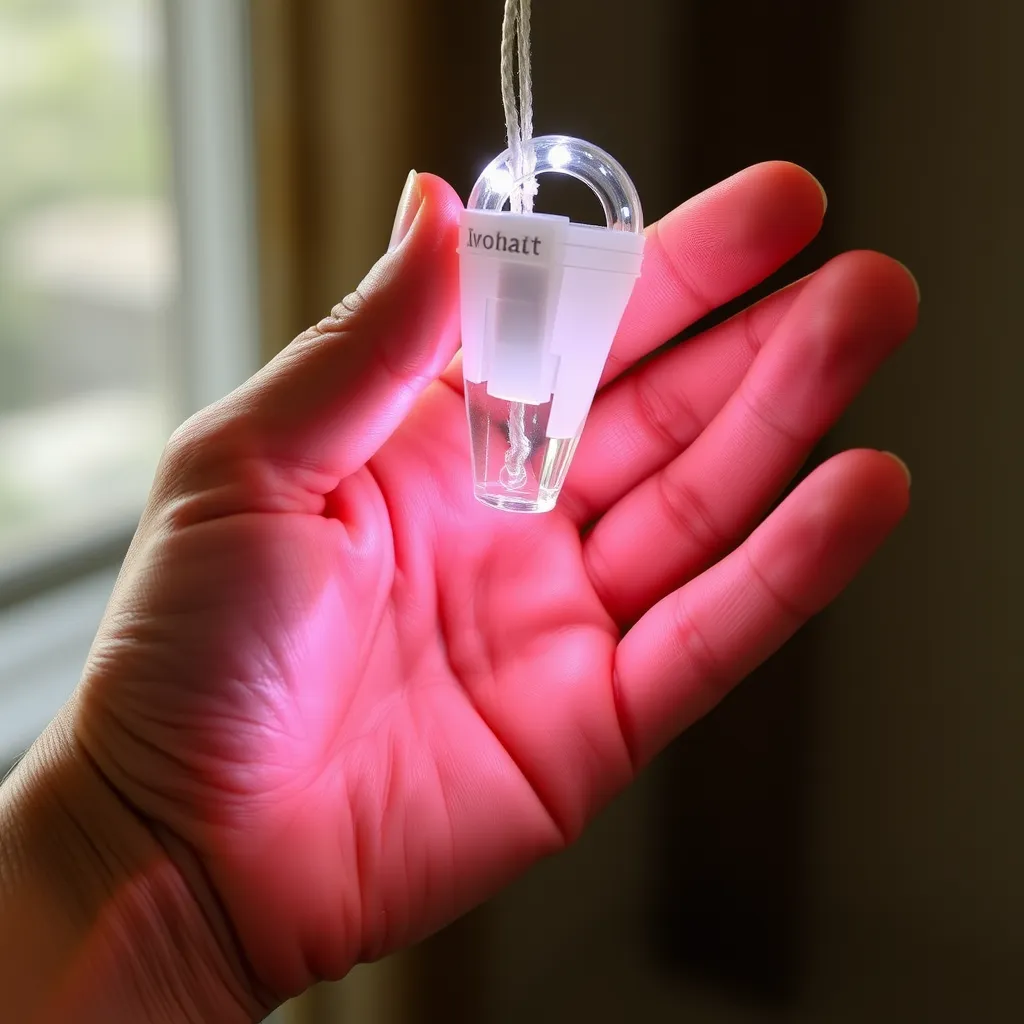
How To Hang LED Rope Lights
How to hang LED rope lights with clips, adhesive hooks, cable ties, or tracks-indoor & outdoor steps for ceilings, walls, decks & railings.
How To Replace LED Pool Light
Replace an LED pool light without draining: pull the fixture, disconnect, install the new LED, test the watertight seal, and reseat safely.
Best Under Counter LED Lights - LedLightsGeek
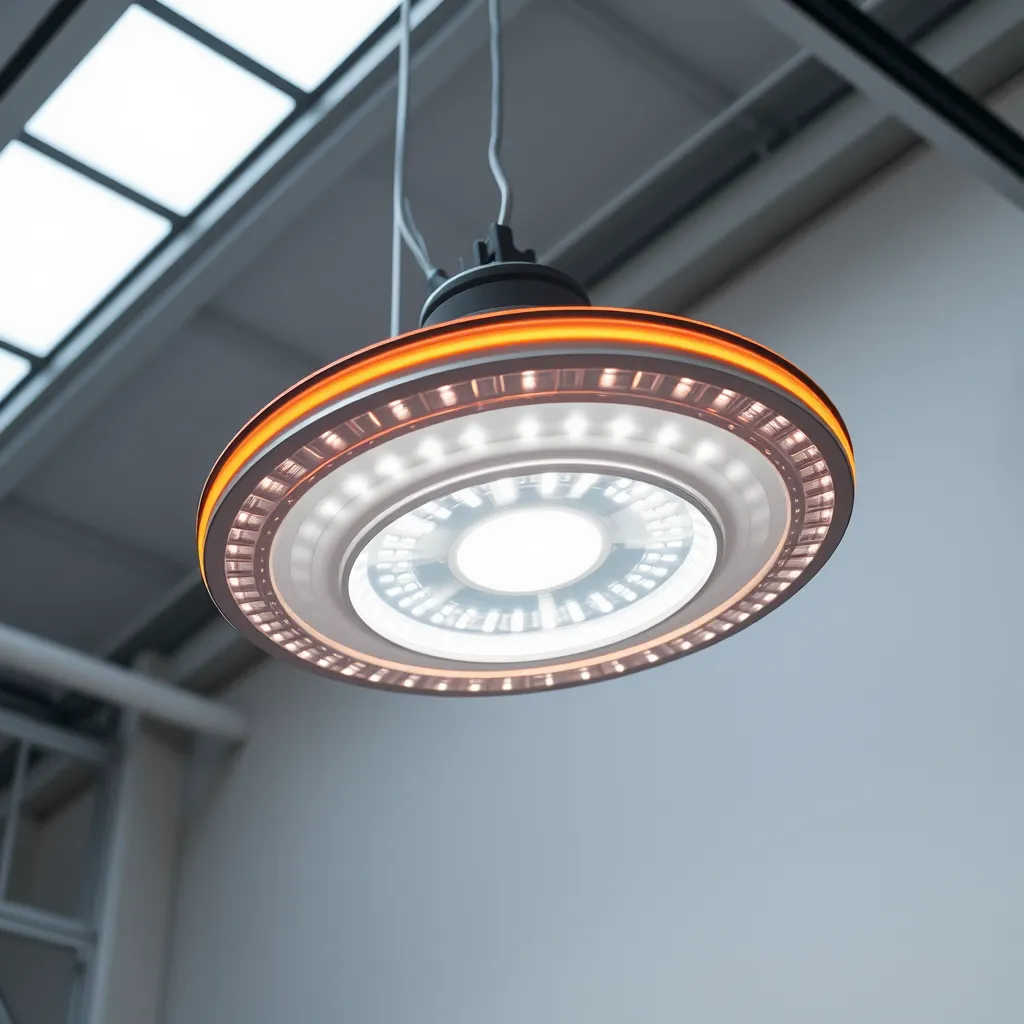
Best LED warehouse lights of 2026, compared. From a 38,400-lumen powerhouse to a 24,000-lumen fixture under $30 - find the right high bay for your space.
How to Stick LED Strip Lights on Wood
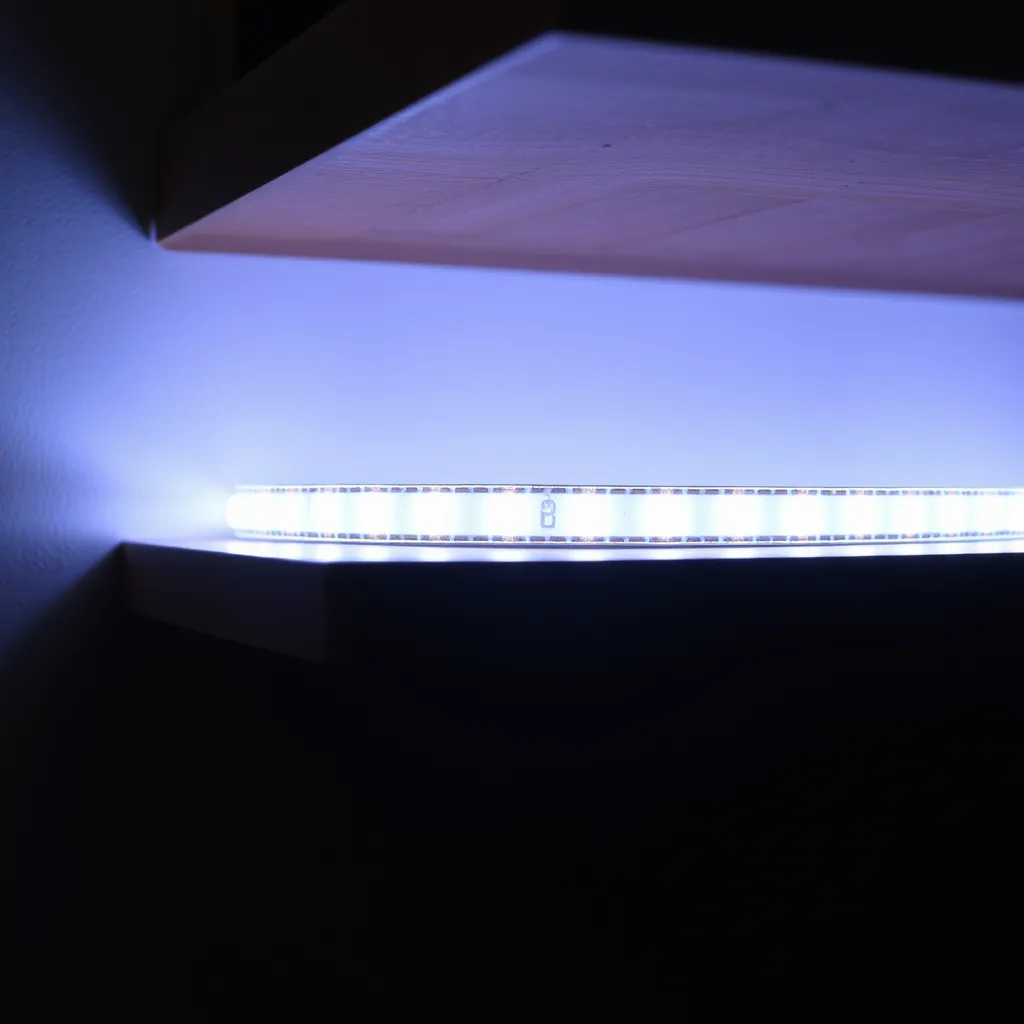
Stick LED strip lights on wood by sanding and cleaning the surface, using 3M VHB tape or staples for raw wood, and aluminum channels for the most permanent installation.
Sodium Lighting vs LED: Full Comparison
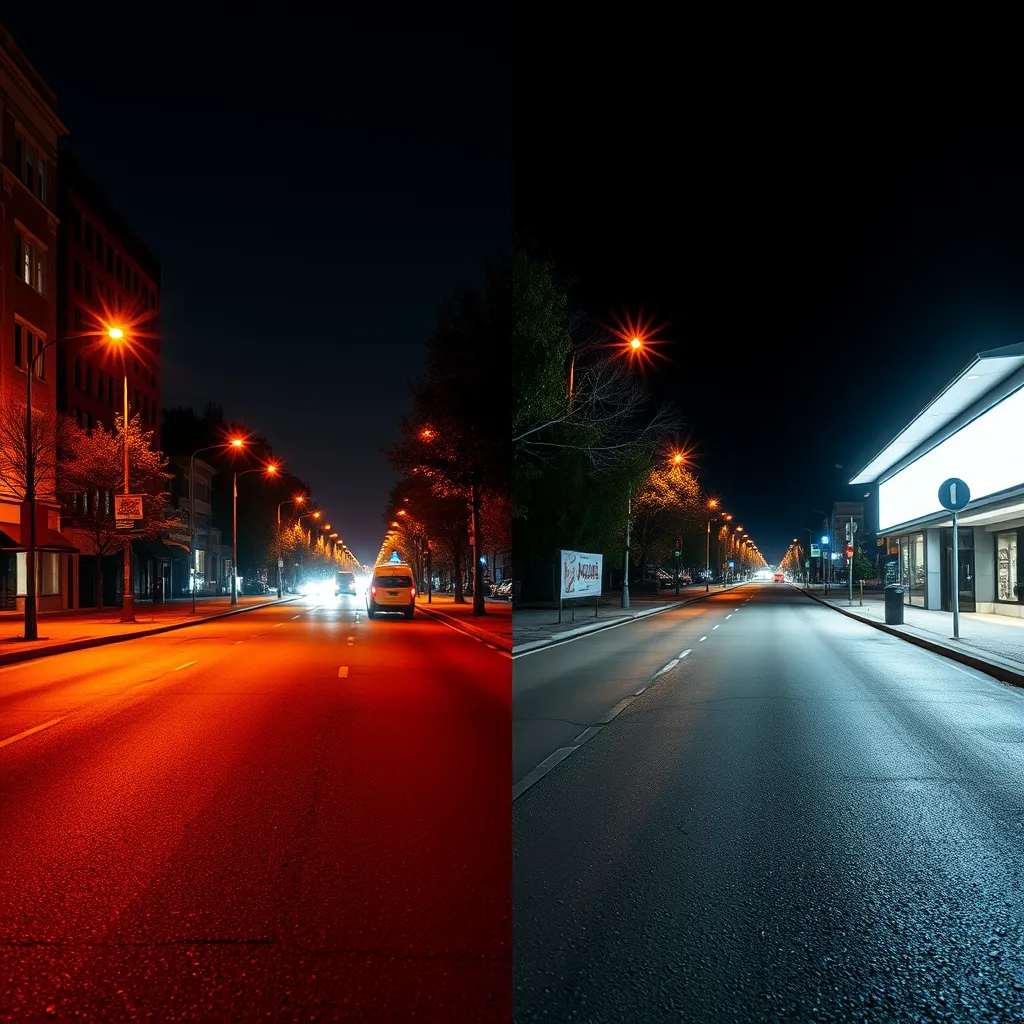
LEDs vs HPS street lights: 50-70% more efficient, 3x longer lifespan, better color rendering, and reduced light pollution. Full guide.
LED Lights Daylight vs Soft White
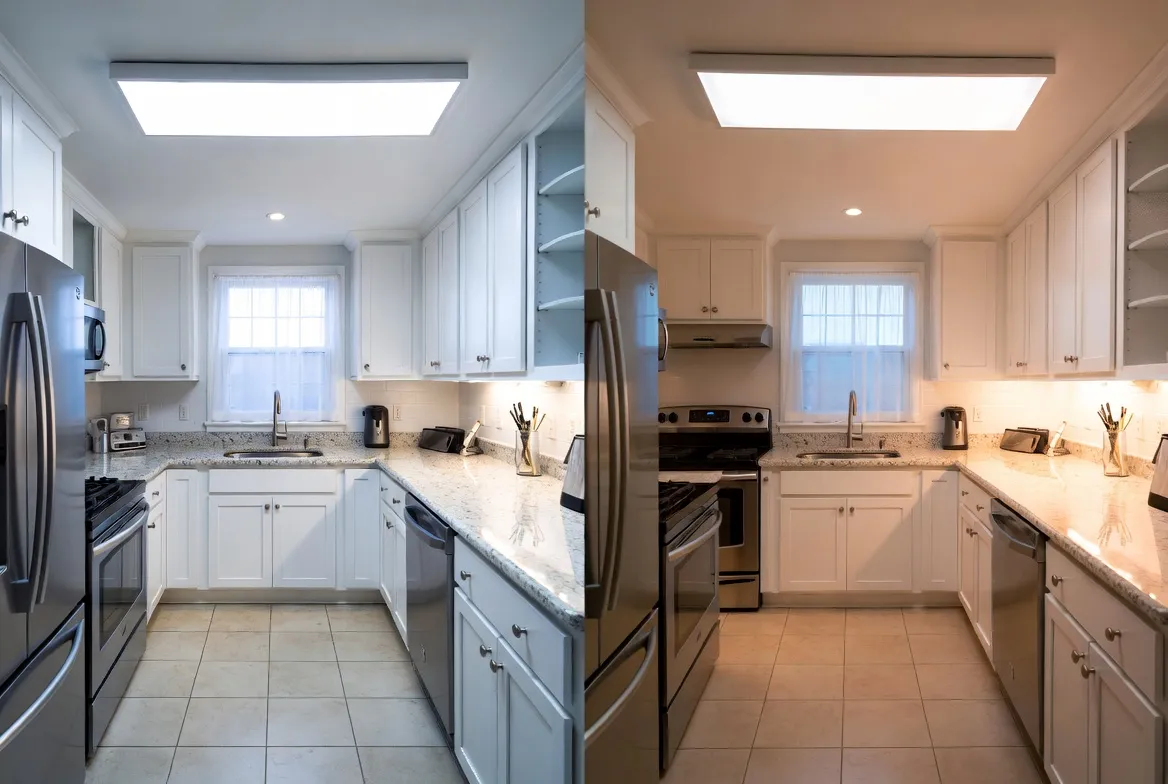
Daylight LED (5000K) is bright, blue-white for kitchens and garages. Soft white (2700K) is warm, yellow for living rooms and bedrooms.
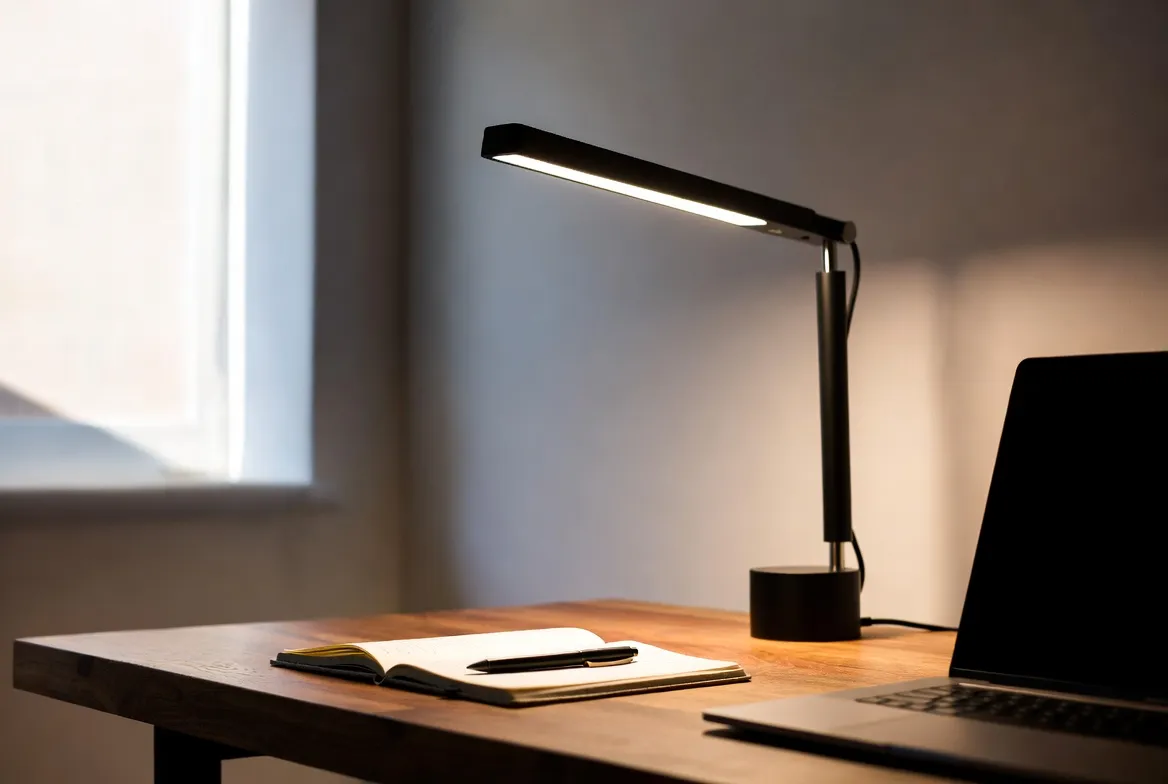
Best LED Desk Light - LedLightsGeek
Best LED desk lights: BenQ ScreenBar, Lepro Metal Lamp, Dyson Solarcycle Morph. Adjustable brightness, color temp, eye-care. Full reviews inside.
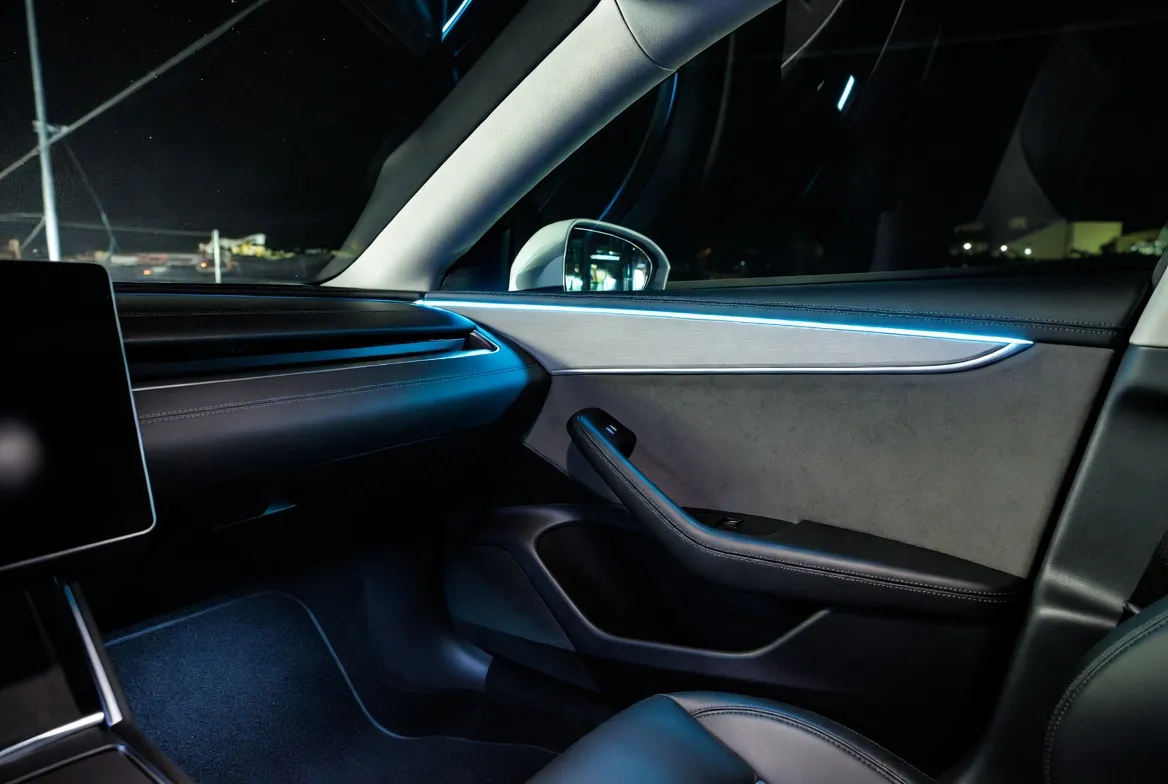
How To Install LED Lights Inside Car
Install LED lights inside your car by mounting 12V LED strips under the dashboard and seats, connecting to the fuse box or cigarette lighter adapter. Takes 30-60 minutes.
Warm vs Cool LED Lights - LedLightsGeek
Warm or cool LED lights? Find the best Kelvin temperature for every room, learn how light affects your sleep and mood, plus how to read labels.
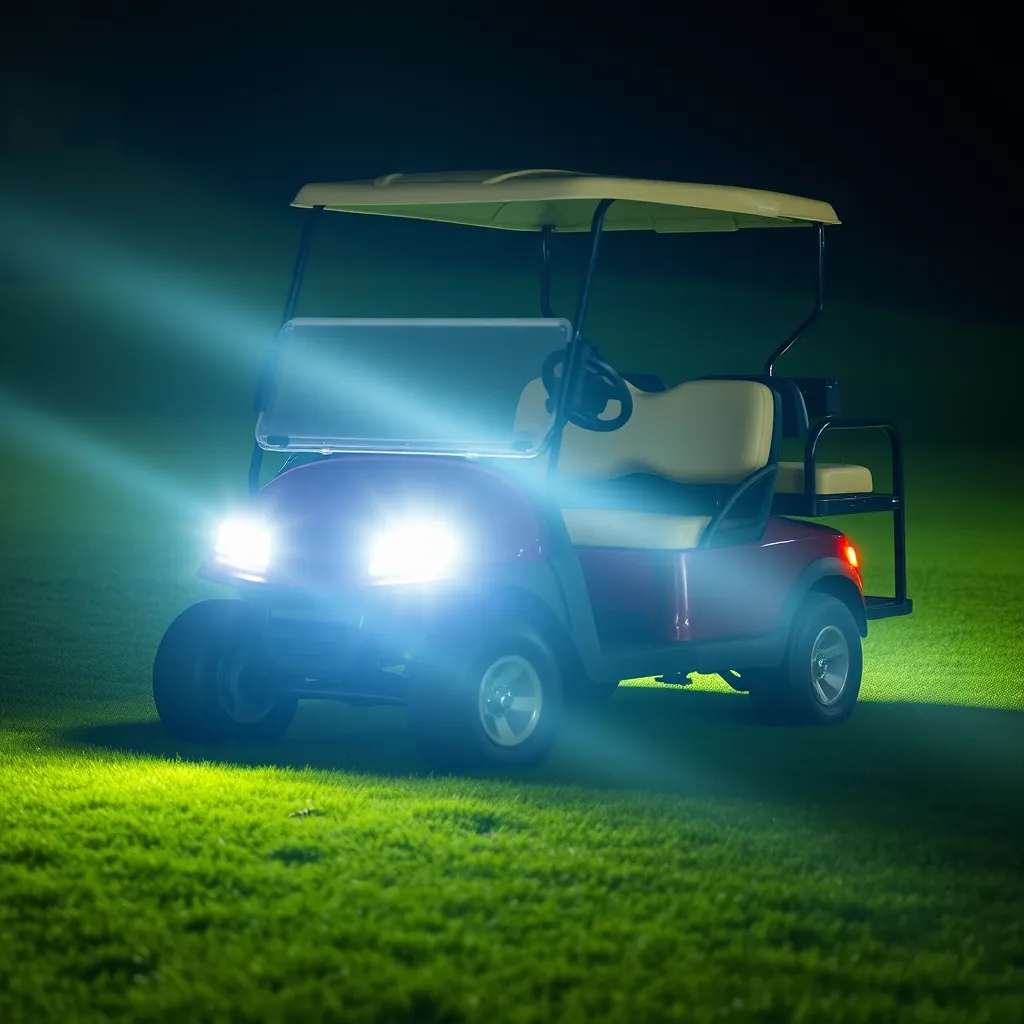
Best LED Light Kit for Golf Cart - LedLightsGeek
Best LED light kits for golf carts: 10L0L, MadJax & RHOX. Compare headlights, taillights, turn signals & brake lights for EZGO, Club Car, Yamaha.
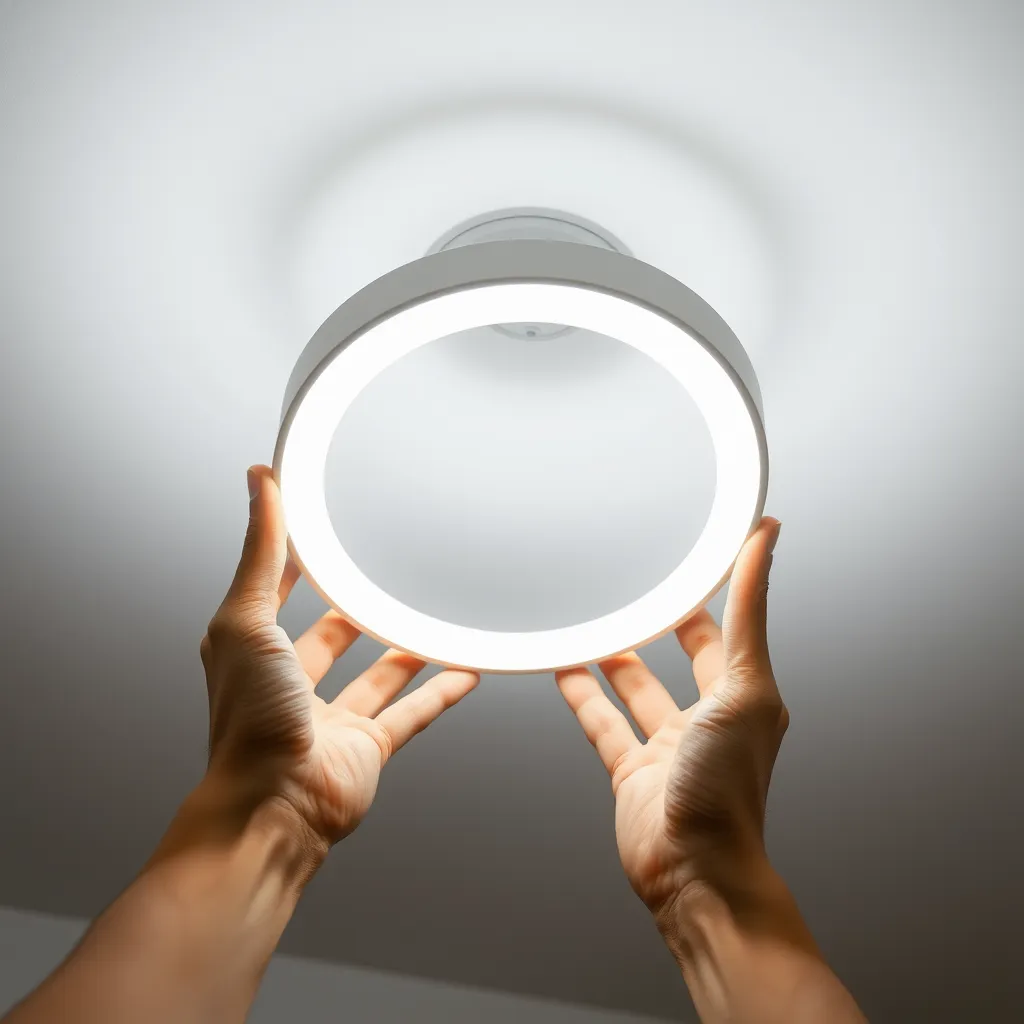
How to Install a LED Flush Mount Ceiling Light
Install an LED flush mount ceiling light in 30 minutes: turn off breaker, remove old fixture, connect wires, mount bracket, attach. Full guide.
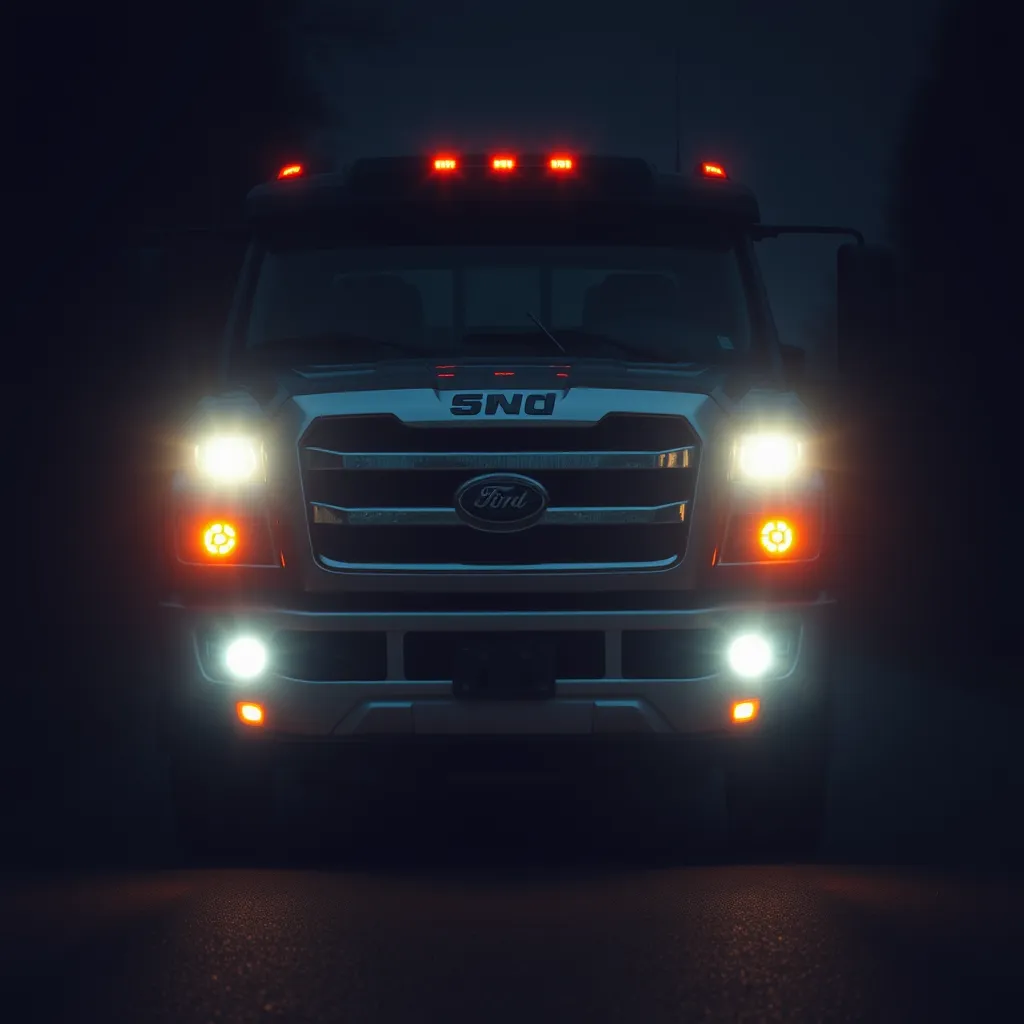
Best LED Fog Lights For Trucks
Best LED fog lights for F-150, Silverado, Ram & more. Fahren, SEALIGHT, Auxbeam compared-H11/H16/9006, 6000-12,000 lumens, plug-and-play.
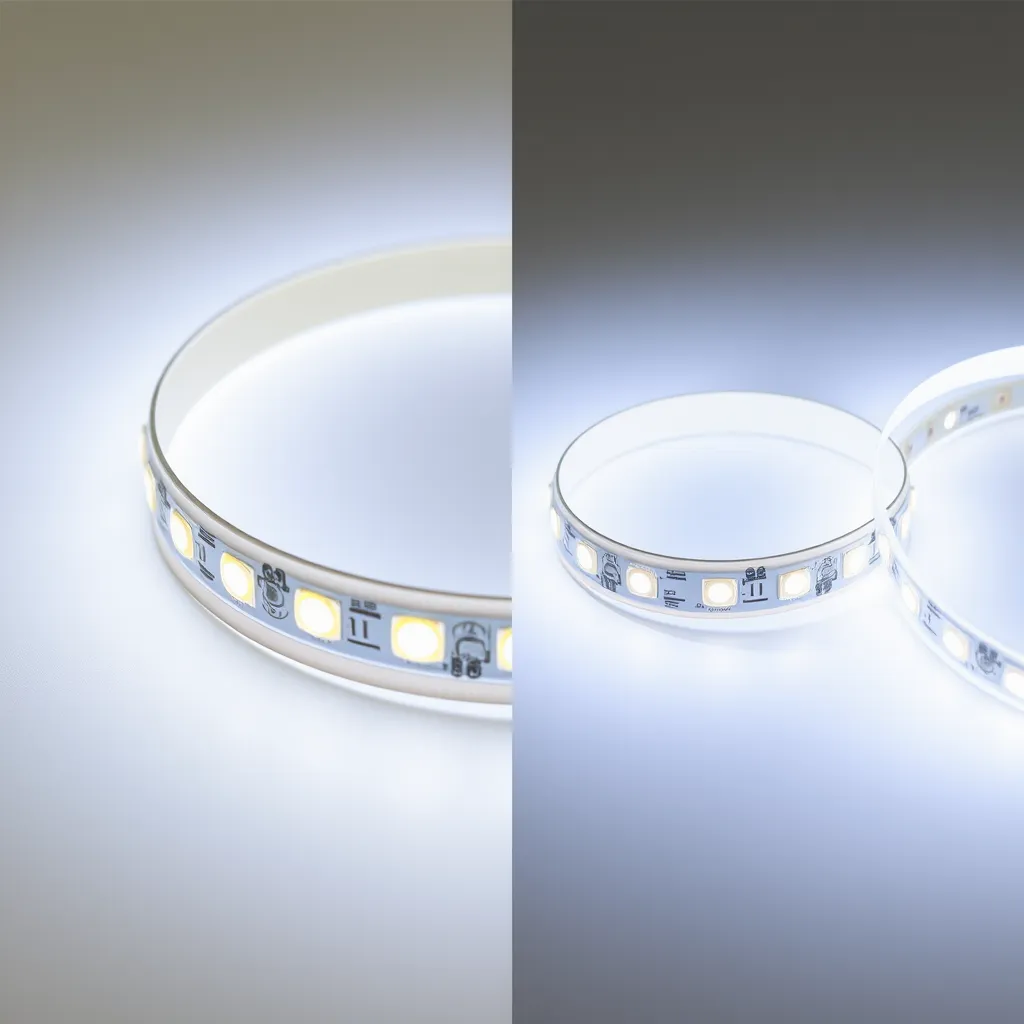
LED Strip Lights vs Rope Lights
LED strip lights are brighter, thinner, and offer more color options. Rope lights are durable, weatherproof & bend around curves. Full guide.
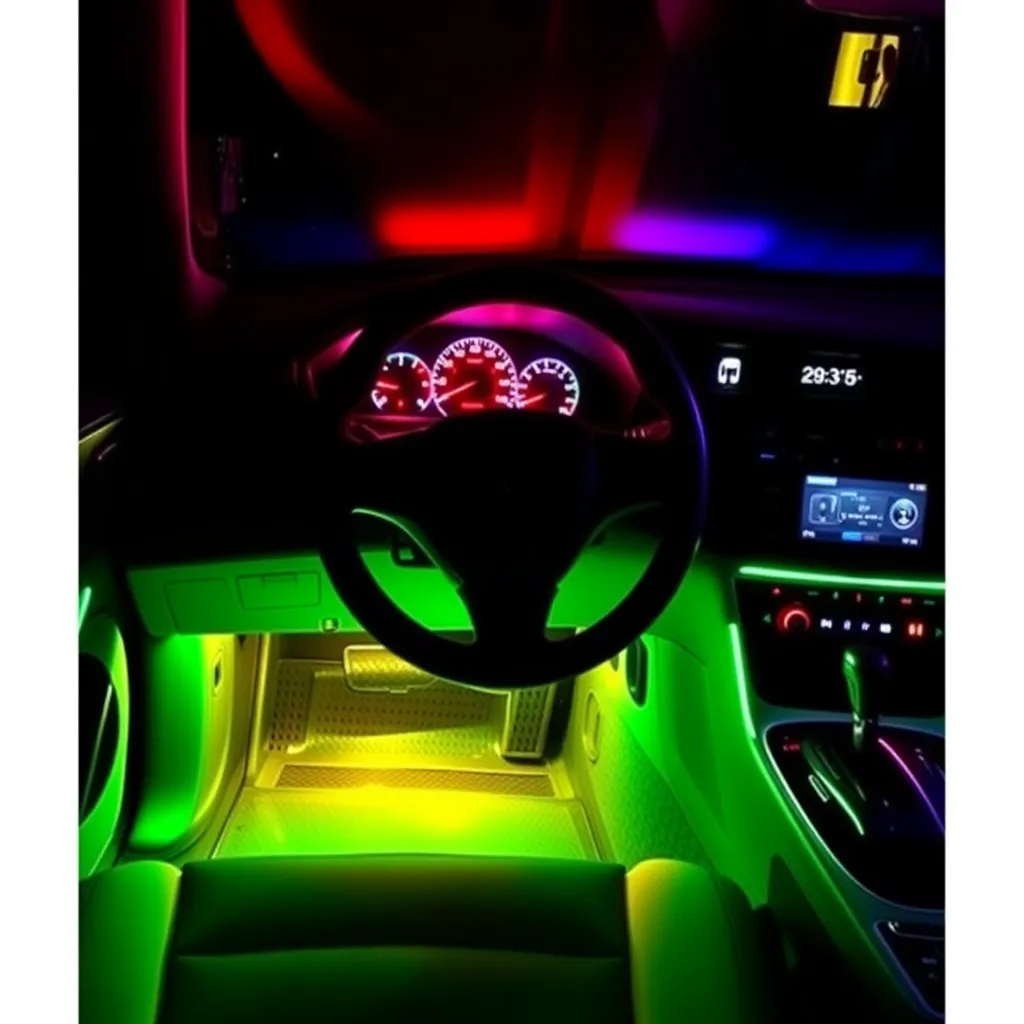
Best LED Lights For Car - LedLightsGeek
Best LED lights for cars in 2026 - top picks for headlights, interior strips, fog, brake, reverse & underglow with prices and install tips.
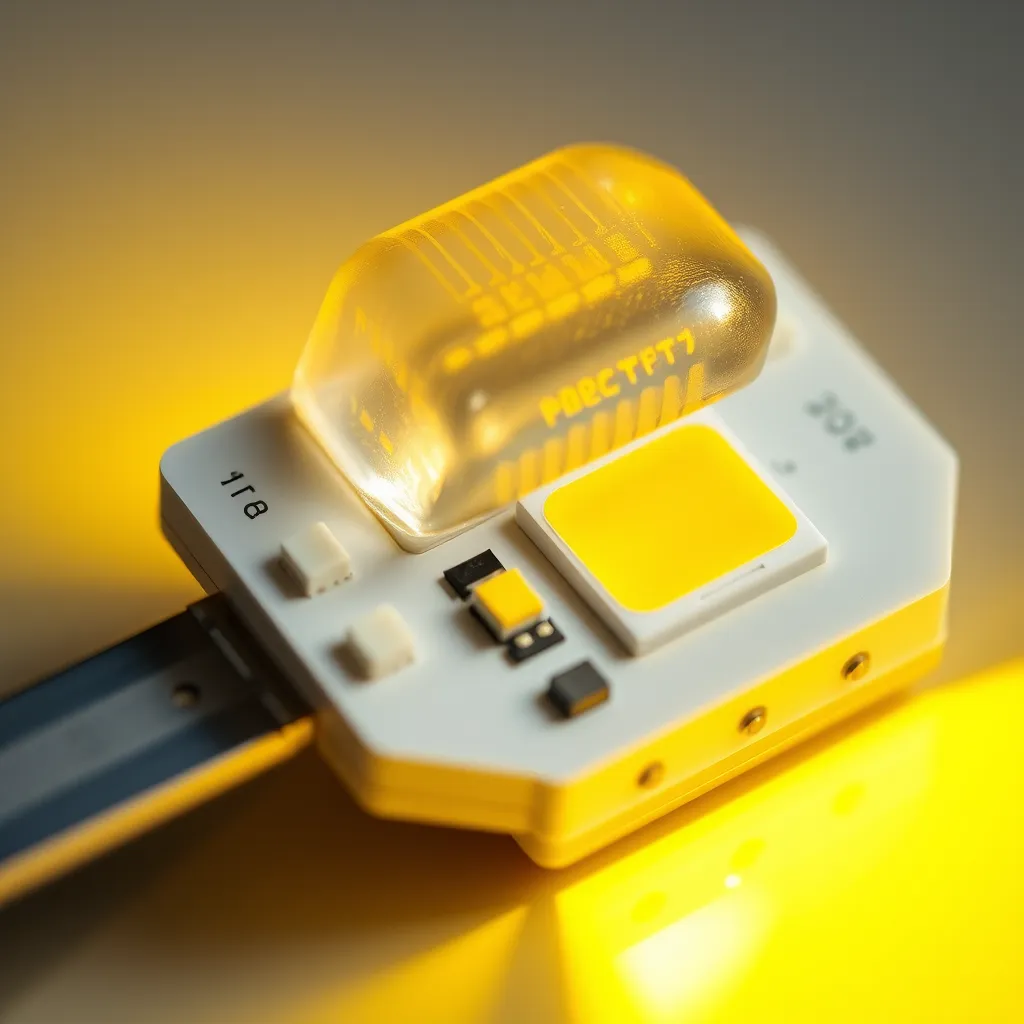
What Is a COB LED Light? LedLightsGeek
A COB LED packs multiple chips on a single substrate, creating dense, uniform light. Ideal for downlights, grow lights, and LED strips today.
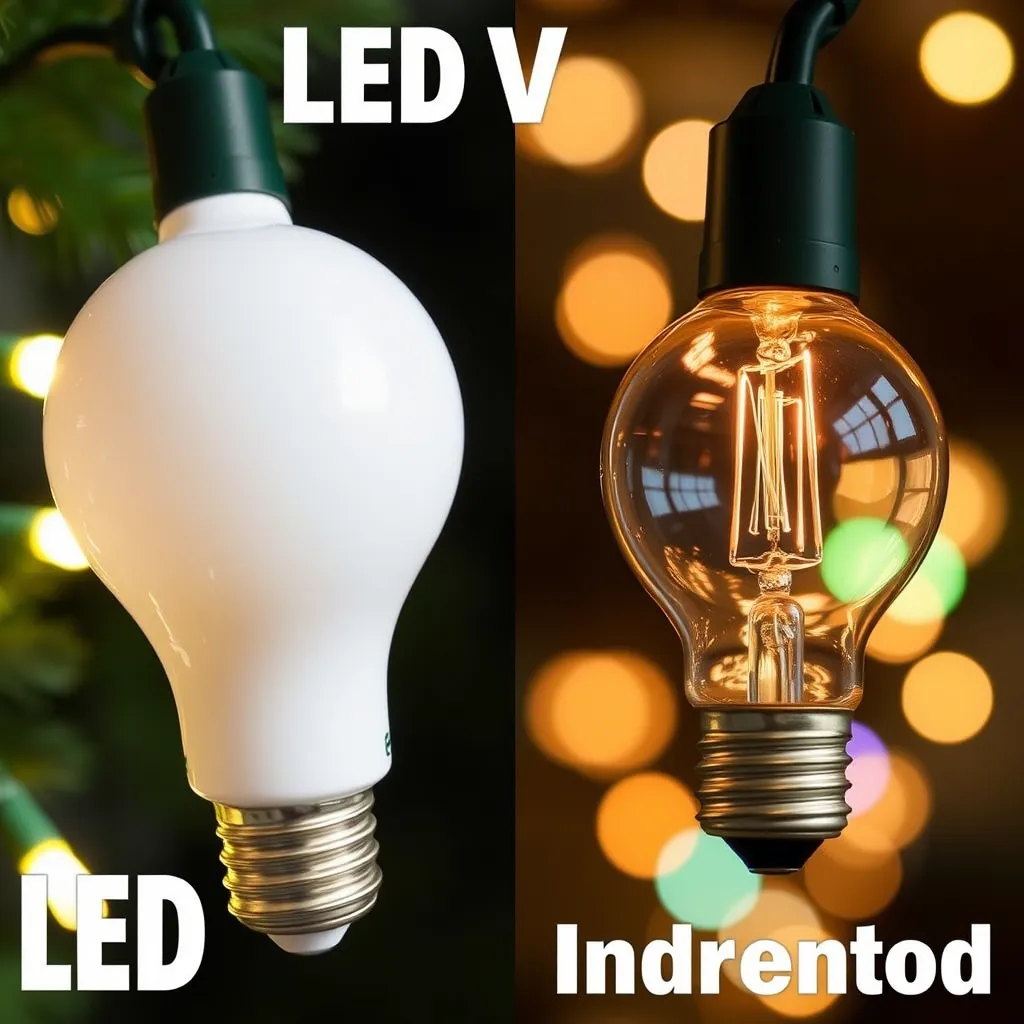
How to Tell If Christmas Lights Are LED
Tell if Christmas lights are LED by checking bulb shape, heat output, color quality, packaging labels, and wire gauge. Quick identification guide.
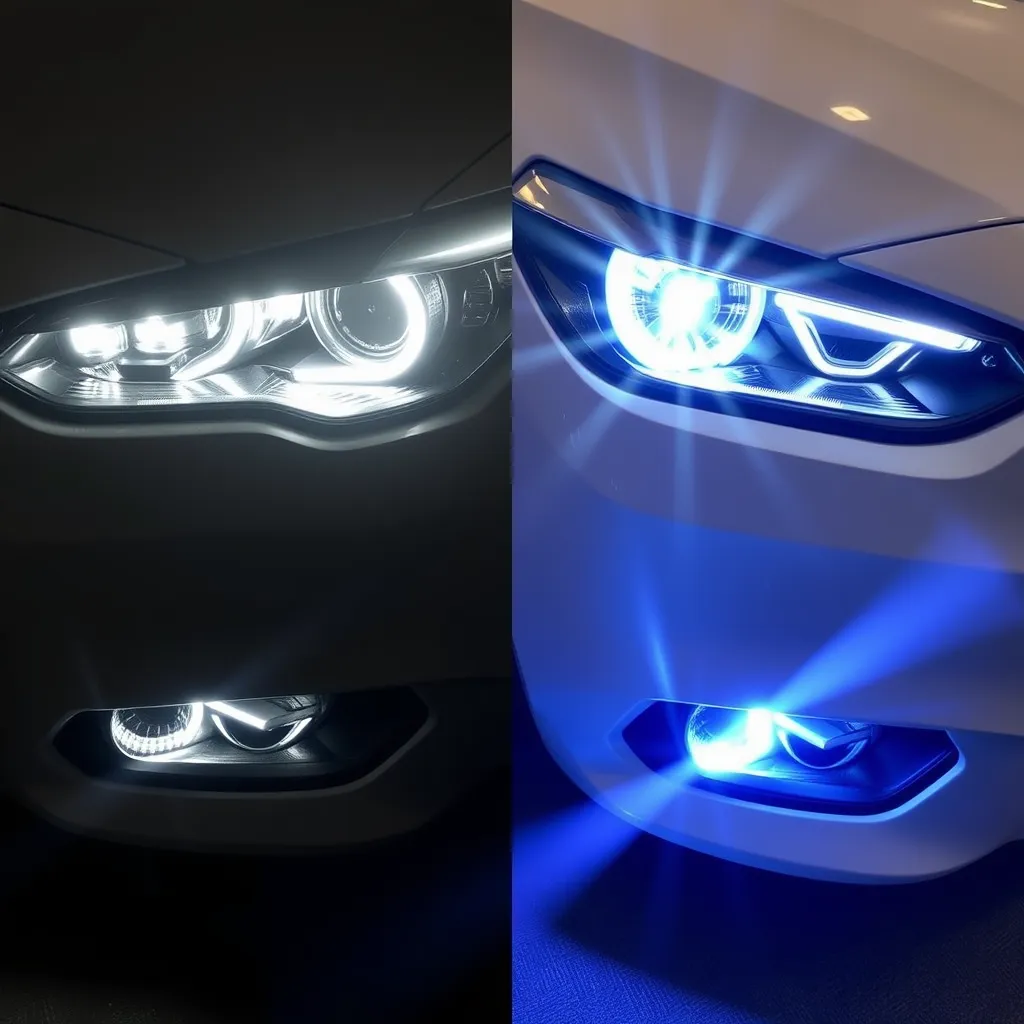
Xenon vs LED Light: Full Comparison
LED lights arLEDs are efficient, long-lasting, and instant-on. Xenon (HID) offers higher lumens but LEDs now dominate headlights and projector applications.e more efficient, longer-lasting, and turn on instantly compared to xenon (HID). Xenon produces higher raw lumens but is being replaced by LED in headlights and projectors.
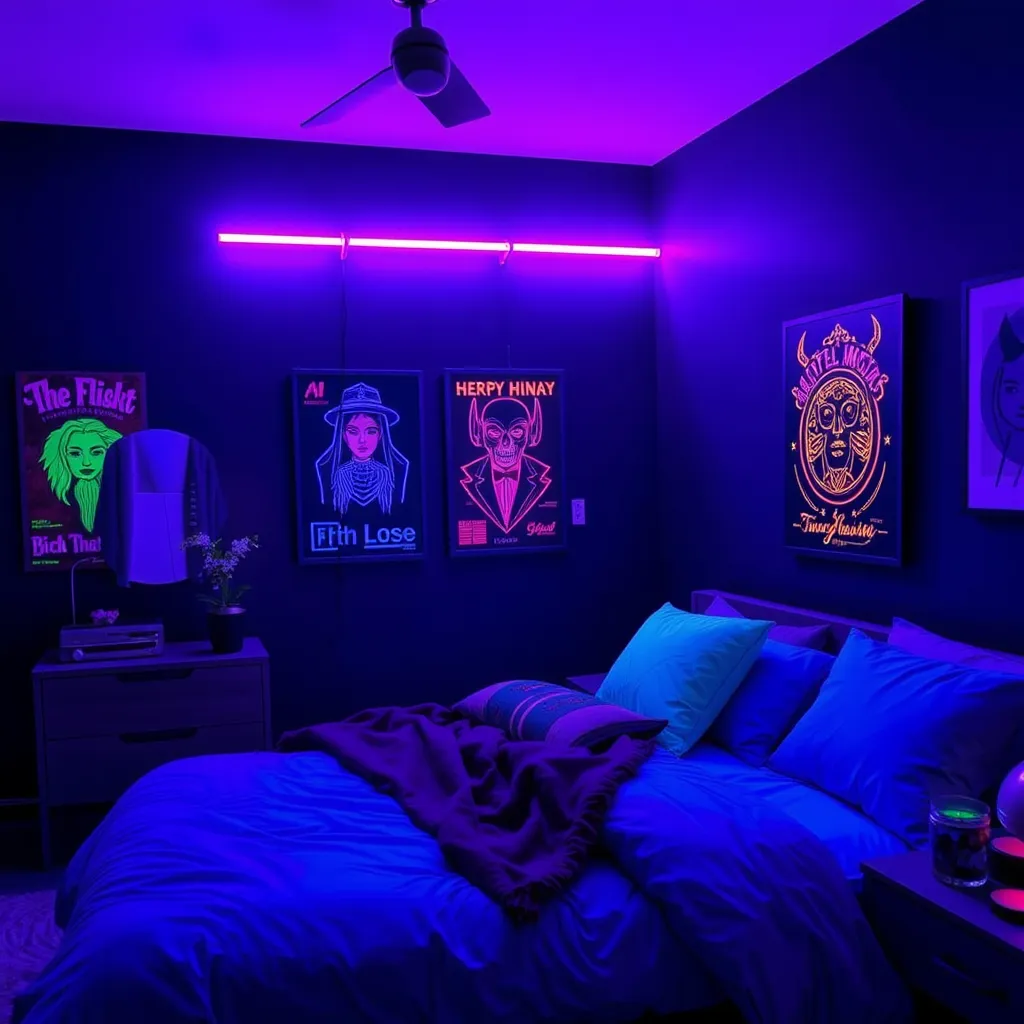
Why Can't We Have Black LED Lights?
A "black LED" is physically impossible since darkness is the absence of photons. UV-A LEDs (365-395nm) create the classic black light glow effect.
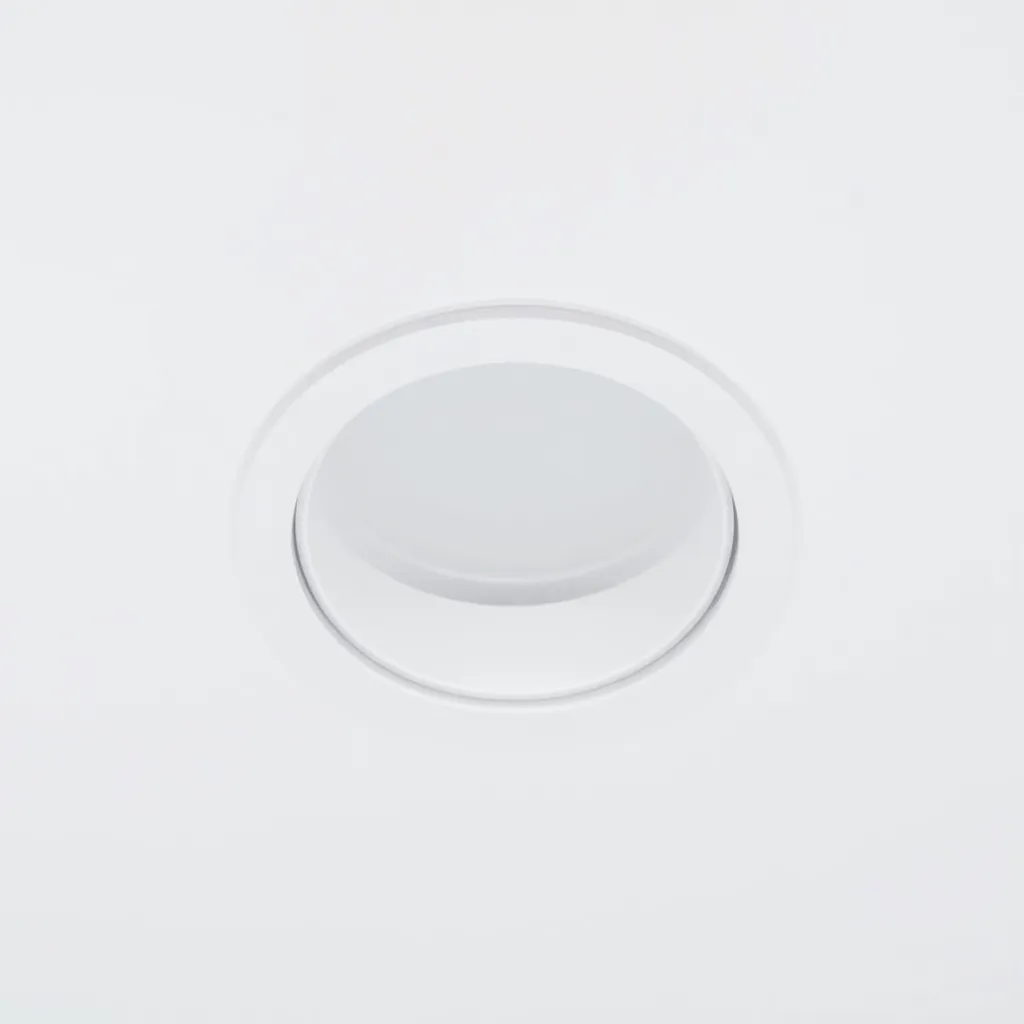
Best Retrofit LED Can Lights - LedLightsGeek
Upgrade old incandescent recessed cans in under 2 minutes. Compare the 5 best retrofit LED can lights on Amazon - Feit, Sunco, TORCHSTAR, & more.
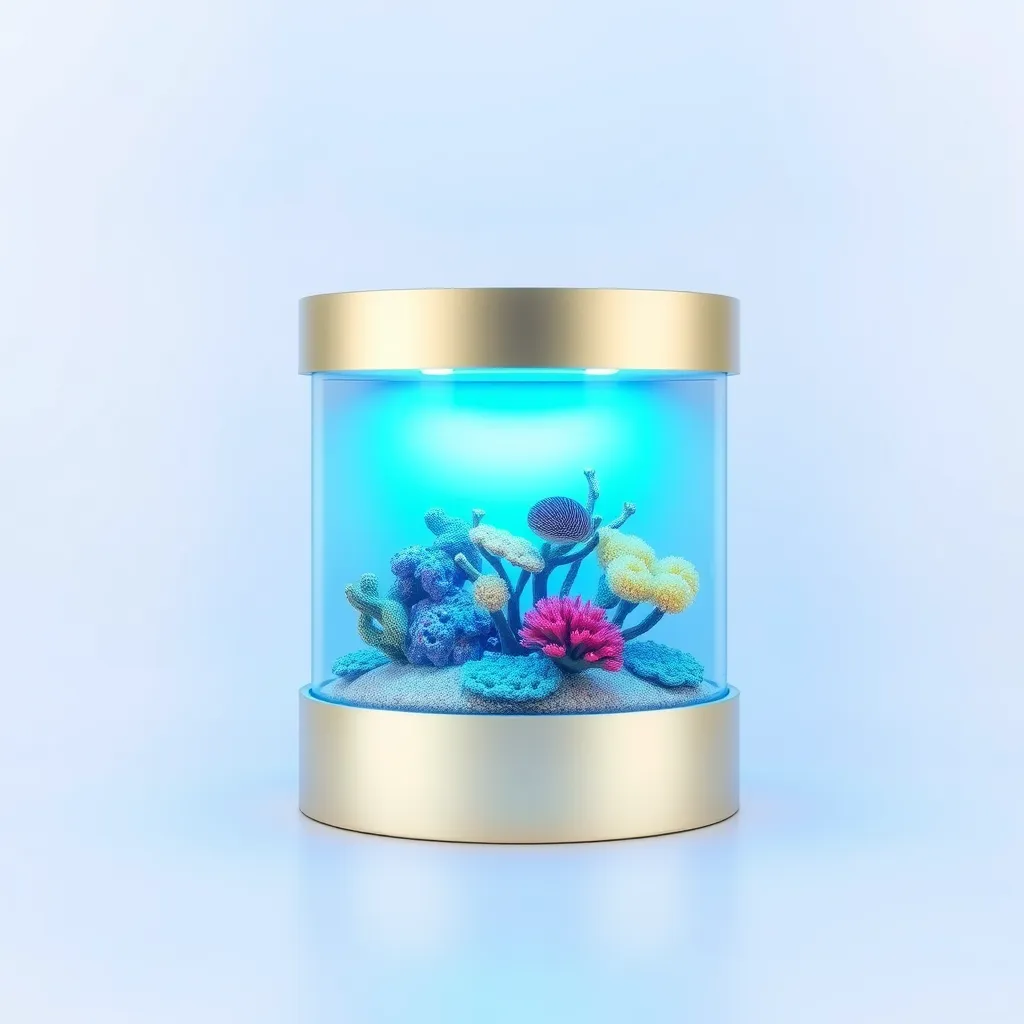
Best Reef LED Lighting - LedLightsGeek
Top reef LED lights: EcoTech Radion XR30, AI Hydra 32 HD, Kessil A360X. Full spectrum for SPS/LPS corals, high PAR output, color rendering reviews.
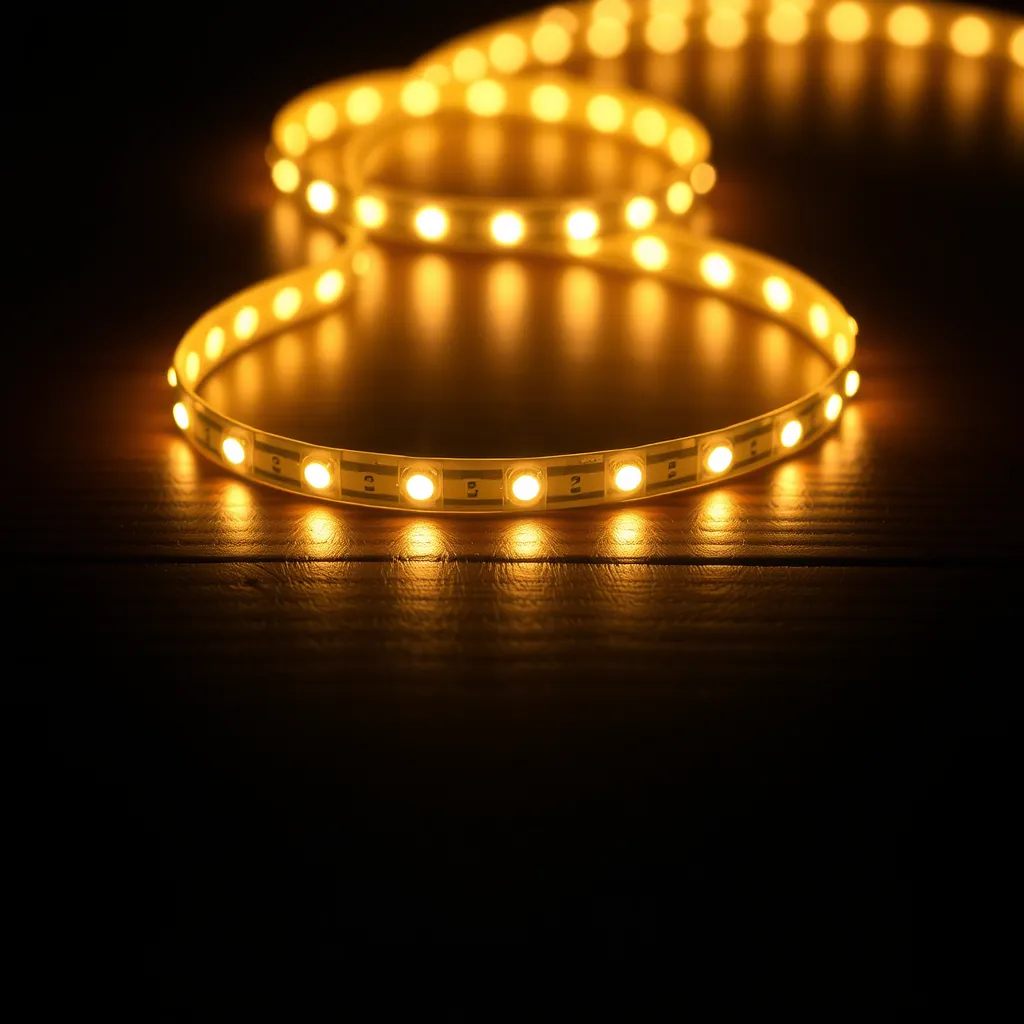
How To Turn On LED Lights - LedLightsGeek
Turn on LED strip lights by connecting the adapter and using the remote, LED bulbs with a wall switch, or smart LEDs via app or voice command.
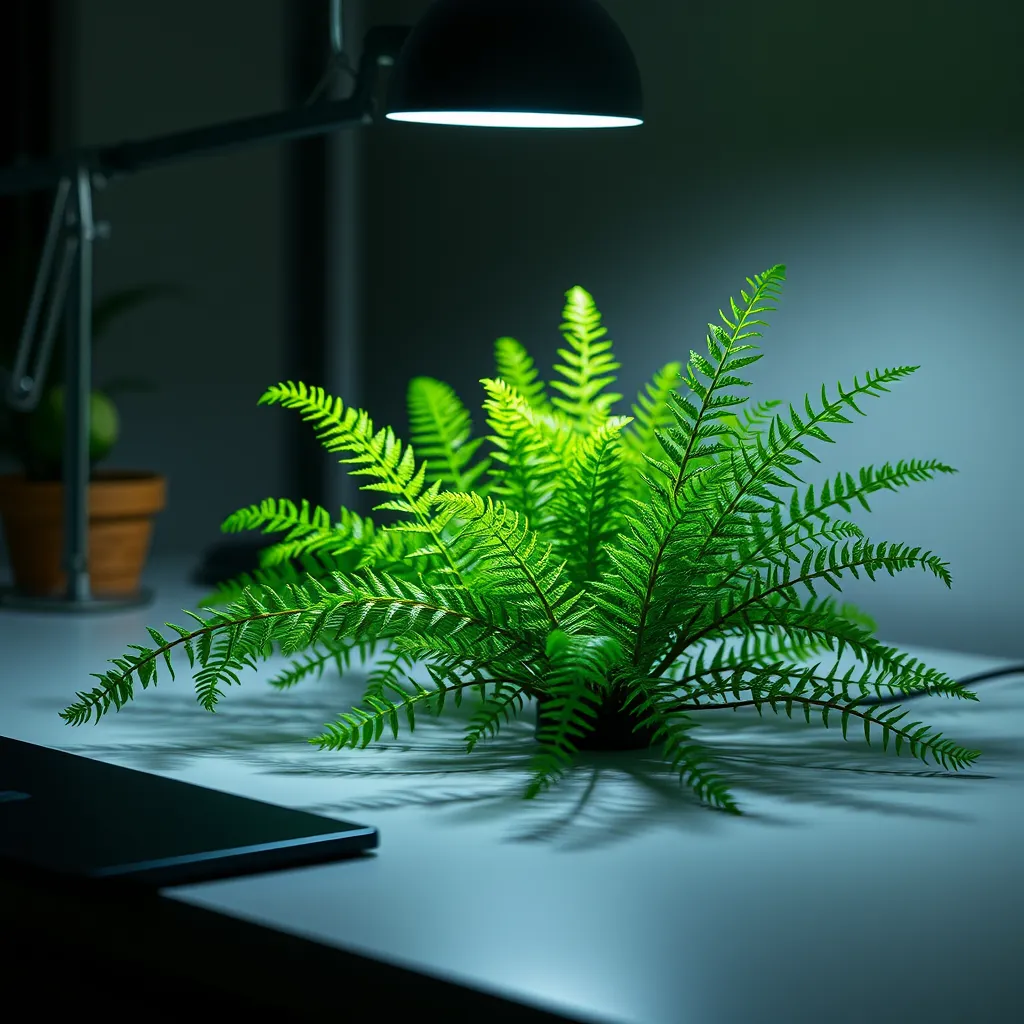
Best LED Grow Lights for Indoor Plants
Best LED grow lights for indoor plants: Briignite, Soltech Aspect, VIVOSUN T5, SANSI 36W & Mosthink. Full-spectrum, 11-60W for all plants.
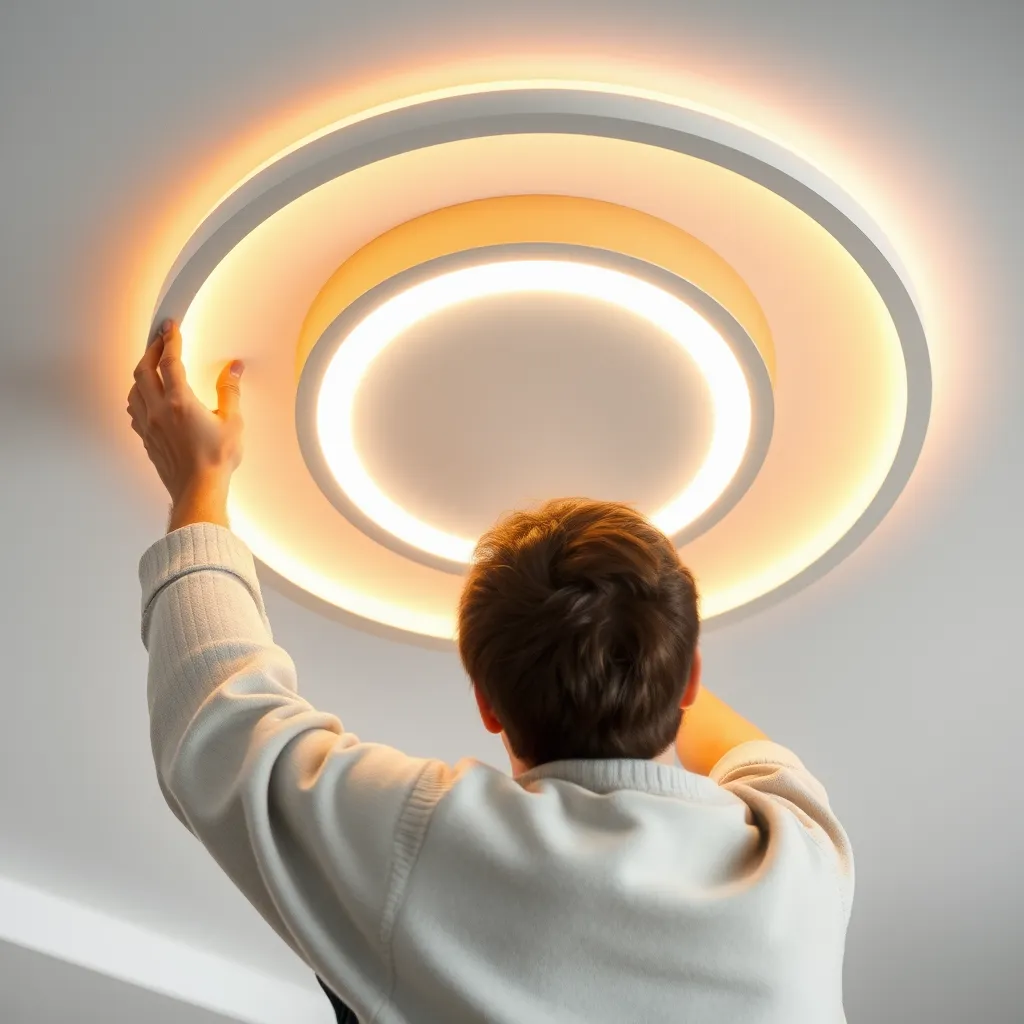
How To Change an LED Ceiling Light in 15 Minutes
Change an LED ceiling light by turning off power, removing the old fixture, disconnecting wires, and installing a new one in 15-30 minutes.
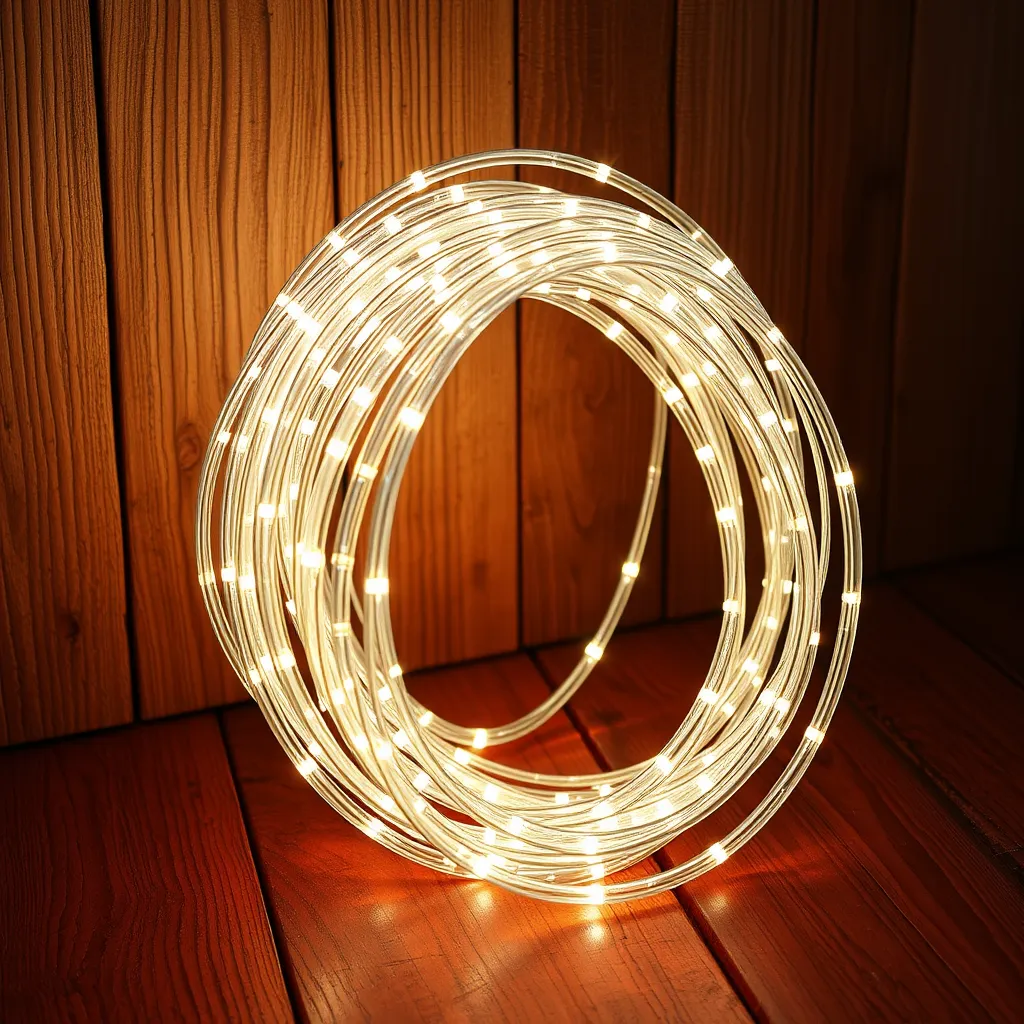
How Long Is 100 Feet of LED Lights?
100 ft (30.5 m) of LED lights - perfect for a large Christmas tree, outlining a 2,000 sq ft home, or lighting 3-4 rooms with LED strips.
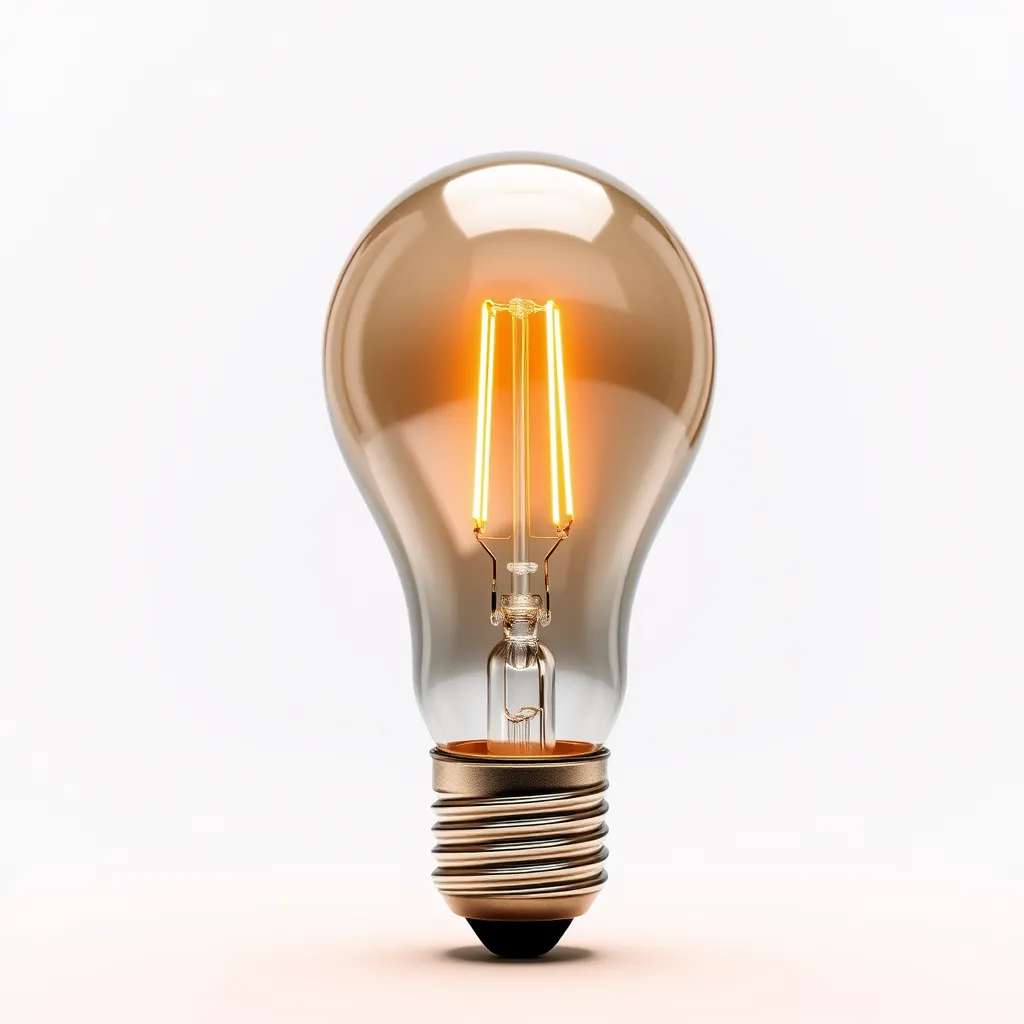
What Does LED Stand For? Light Emitting Diode Explained
Learn what LED stands for and how Light Emitting Diodes work to produce energy-efficient, long-lasting light.
What Is LED Light Therapy - LedLightsGeek
LED light therapy uses specific wavelengths-red (630nm) boosts collagen, while blue (415nm) targets acne bacteria- for healthier skin.
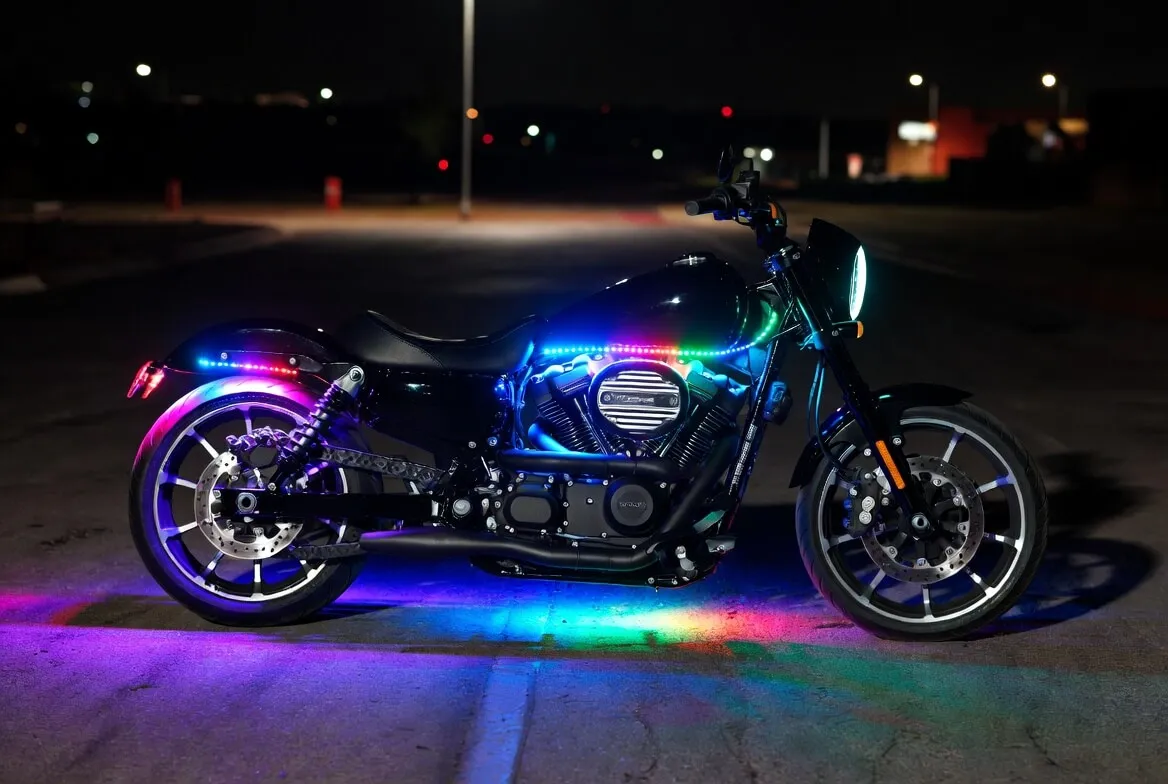
Best Motorcycle LED Light Kit - LedLightsGeek
Top motorcycle LED light kits reviewed: Nilight, DITRIO, SHINIGHT & more. App control, IP68 waterproof, brake light & chasing effects.
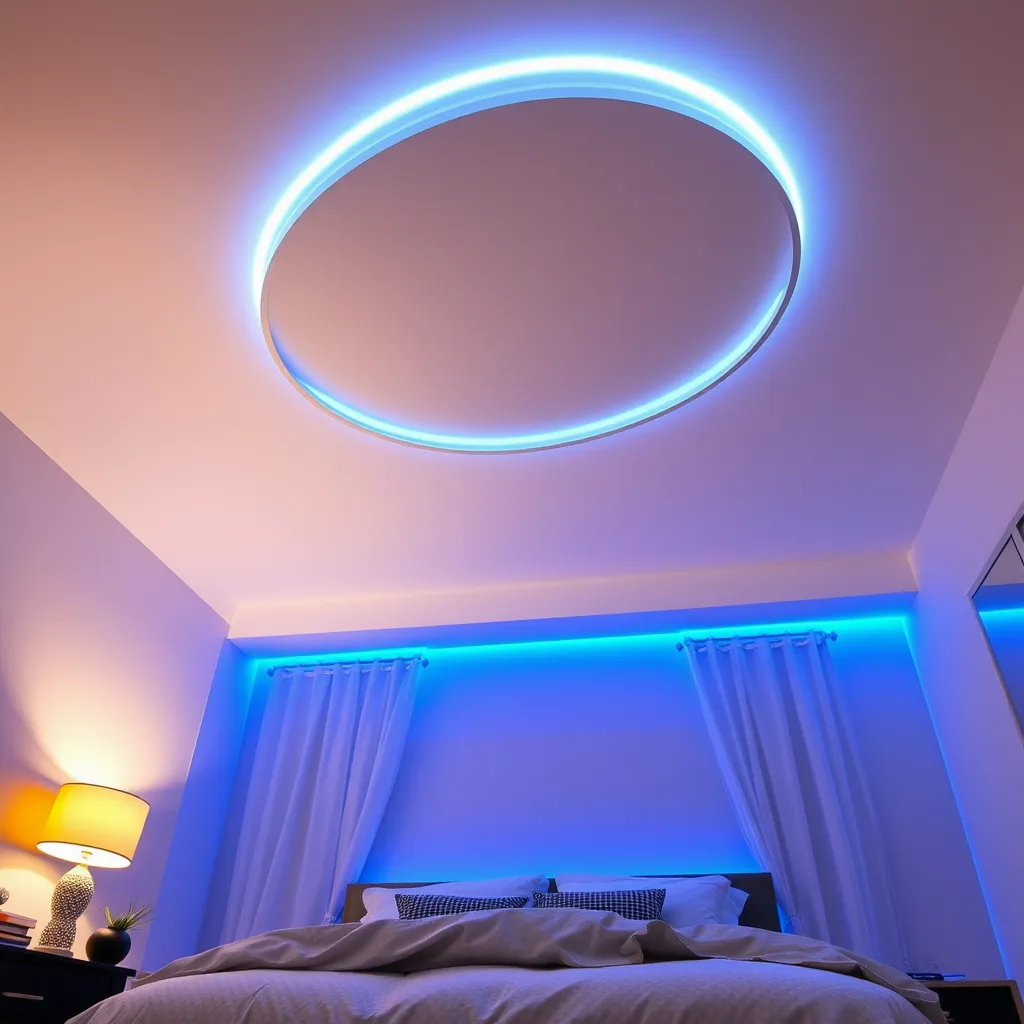
How To Put Up LED Lights in Your Room - LedLightsGeek
Install LED strip lights in 15-20 minutes by cleaning the surface, sticking the strip, and connecting to power easily.
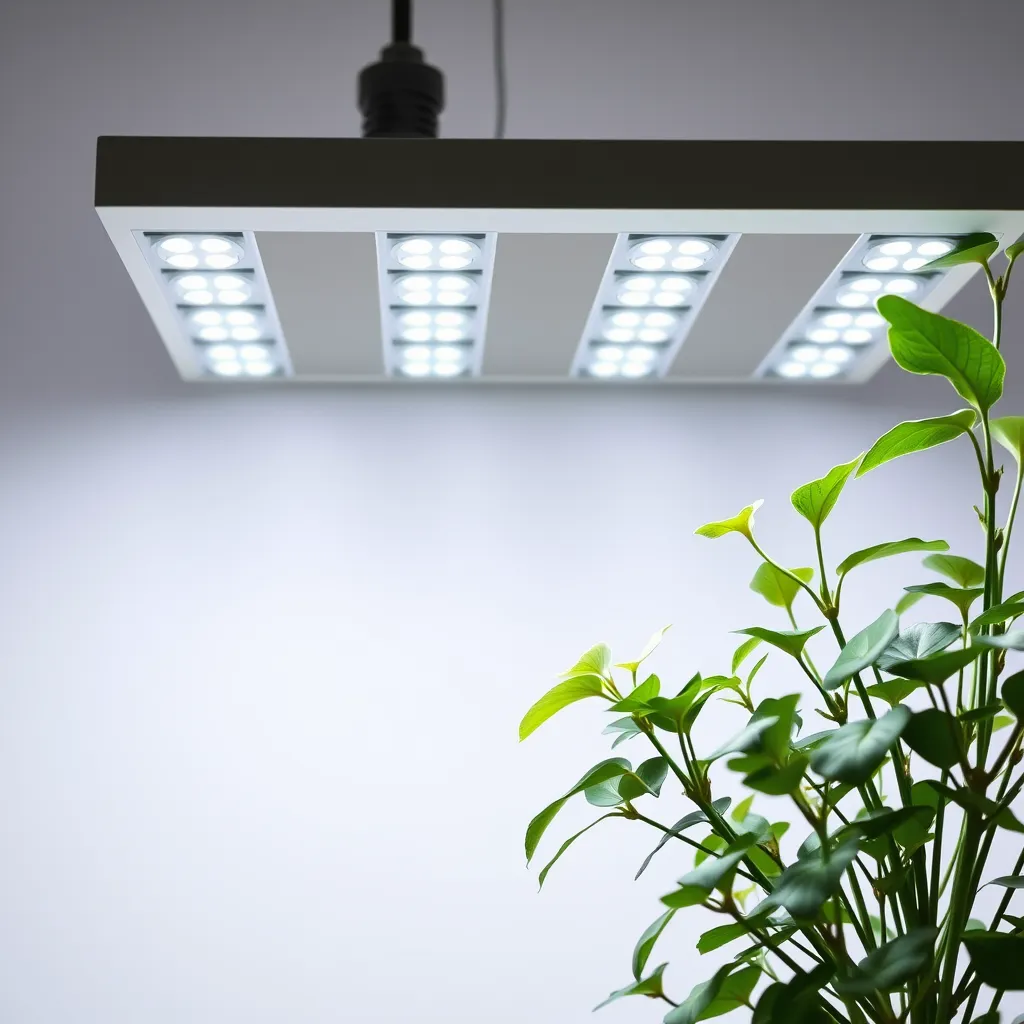
Best Full Spectrum LED Grow Lights - LedLightsGeek
Best full spectrum LED grow lights: Spider Farmer G5000, VIVOSUN VS4000, Mars Hydro TSW2000 & more. Full spectrum, seed to harvest
How To Install LED Recessed Lighting in Existing Ceiling
Install LED recessed lights in an existing ceiling with canless fixtures. Cut, wire, and clip them in place - no attic access needed.
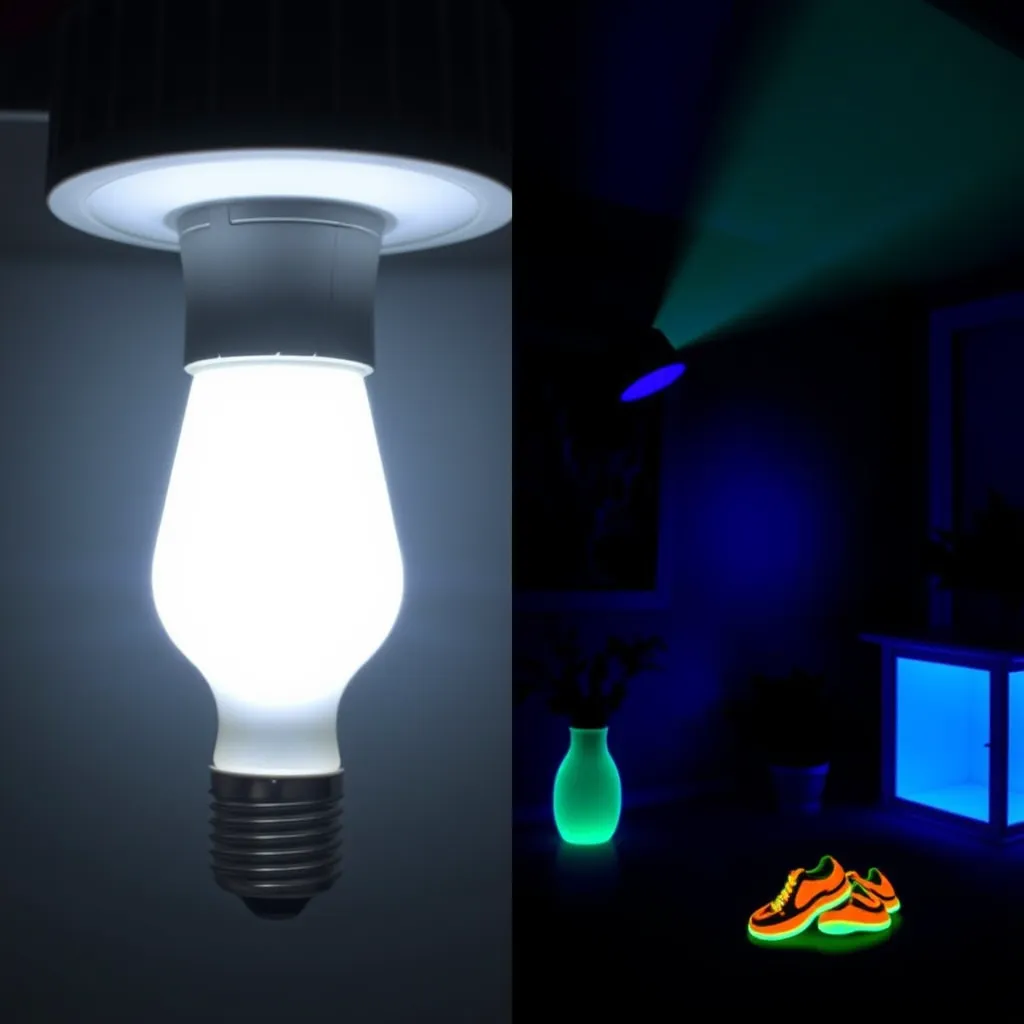
LED vs UV Light: What's the Difference?
LED lights produce visible light (400-700nm) for illumination, while UV lights emit 100-400nm radiation for curing, sterilization, and nail drying.
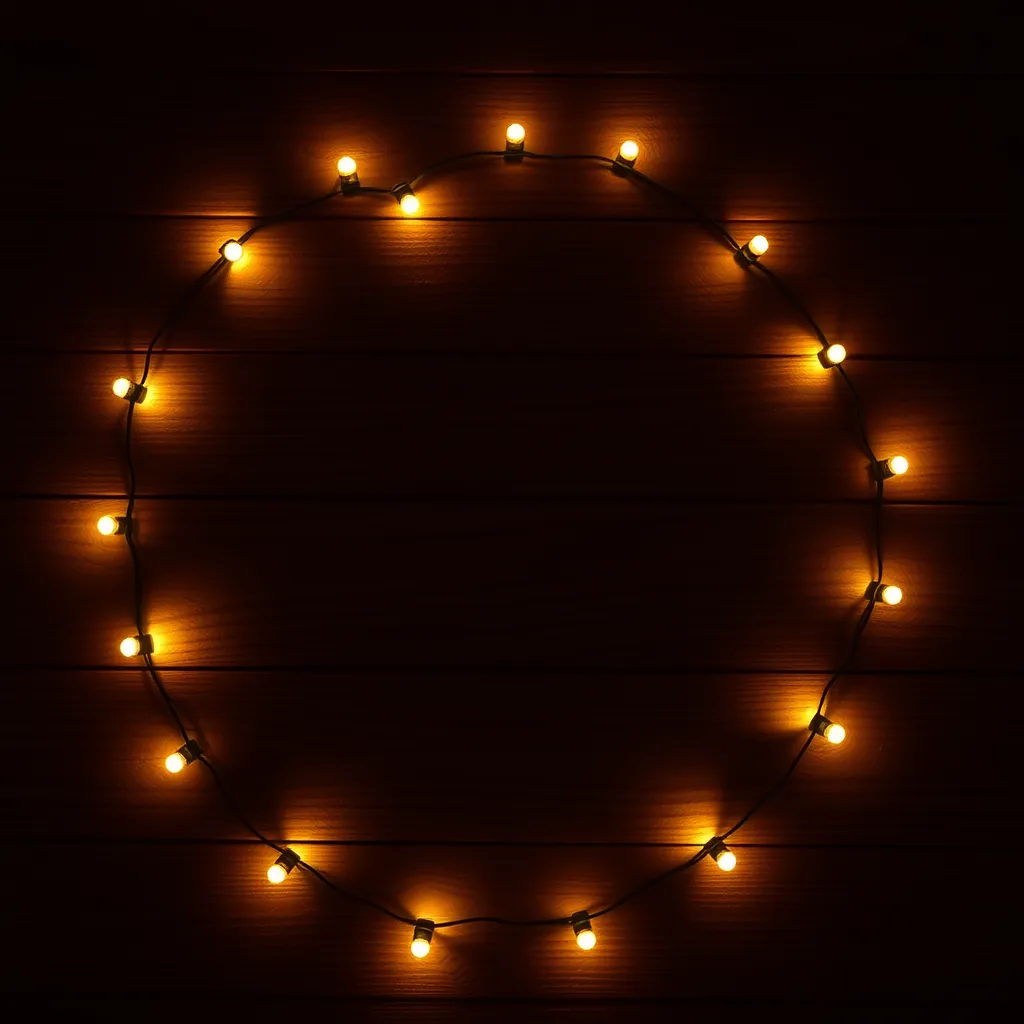
Best LED Christmas Lights (2026)- LedLightsGeek
Best LED Christmas lights: Philips Smooth Mini for a classic look, Twinkly for smart control, and Wintergreen Lighting for durable, commercial-grade use.
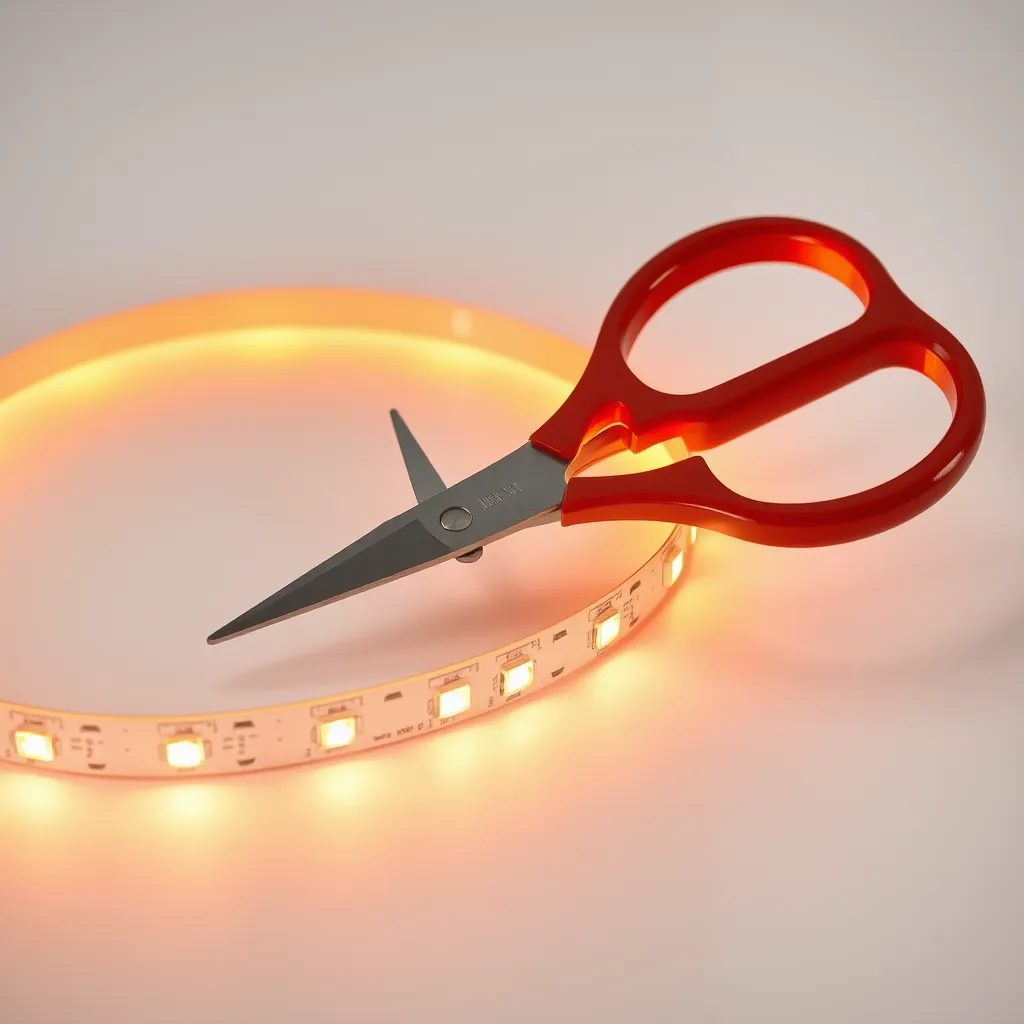
How To Cut LED Strip Lights the Right Way
Cut LED strip lights only at cut lines between copper pads using sharp scissors or a craft knife. Cutting elsewhere breaks the circuit and ruins that section.
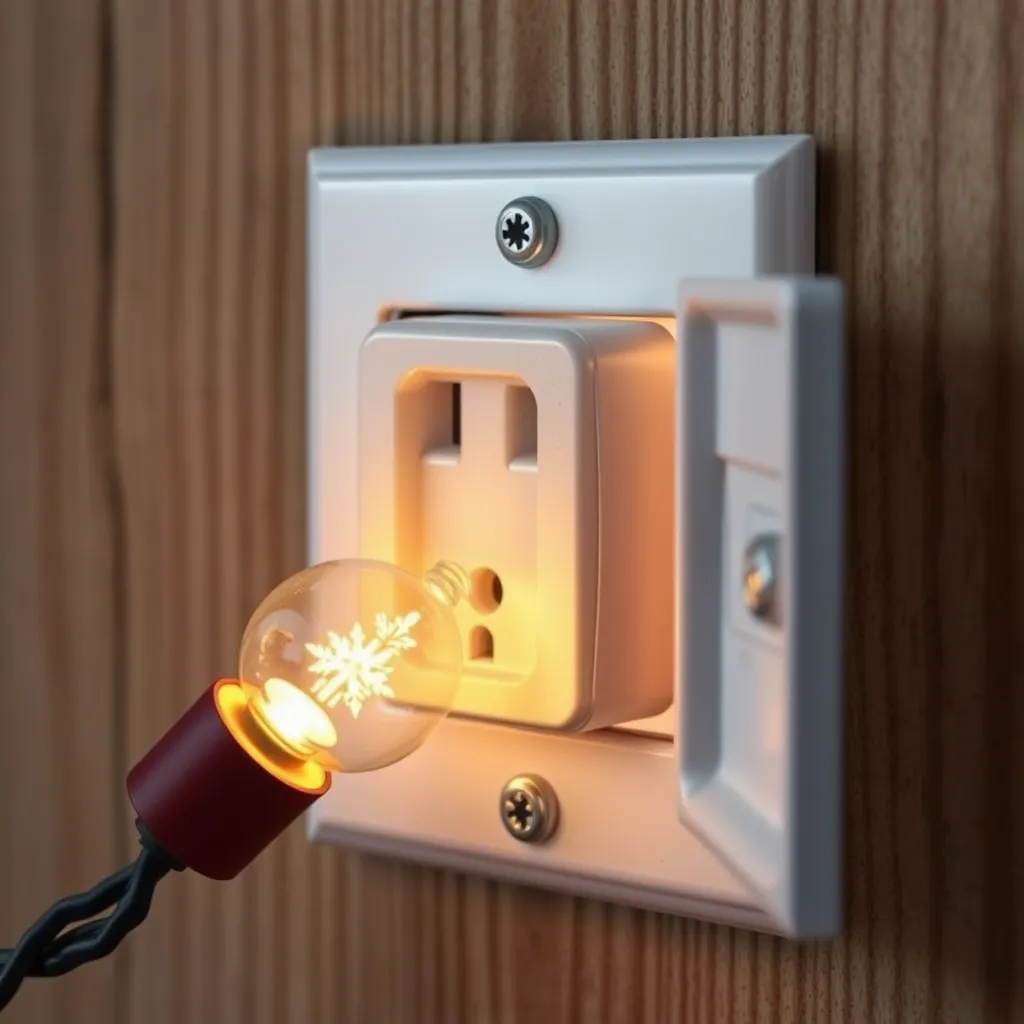
How Do You Change the Fuse on LED Christmas Lights?
Replace the fuse by opening the plug’s fuse door, removing the blown fuse, and inserting a matching one. Takes about 2 minutes.
How To Dim LED Lights- LedLightsGeek
Dim LED lights with an LED-compatible dimmer, smart bulb, or PWM dimmer. Avoid old incandescent dimmers - they cause flickering.
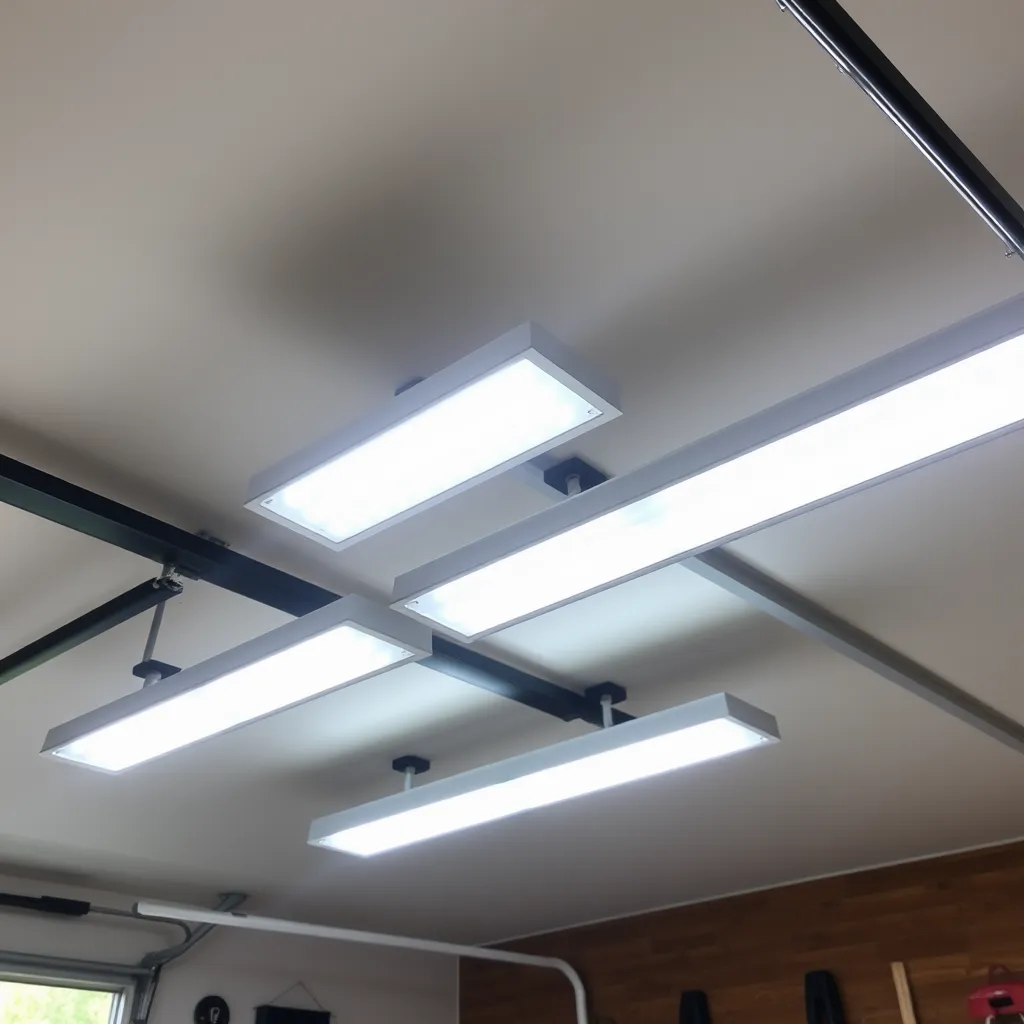
Best LED Garage Lights: 6 Brightest Options Ranked
Find the best LED garage lights with expert picks, brightness guide, and installation tips to upgrade your garage lighting on any budget.
How To Fix LED Christmas Lights- LedLightsGeek
Fix LED Christmas lights by checking fuses, reseating bulbs, and repairing broken connections. Simple steps to fix dead, half-lit, or flickering strands.
Best LED Recessed Lights for Every Ceiling
Compare top LED recessed lights: Halo RL56 (retrofit), Ensenior 12-pack (new construction), and Philips Retrofit (premium dimming).
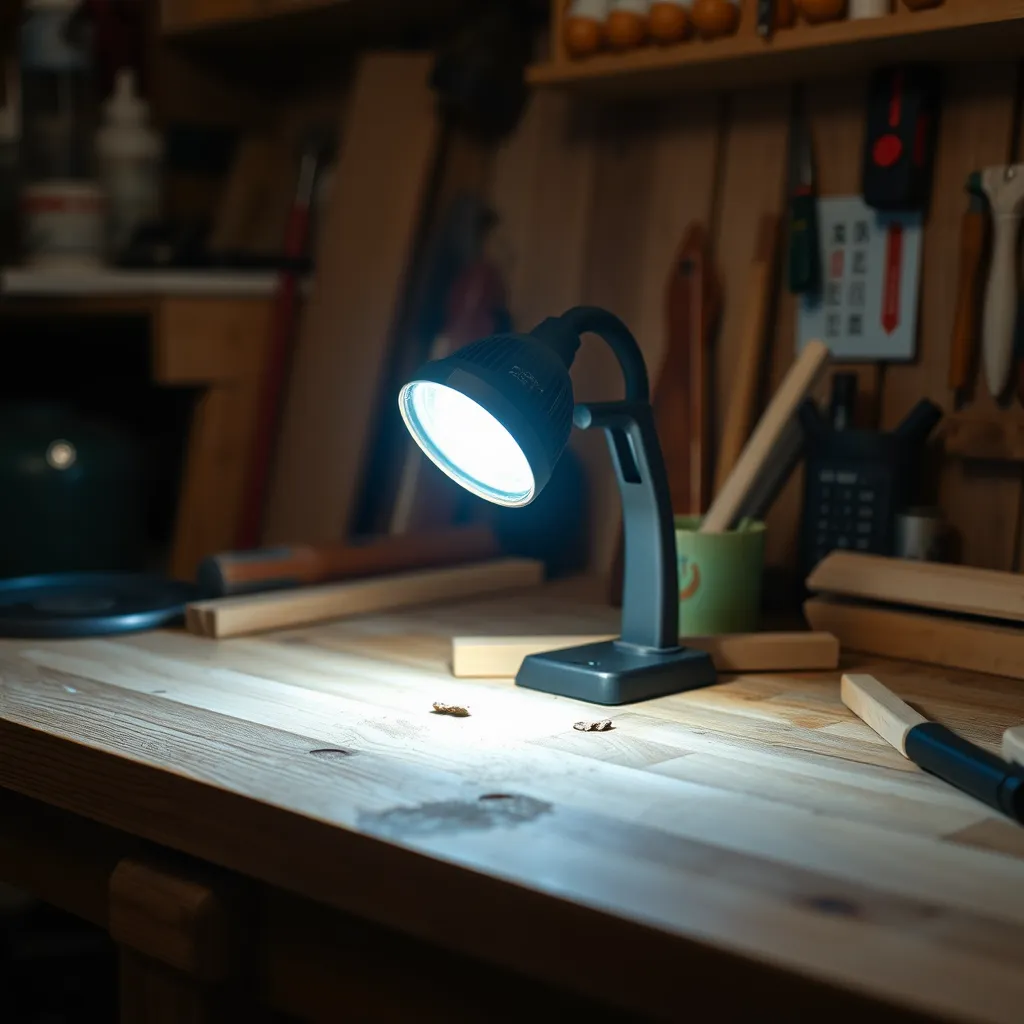
How To Make LED Lights: DIY Guide
Make LED lights by connecting LEDs in series or parallel with resistors to a DC power source. Covers single LEDs, strips, and custom panels.
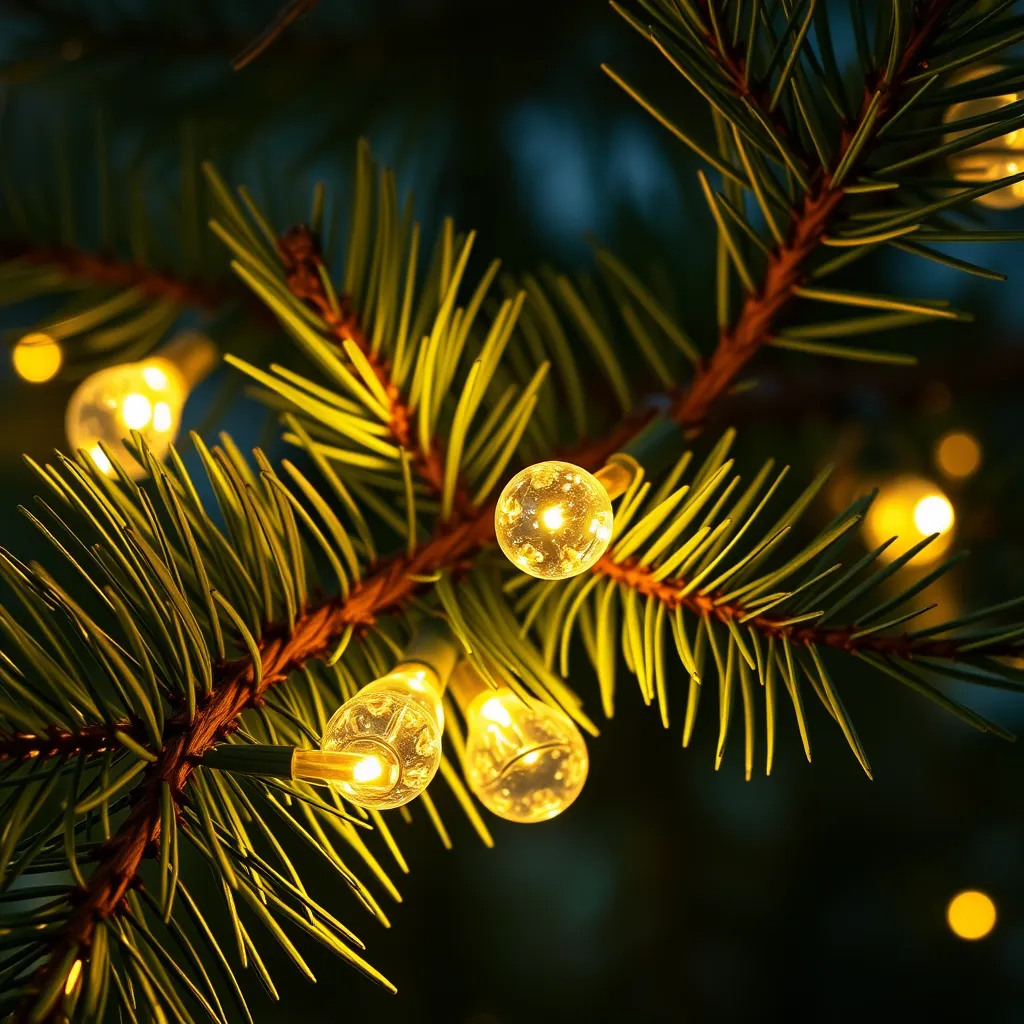
Incandescent vs LED Christmas Lights: Durability, Cost, and Safety
LED Christmas lights last 25× longer, use 90% less energy, run cooler, and outperform incandescent in durability, cost, brightness, and safety.
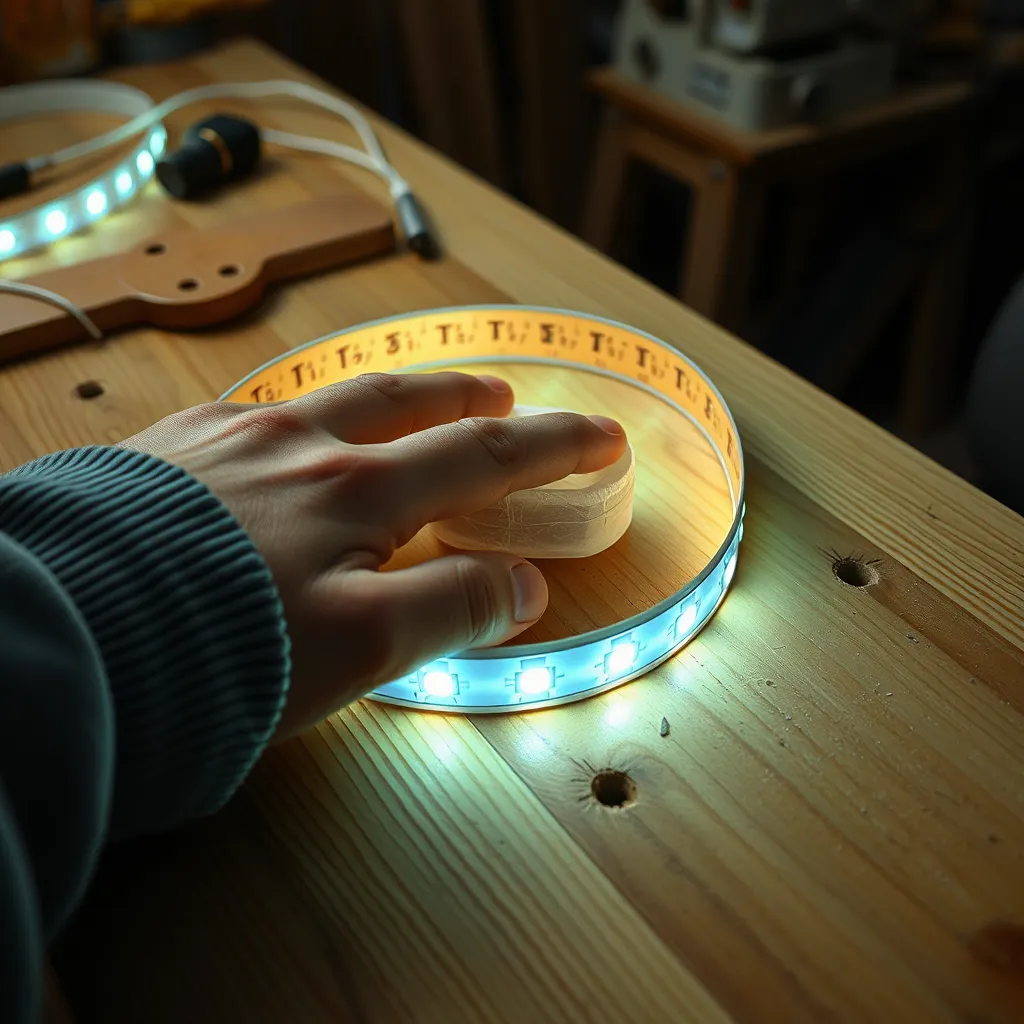
How To Fix LED Strip Lights: Troubleshooting Guide
Fix LED strips by checking power, connectors, or joints, and replace damaged sections. Troubleshoot dead spots, dim areas, and color issues.
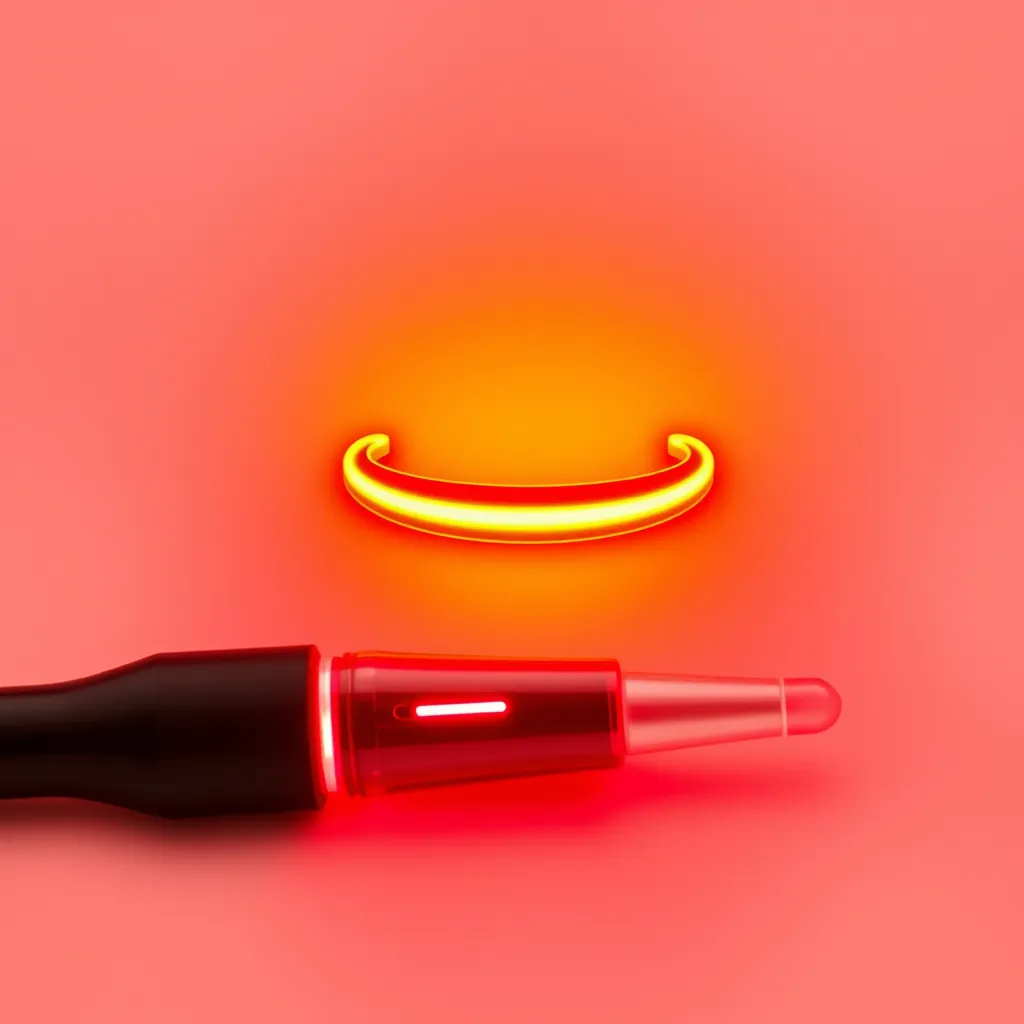
How Does Oral LED Light Lift Corners of Mouth?
Oral LED light therapy uses red and near-infrared light to boost collagen and tighten mouth muscles, gradually lifting drooping corners in 8-12 weeks.
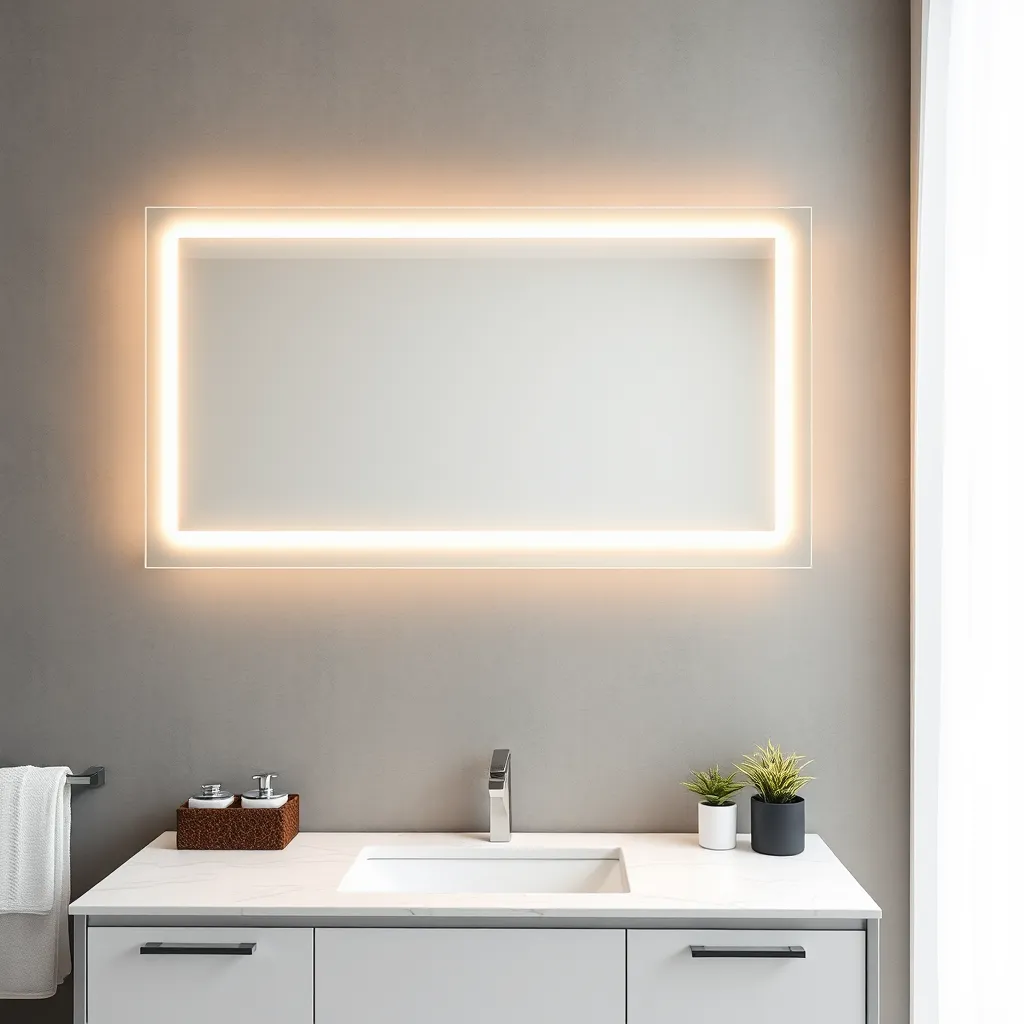
How To Make A Mirror With LED Lights
Build a DIY LED mirror by attaching LED strip lights to the back of a frameless mirror or around a framed mirror. Step-by-step guide with materials list, wiring, and pro tips.
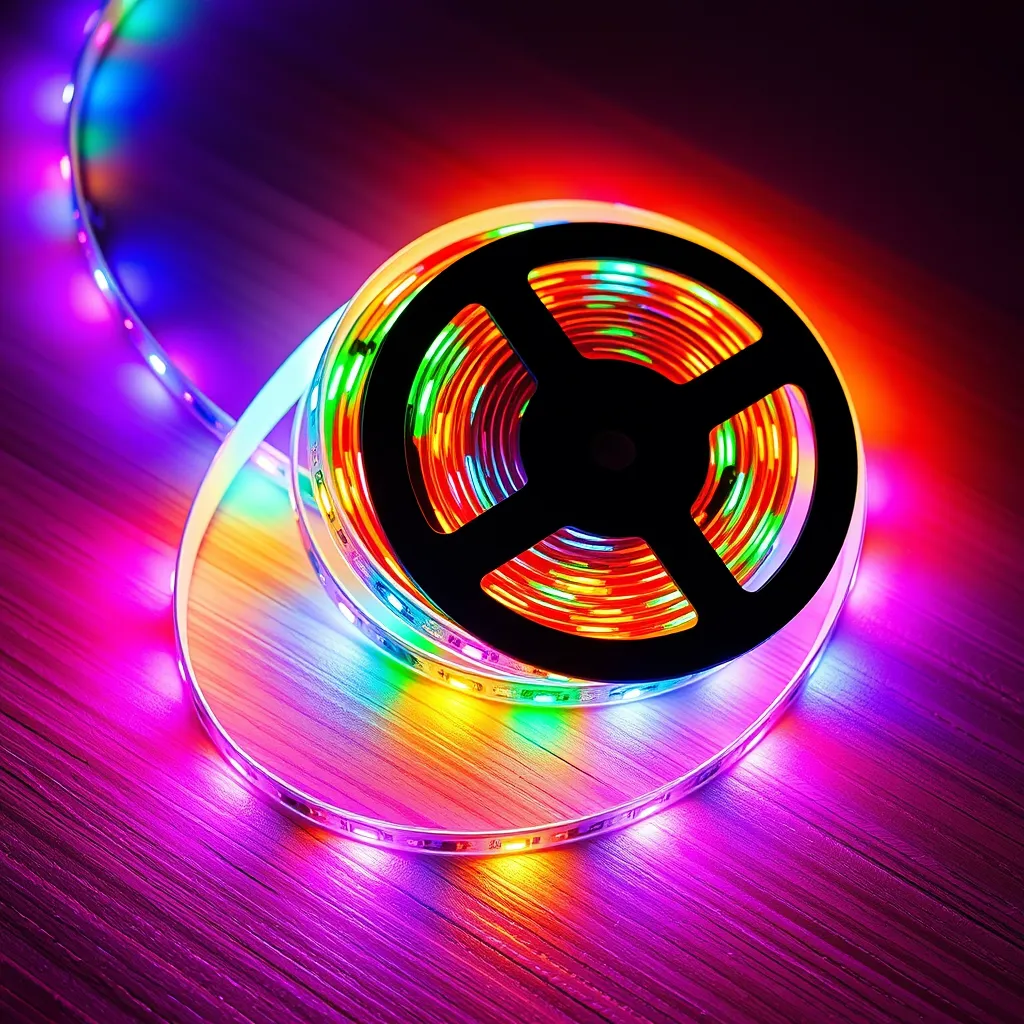
Best LED Strip Lights: Top 7 Picks for Every Room and Budget
Best LED strip lights for 2026: Govee RGBIC, Philips Hue, and Flexfire compared for bedrooms, smart homes, and high-CRI lighting.
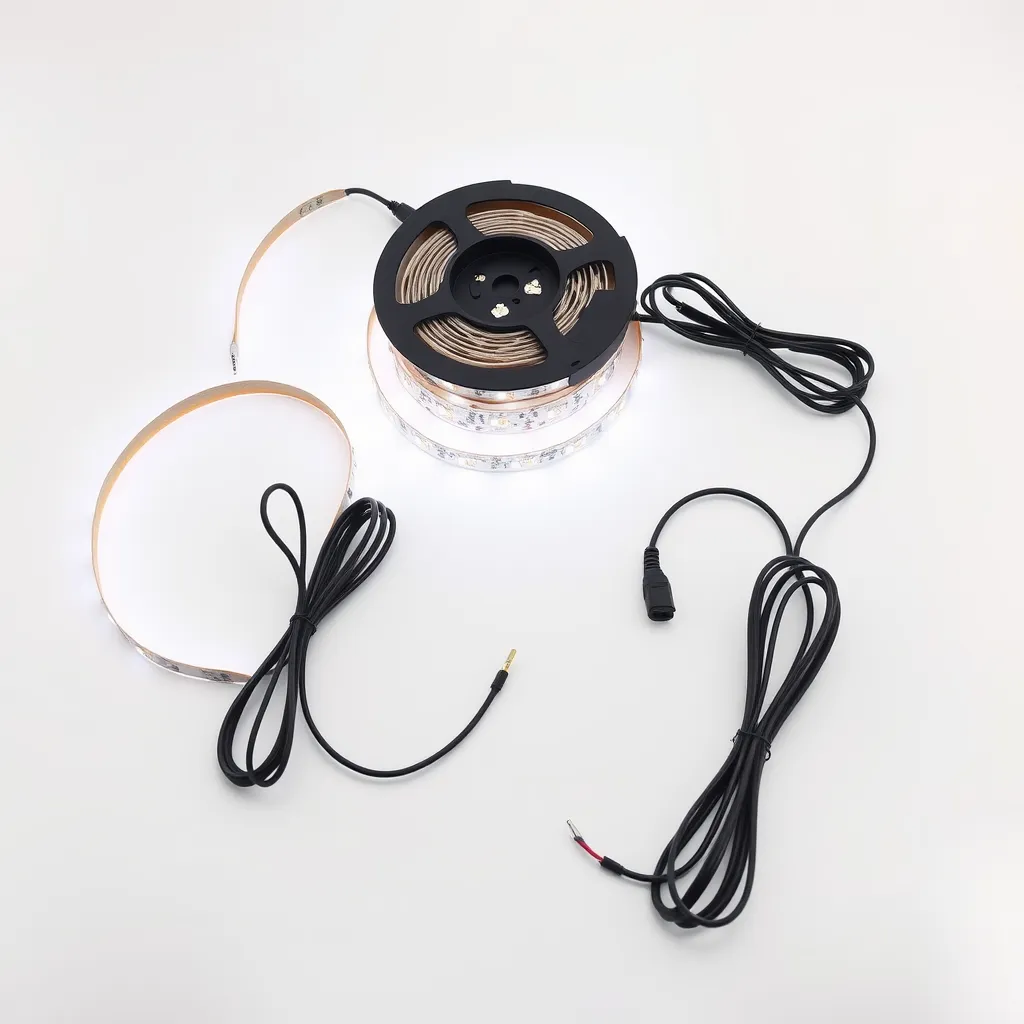
How To Wire LED Strip Lights: Step-by-Step for Beginners
Wire LED strip lights to a compatible 12V or 24V power supply. Step-by-step guide covers soldering, connectors, parallel wiring, and switches.
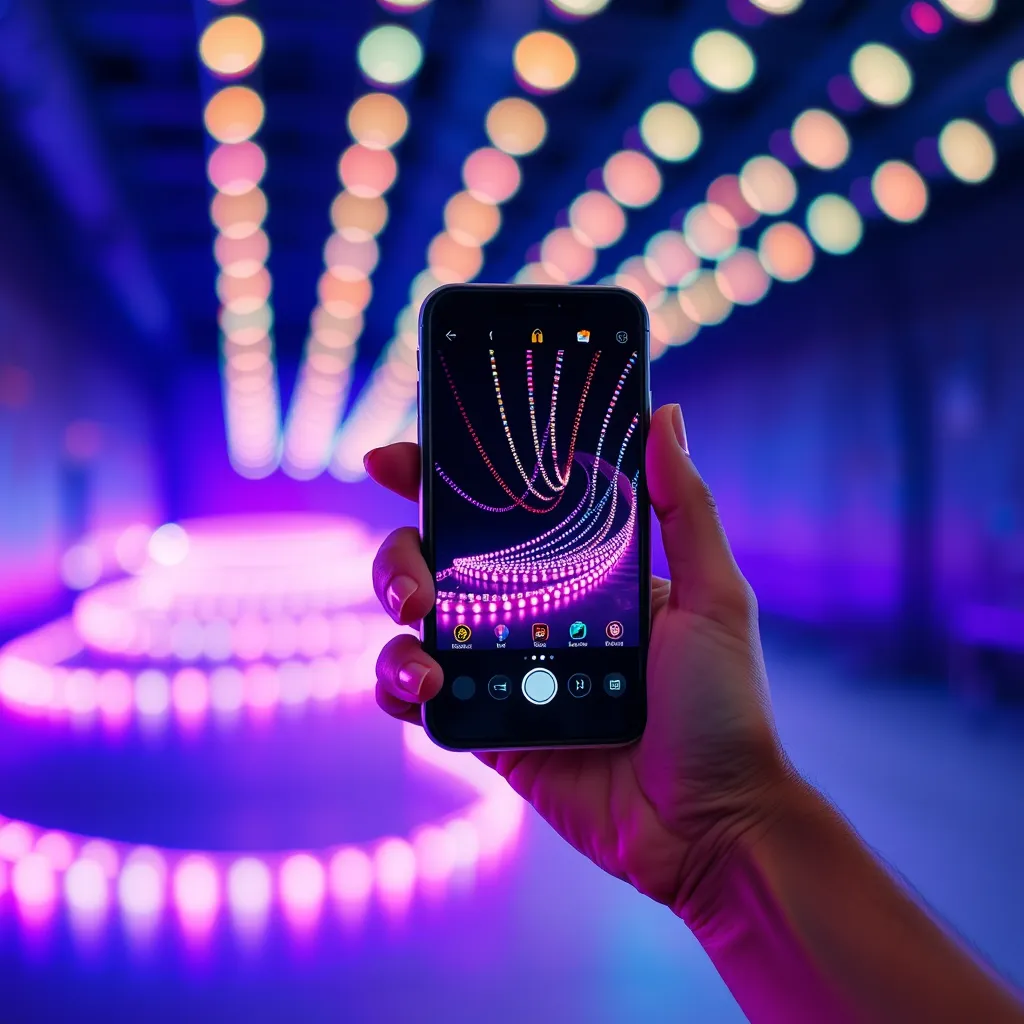
How To Connect LED Lights To Phone
Connect LED lights to your phone using the manufacturer's app over Wi-Fi or Bluetooth. Works with Govee, Philips Hue, LIFX, and most smart LED strips.
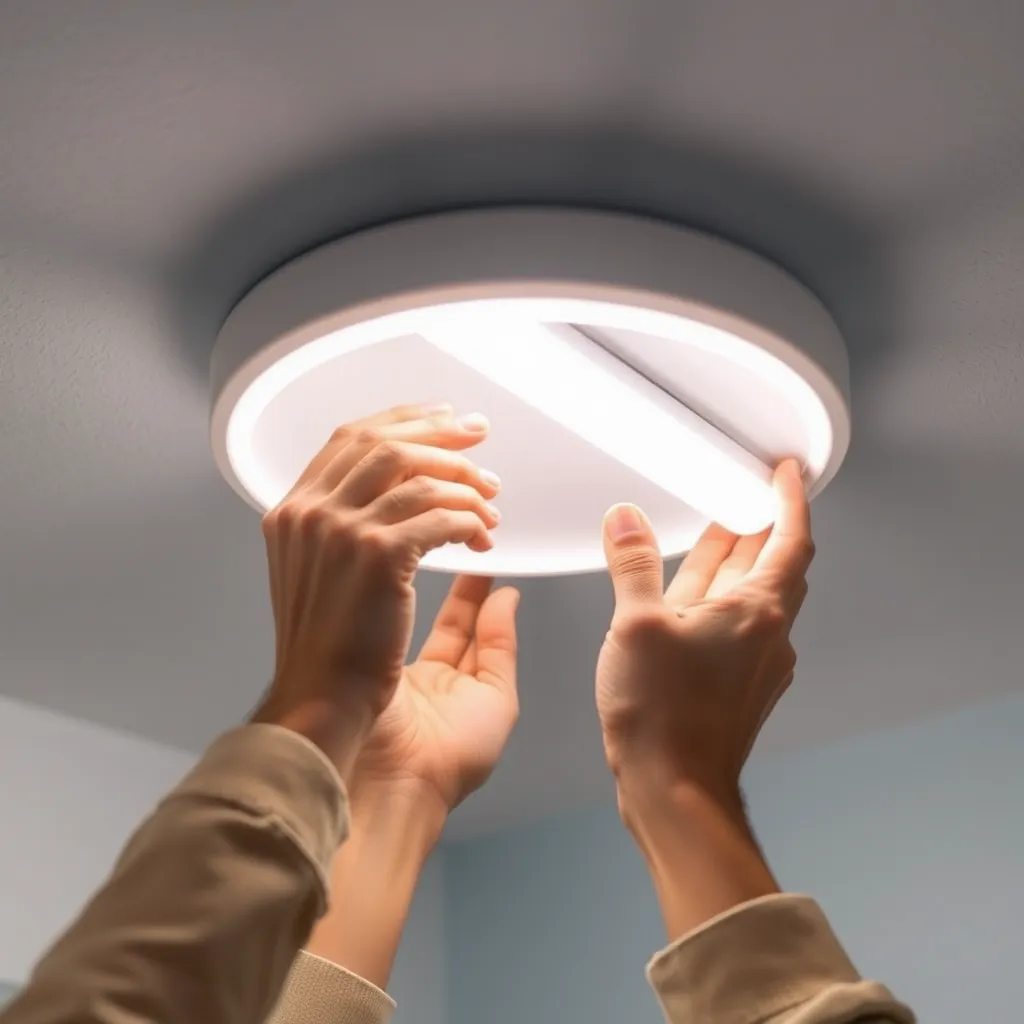
How To Convert 4ft Fluorescent Light To LED
Convert a 4ft fluorescent to LED with a plug-and-play Type A tube or ballast-bypass Type B tube. Saves 50% on energy with flicker-free light.
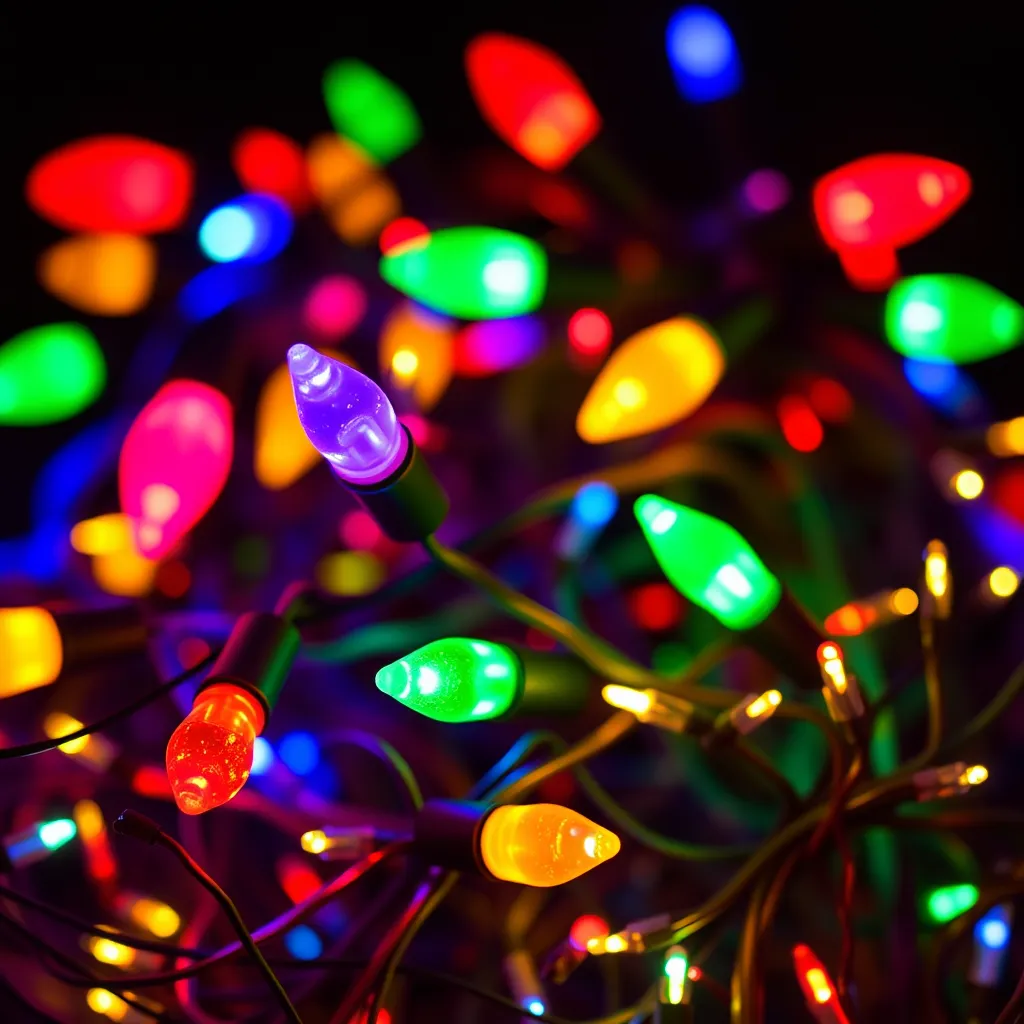
Christmas Tree Lights: LED vs Traditional
LED Christmas lights use 80-90% less energy, last 10x longer, and run cool. Incandescent costs less upfront but runs hotter and burns out fast.
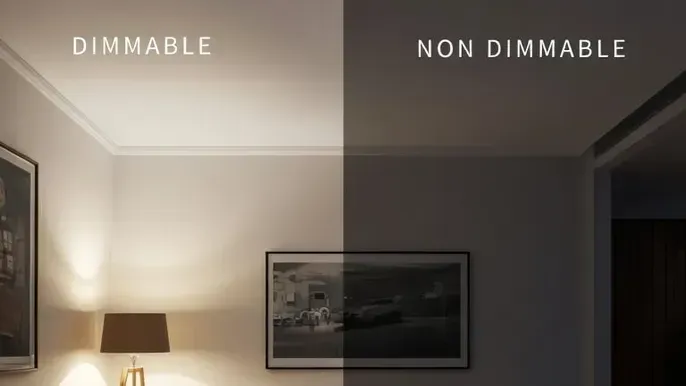
Dimmable vs Non Dimmable LED Lights
Dimmable LEDs adjust brightness 0-100% with a compatible dimmer. Non-dimmable LEDs cost less but flicker on dimmers. Key differences and costs.
LED Strip Lights Turn Blue When Powered Off- LedLightsGeek
LED strips turning blue when off is caused by residual current leaking through the controller. Fix it with a relay switch or bleeder resistor.
How To Reset LED Lights- LedLightsGeek
Reset LED lights by power cycling (off for 10 seconds), factory resetting smart bulbs with on/off sequences, or re-pairing the strip controller or remote.
How To Fix LED Ceiling Light- LedLightsGeek
Fix LED ceiling lights- flickering, buzzing, dimming, or not turning on-by checking drivers, wiring, or dimmers. Quick, simple repair tips.
How Long Do LED Christmas Tree Lights Last? LedLightsGeek
LED Christmas tree lights last 50,000-75,000 hours (25-40 seasons). Real lifespan is 7-15 seasons due to wire wear and storage damage.
How to Install LED Lights in Car- LedLightsGeek
Install LED lights in your car with plug-and-play strips or bulb swaps for headlights, taillights, dome lights. DIY guide included.
How To Fix LED Lights: 7 Common Problems Solved
Fix LED lights by checking the power supply, replacing the driver, or repairing solder joints. Step-by-step solutions for common LED issues.
COB Light vs LED: What's the Difference? LedLightsGeek
COB (Chip on Board) is an LED packaging type where multiple LED chips are mounted on one substrate for denser, uniform light than SMD LEDs.
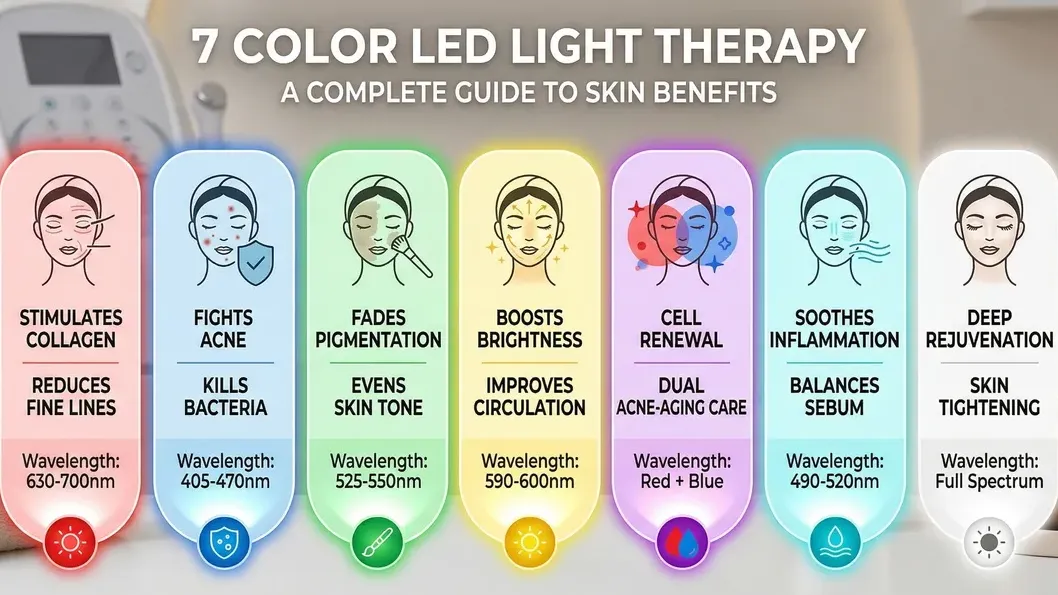
7 Color LED Light Therapy How to Use - LedLightsGeek
7-color LED light therapy: red for anti-aging, blue for acne, green for pigmentation, yellow for redness, and more. Full guide to each color.
How Are LED Lights Made- LedLightsGeek
LED lights are made by growing semiconductor crystals, cutting into chips, adding phosphor, mounting on substrates, and assembling.