LED Knowledge
How LEDs work, lifespan, energy use, and troubleshooting.
Browse Topics
Start Here — Complete Guide
How Many Watts Do LED Lights Use? Complete Wattage Chart
LED lights use 2 to 20 watts depending on type. A 60W-equivalent LED bulb uses only 8-10 watts. See the full wattage chart for bulbs, strips, and fixtures.
More Articles
35 articles
Can LED Lights Cause a Fire? Facts and Safety Tips
The risk is very low, but cheap drivers, bad wiring, enclosed fixtures, and power surges can make LEDs unsafe. Here's how.
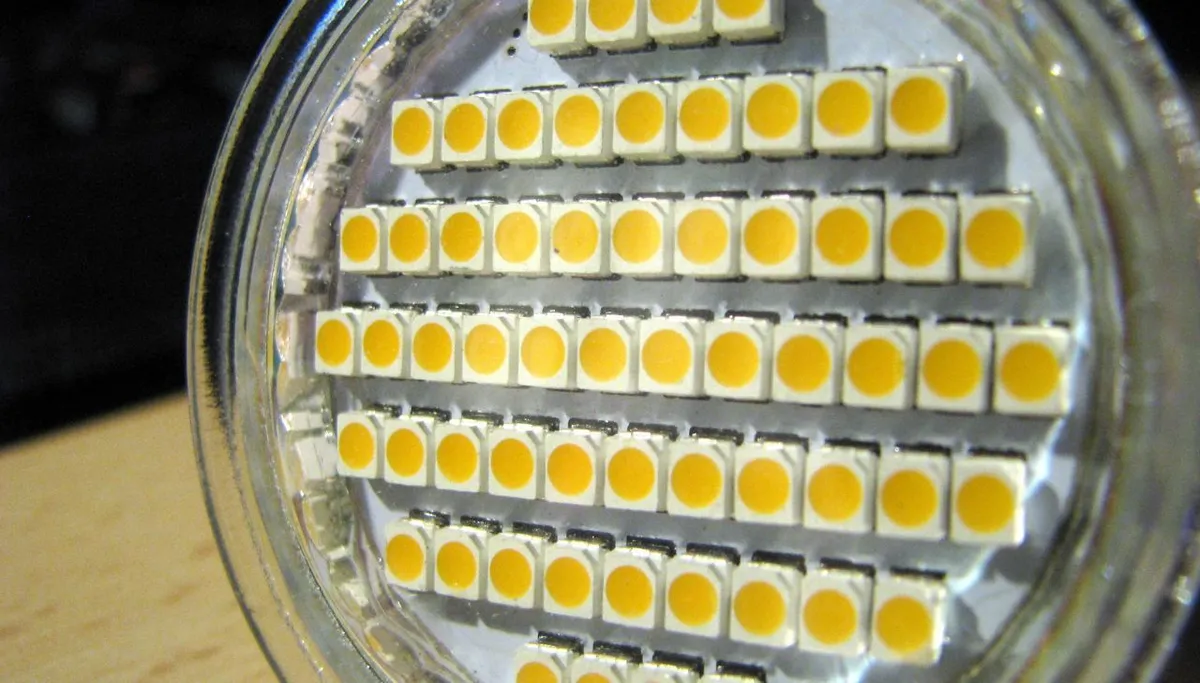
What Is an SMD LED? A Comprehensive Guide
What is an SMD LED? It's the surface-mounted chip inside most strips and bulbs. Learn what 2835, 3528, and 5050 mean, and SMD vs COB.
How to Make LED Lights Brighter (6 Easy Ways)
How to make LED lights brighter: pick higher lumens, go cooler in color, use the right power supply, add reflectors, and clean your fixtures.
How to Make Rose Gold on LED Lights (Without the Muddy Pink)
To make rose gold on LED lights: set a warm pink (RGB 255,160,150 / #FFA096), dim to about 50%, and diffuse it for a soft, coppery-pink glow.
How to Make Golden Hour on LED Lights
How to make golden hour on LED lights: set a warm 2,700K (or RGB 241,180,87), dim to 30-50%, diffuse it, and angle it low. Full step-by-step guide inside.
Why Do My LED Lights Turn On by Themselves
LED lights glowing when off? Learn why phantom current, smart switches & ghost voltage cause it-plus simple fixes to stop the glow.
What Is LED Light Driver - LedLightsGeek
Learn how LED drivers convert AC to DC power, the difference between constant-current and constant-voltage types, and how to pick the right one.
What Is the Lowest Watt LED Light Bulb
Discover the lowest watt LED light bulbs from 0.5W to 4W. Compare lumens, bases, and uses to pick the right energy-efficient bulb for any space.
Why Do LED Lights Hurt My Eyes
LEDs strain eyes via flicker (100-120Hz), blue light, glare, and PWM dimming. Discover the real causes and proven fixes for each.
What Bugs Are Attracted to LED Lights
LED lights attract fewer bugs than incandescent or fluorescent due to less UV. Warm-white 2700K LEDs attract the fewest insects.
How to Prevent Headaches from LED Lights
Prevent headaches from LED lights with warm 2700K-3000K bulbs, flicker-free drivers, dimmers, and diffusers. Full step-by-step guide inside now.
How Long Do LED Tennis Court Lights Last
LED tennis court lights last 50,000-100,000 hours (15-30 years of use). Replace metal halide fixtures with 60-70% savings. Full guide inside.
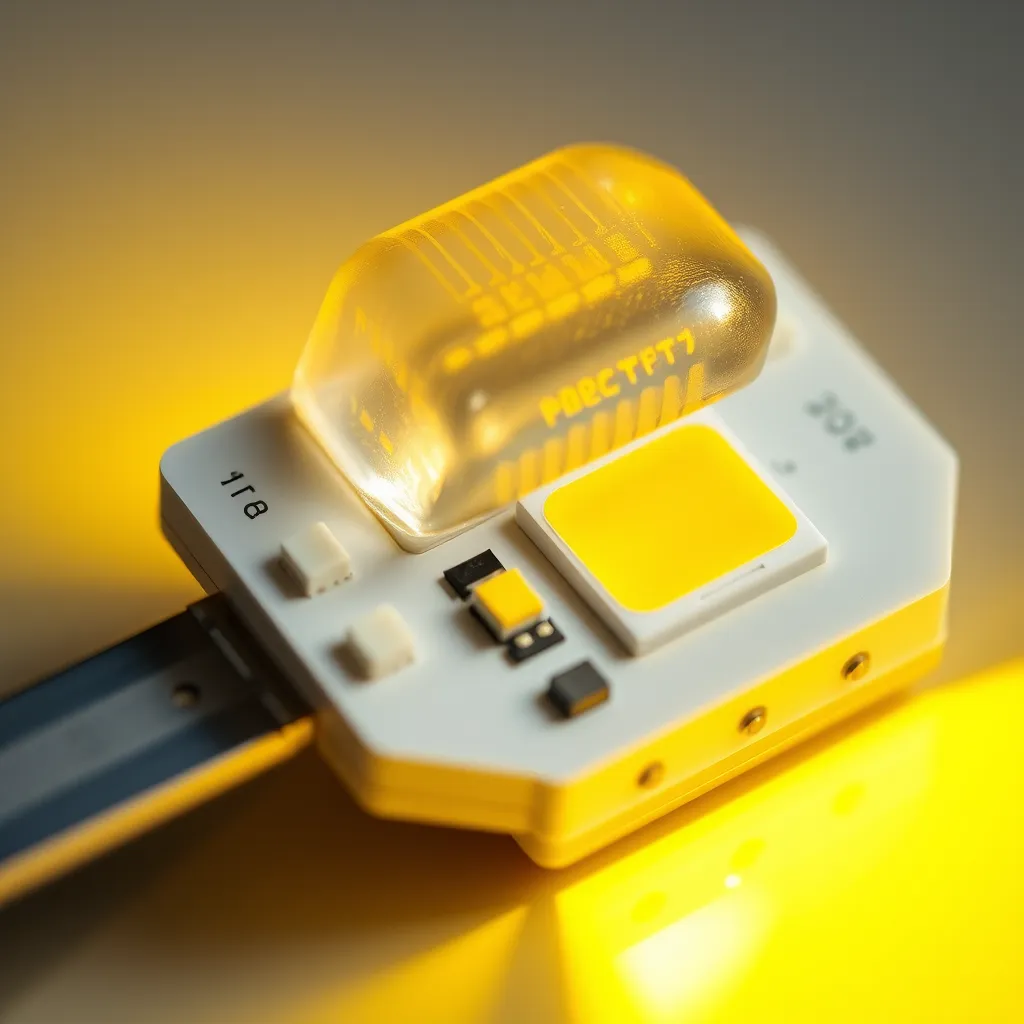
What Is a COB LED Light? LedLightsGeek
A COB LED packs multiple chips on a single substrate, creating dense, uniform light. Ideal for downlights, grow lights, and LED strips today.
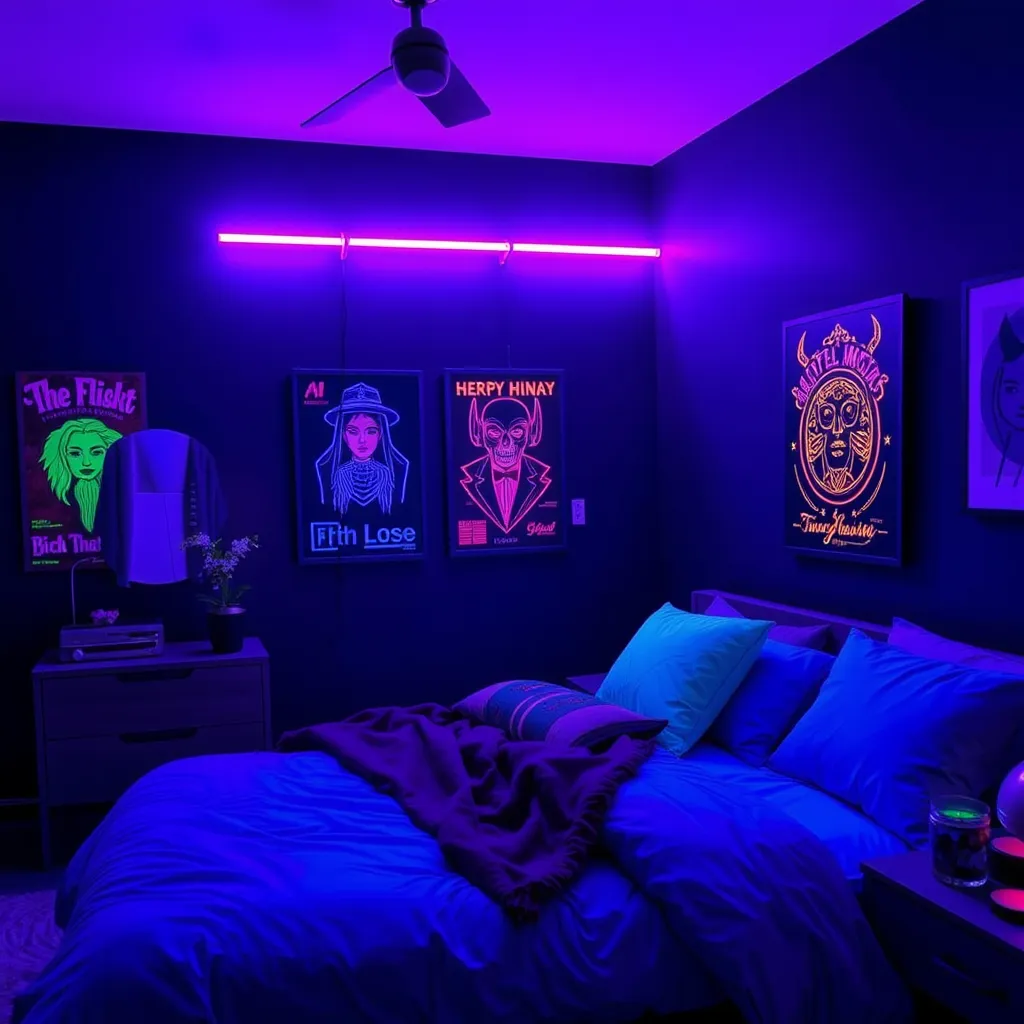
Why Can't We Have Black LED Lights?
A "black LED" is physically impossible since darkness is the absence of photons. UV-A LEDs (365-395nm) create the classic black light glow effect.
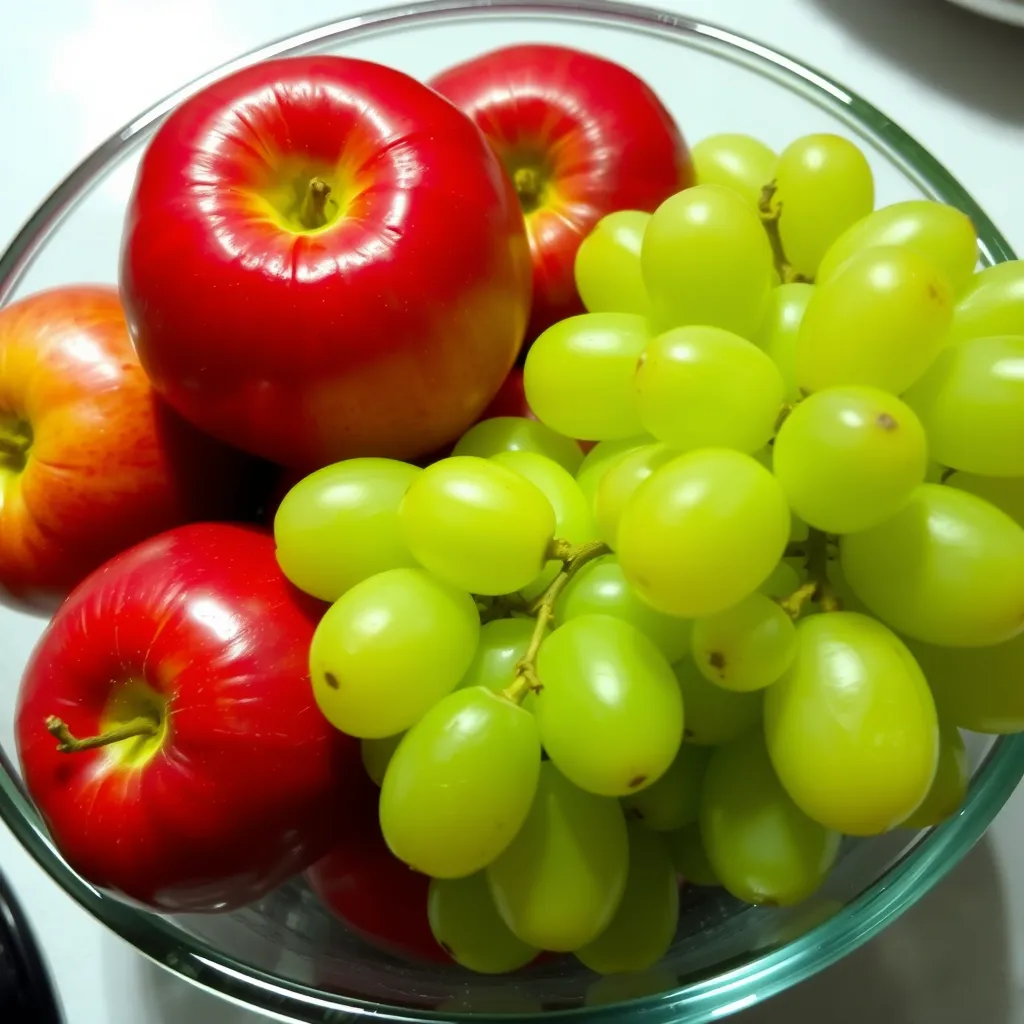
What Is CRI in LED Lighting? LedLightsGeek
CRI measures how accurately LEDs reveal true colors versus sunlight. CRI 90+ is ideal for homes, while CRI 80 is the minimum for general use.
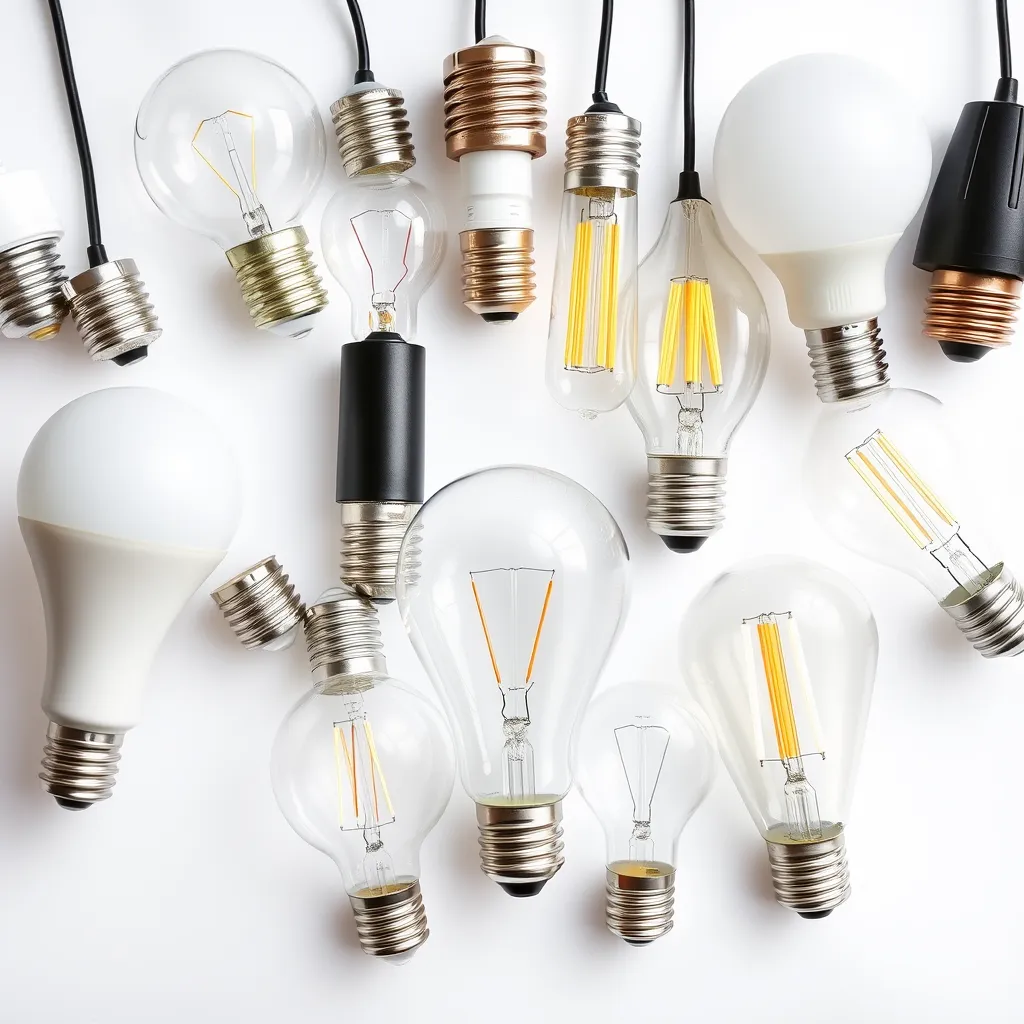
What Are LED Light Bulbs? LedLightsGeek
LED bulbs use electroluminescence for efficient lighting-75% less energy than incandescents, 25,000-50,000 hour lifespan, fits standard sockets.
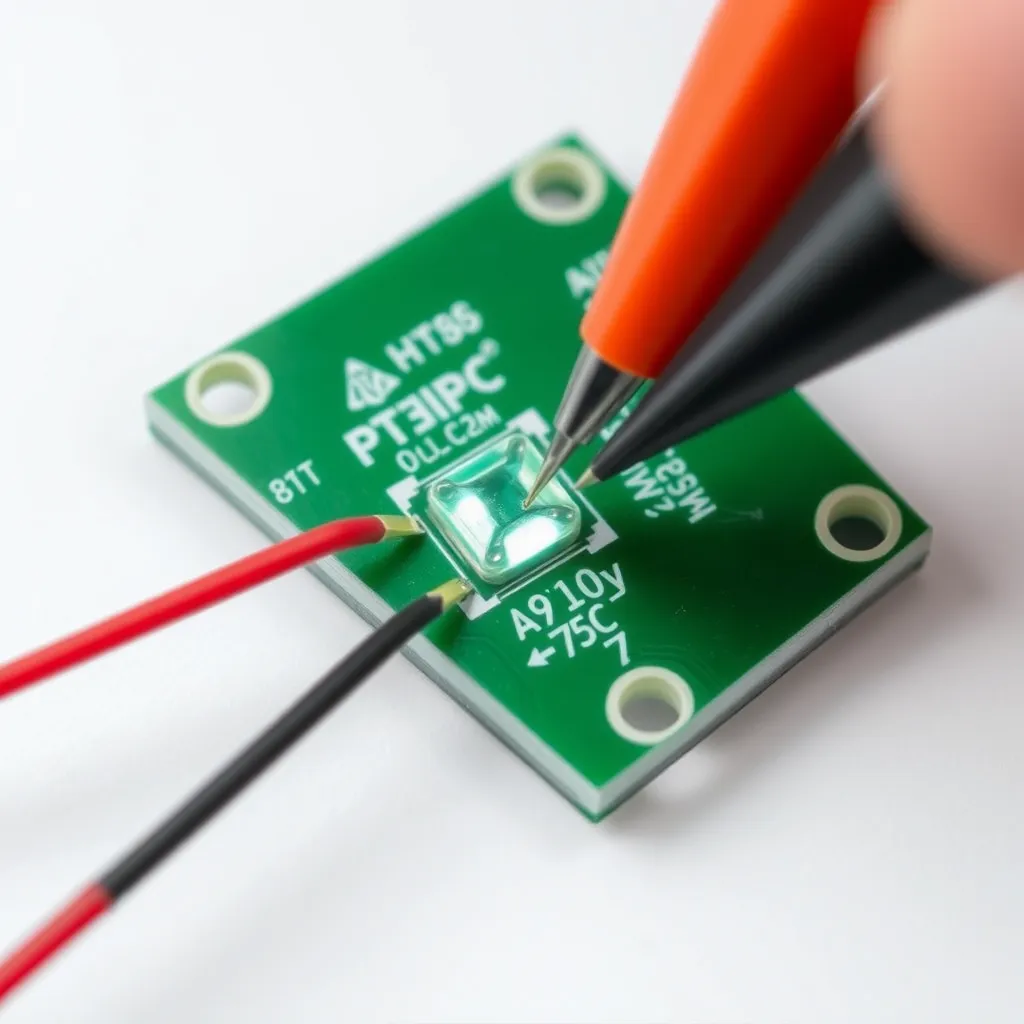
How To Test LED Lights- LedLightsGeek
Test LED lights using a multimeter on diode mode, a coin cell battery, or an LED tester. A working LED shows 1.8-3.3V and lights up briefly.
How To Fix a Flickering LED Light Bulb
Fix a flickering LED bulb by replacing the dimmer switch with an LED-compatible model, reseating the bulb, or checking for loose wiring. Most flickering is solved in under 15 minutes.
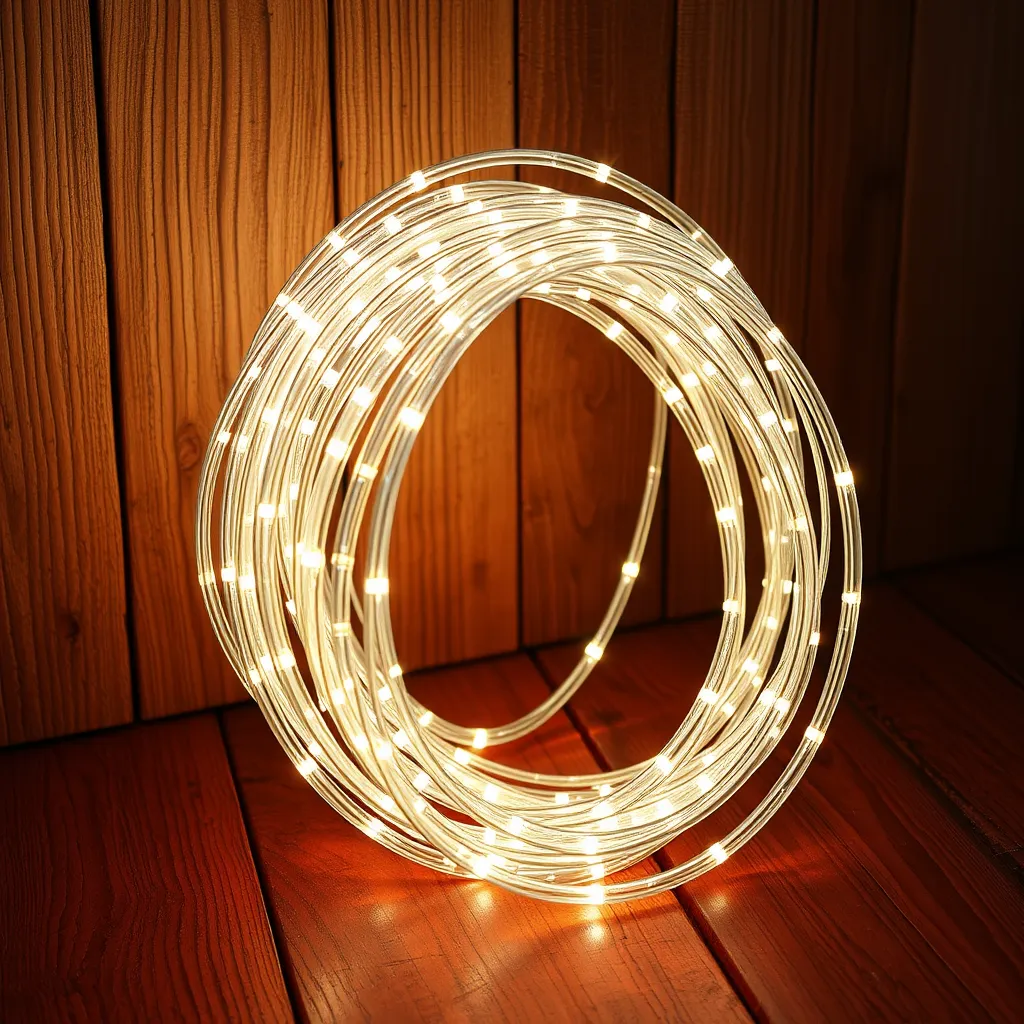
How Long Is 100 Feet of LED Lights?
100 ft (30.5 m) of LED lights - perfect for a large Christmas tree, outlining a 2,000 sq ft home, or lighting 3-4 rooms with LED strips.
What Does LED Stand For? Light Emitting Diode Explained
Learn what LED stands for and how Light Emitting Diodes work to produce energy-efficient, long-lasting light.
How Many Amps Do LED Lights Draw? LedLightsGeek
A 10W LED bulb draws 0.083A at 120V, and LED strips draw 1-5A at 12V. Amps = Watts ÷ Volts. Chart included.
How Much Electricity Do LED Lights Use?
LED bulbs use only 7-10W to match a 60W incandescent and cost just $1.26 per year running 8 hours daily of use.
How Much Do LED Lights Cost?
LED bulbs cost $2-$8 each. LED strips run $10-$40 per 16ft roll. Total ownership cost is 70-80% less than incandescent over 10 years.
How Much Electricity Do LED Lights Waste? LedLightsGeek
LED lights waste 15-20% of electricity as heat and convert about 40-50% into visible light. Incandescent bulbs waste around 90% as heat.
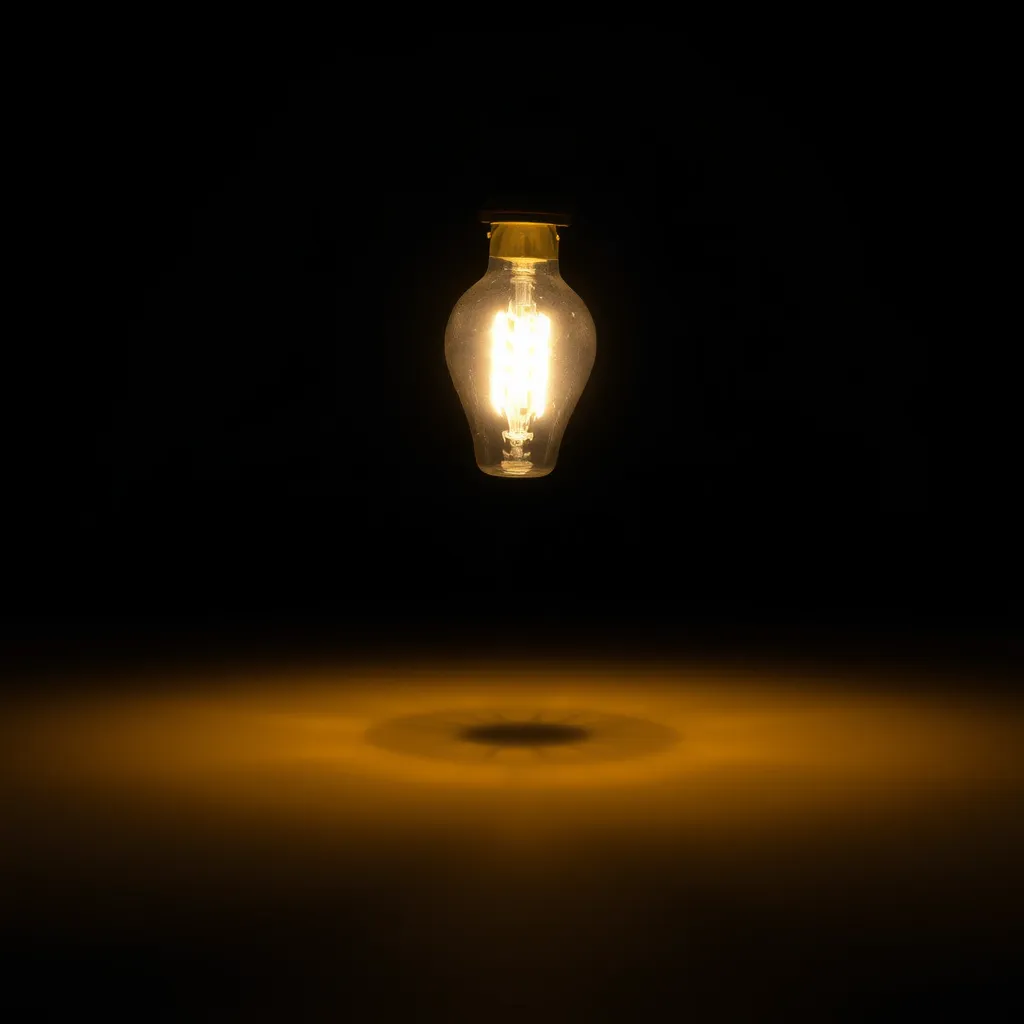
What Causes LED Lights To Flicker? LedLightsGeek
LED lights flicker from incompatible dimmers, loose wiring, voltage changes, failing drivers, low-quality bulbs, or shared neutral wiring.
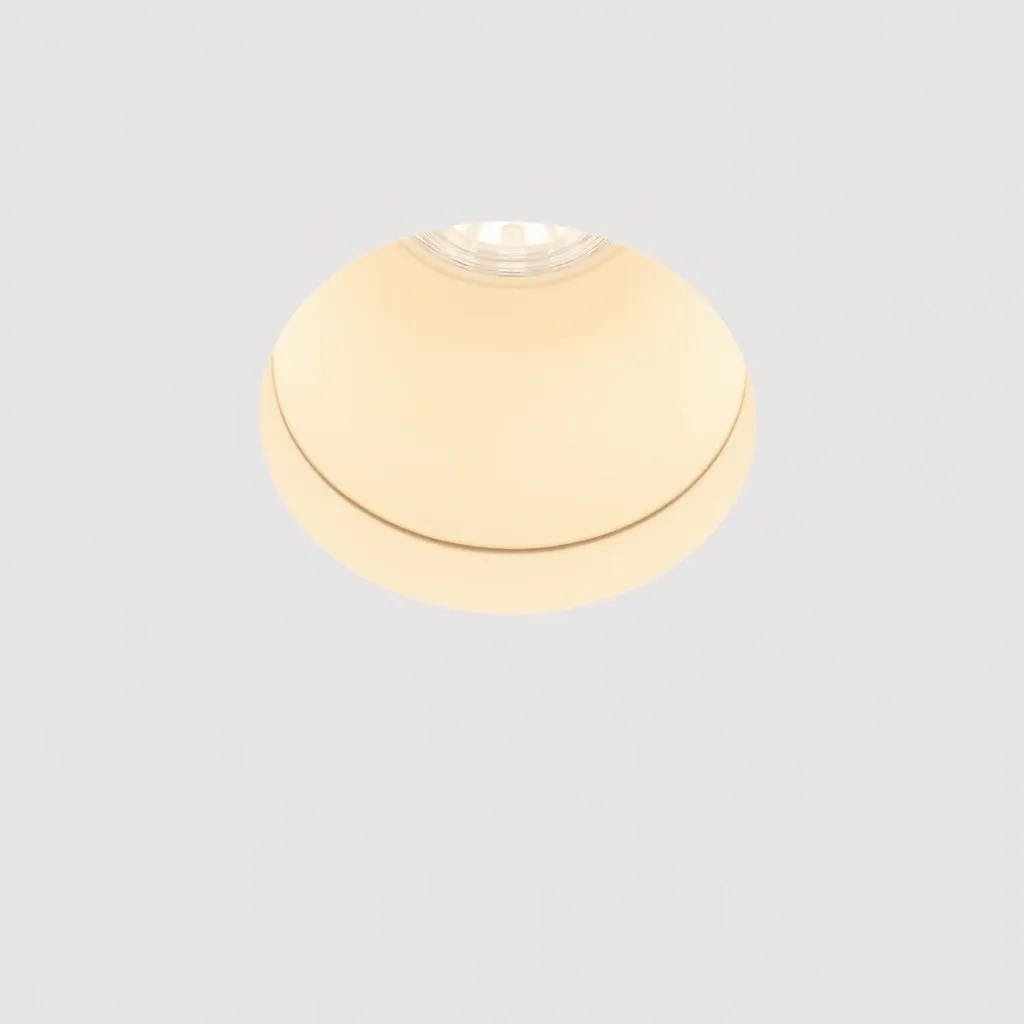
What Are Integrated LED Lights? LedLightsGeek
Integrated LED lights have the LED module built permanently into the fixture. They last 50,000+ hours but require full fixture replacement when LEDs fail. Here
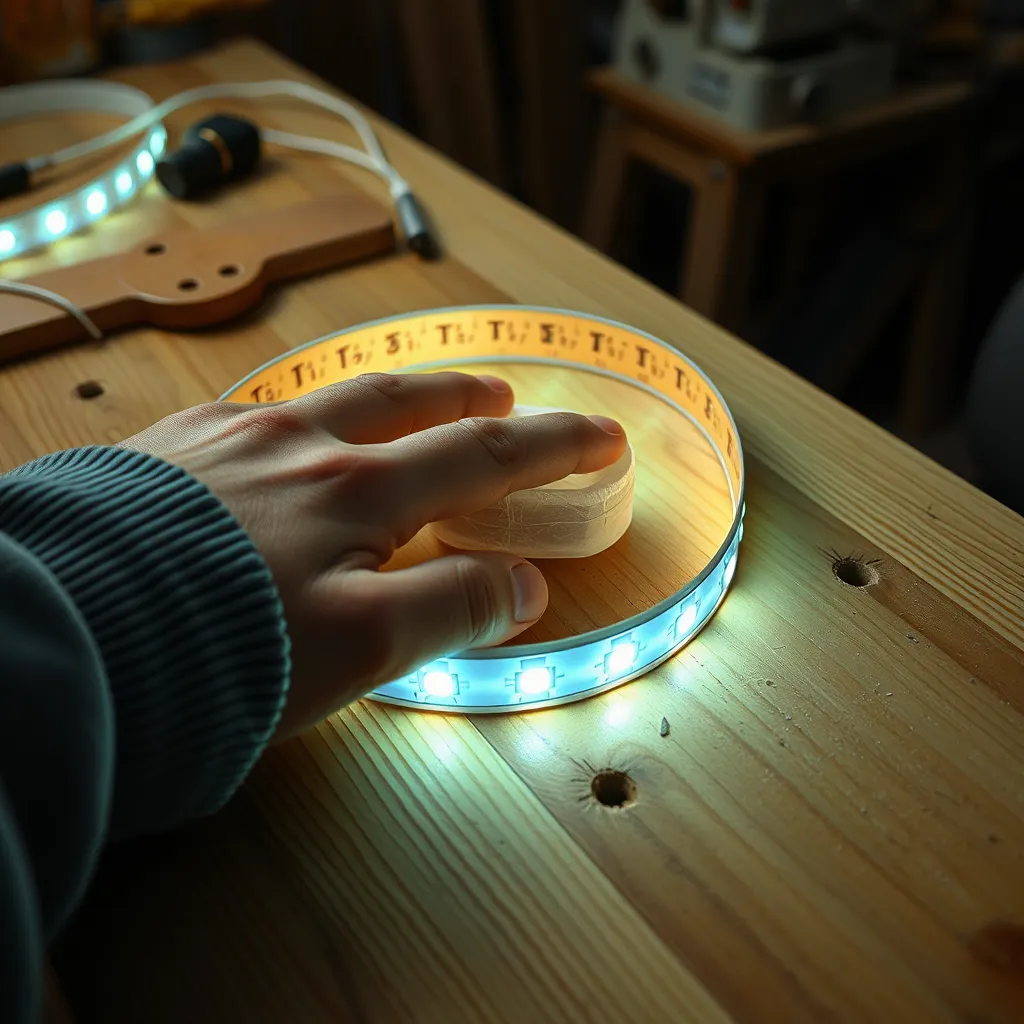
How To Fix LED Strip Lights: Troubleshooting Guide
Fix LED strips by checking power, connectors, or joints, and replace damaged sections. Troubleshoot dead spots, dim areas, and color issues.
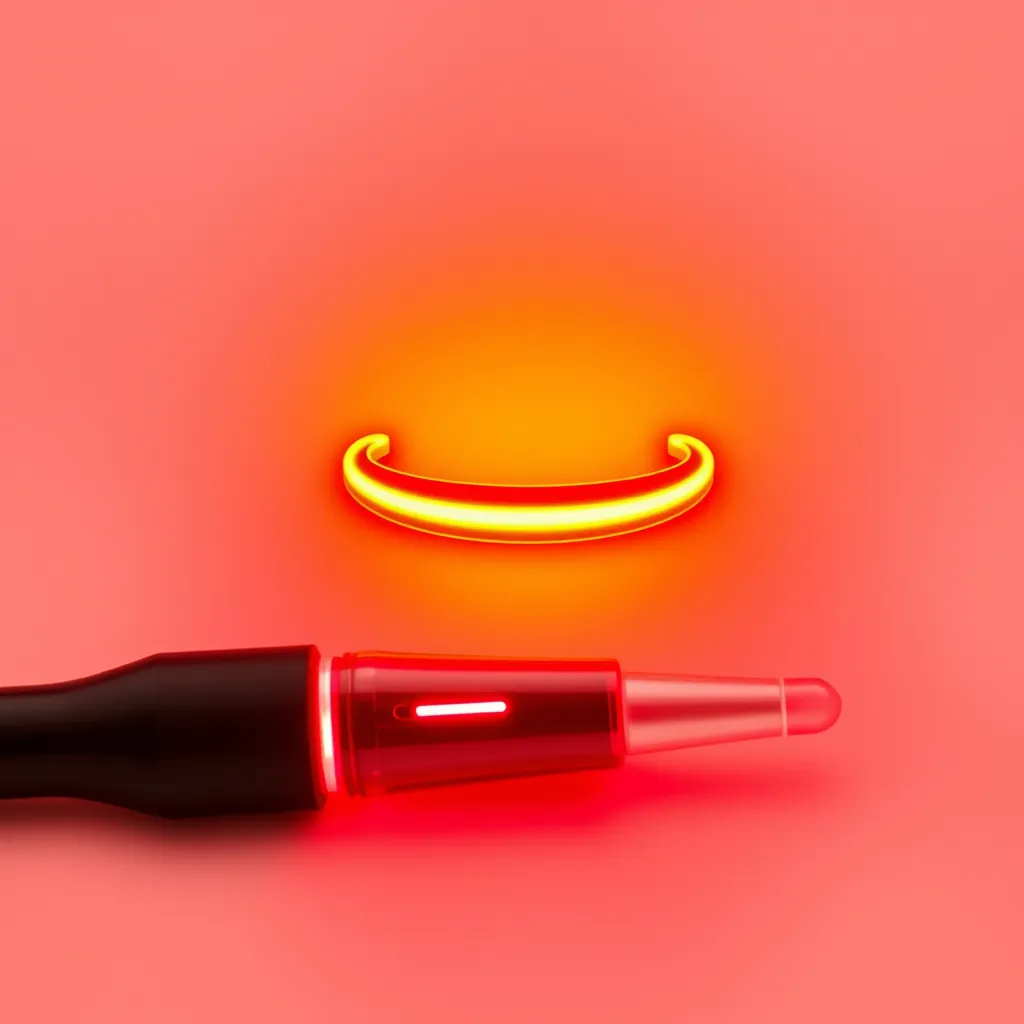
How Does Oral LED Light Lift Corners of Mouth?
Oral LED light therapy uses red and near-infrared light to boost collagen and tighten mouth muscles, gradually lifting drooping corners in 8-12 weeks.
How Many LED Lights On a 15 Amp Circuit? - LedLightsGeek
A 15A circuit can power up to 180 LED lights at 10W using the 80% rule (1,440W usable). Most homes can run all LED lighting on a single 15-amp circuit.
How To Dispose of LED Light Bulbs Safely
LED light bulbs can go in regular household trash in most areas since they contain no mercury. For eco-friendly disposal, recycle them at Home Depot, Lowe
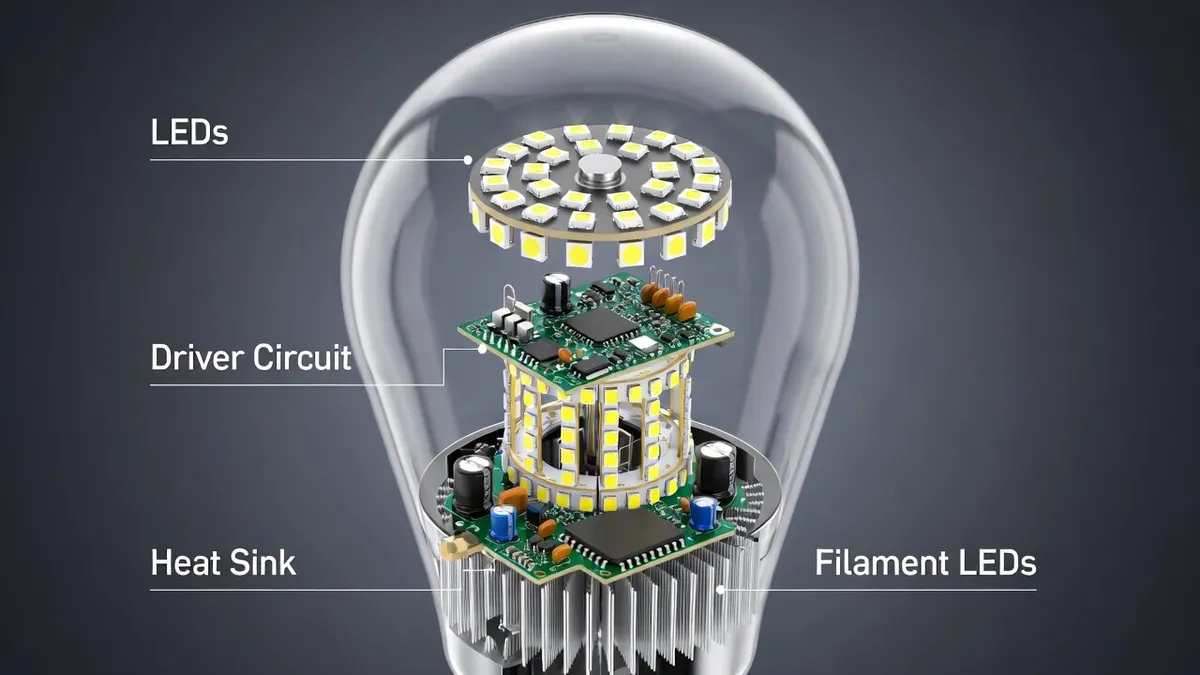
How Do LED Lights Work? The Science Made Simple
LED lights work by passing current through a semiconductor, releasing photons as visible light. This uses 75% less energy than heating a filament.
How Long Do LED Grow Lights Last- LedLightsGeek
LED grow lights last 50,000-100,000 hours (about 5-11 years). High-quality quantum boards last longer than older blurple panels.
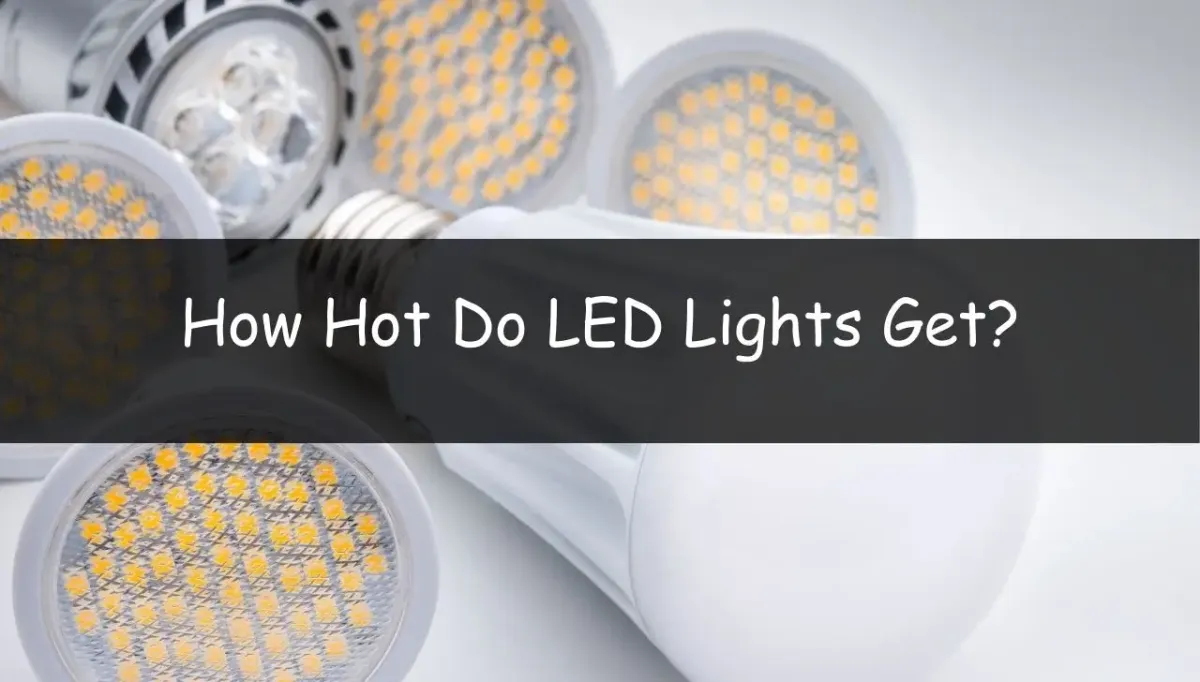
How Hot Do LED Lights Get? LedLightsGeek
LED bulbs run 100-150°F, warm but safe; incandescent bulbs exceed 400°F. LED strips stay 90-120°F. See full temperature guide by type.
How To Fix LED Lights: 7 Common Problems Solved
Fix LED lights by checking the power supply, replacing the driver, or repairing solder joints. Step-by-step solutions for common LED issues.
How Are LED Lights Made- LedLightsGeek
LED lights are made by growing semiconductor crystals, cutting into chips, adding phosphor, mounting on substrates, and assembling.