Most LED lights last between 25,000 and 50,000 hours. At typical household usage of around 8 hours per day, that translates to roughly 10 to 17 years before noticeable dimming occurs. High-end integrated fixtures can push past 100,000 hours, while budget LEDs may fall short of their rated lifespan within a few years. According to the U.S. Department of Energy, residential LEDs use at least 75% less energy and last up to 25 times longer than incandescent bulbs.
That said, a single number does not tell the whole story. LED lifespan depends heavily on the product type, operating environment, and how the manufacturer defines "lasting." Here is what the data actually shows.
LED Lifespan by Product Type
LED Type | Rated Lifespan | Real-World Estimate |
|---|---|---|
LED Bulbs (A19, BR30) | 25,000 - 50,000 hours | 10 - 20 years |
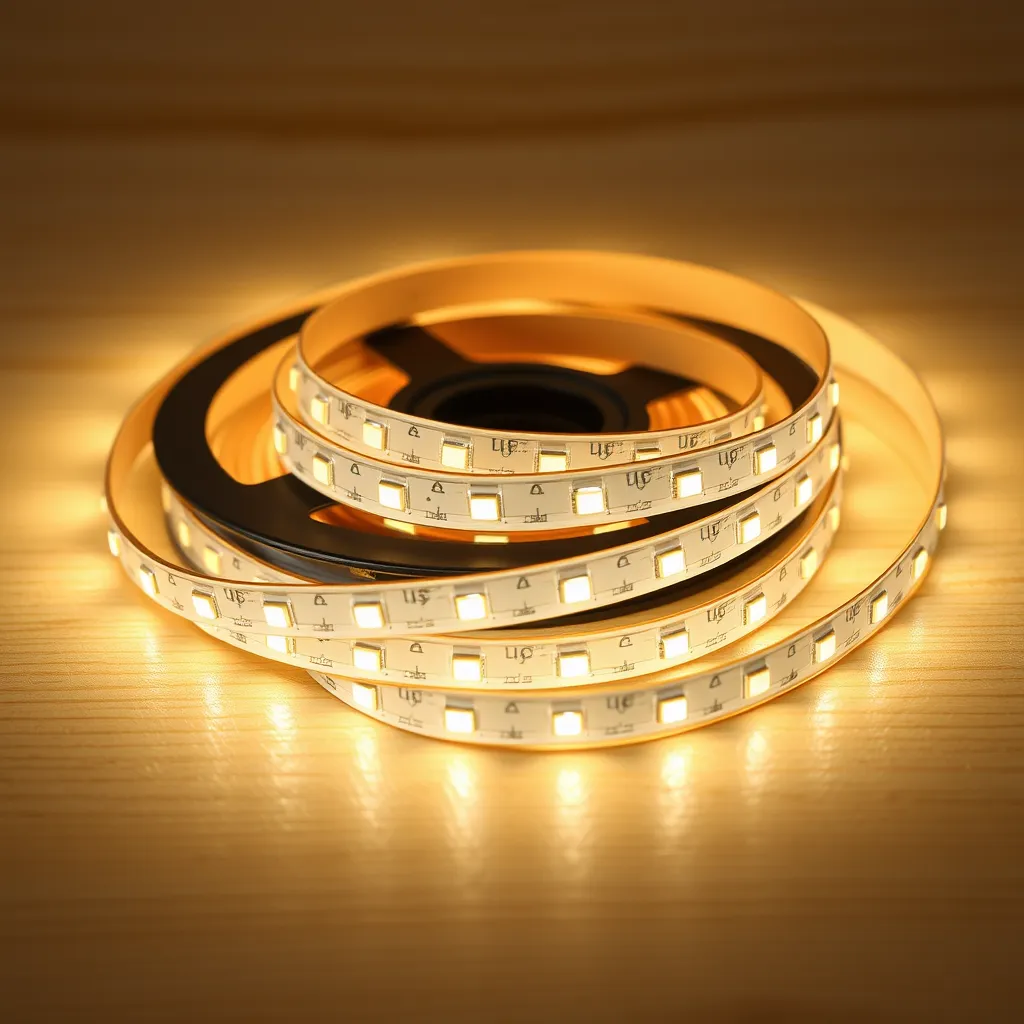
LED Strip Lights | 25,000 - 50,000 hours | 8 - 15 years |
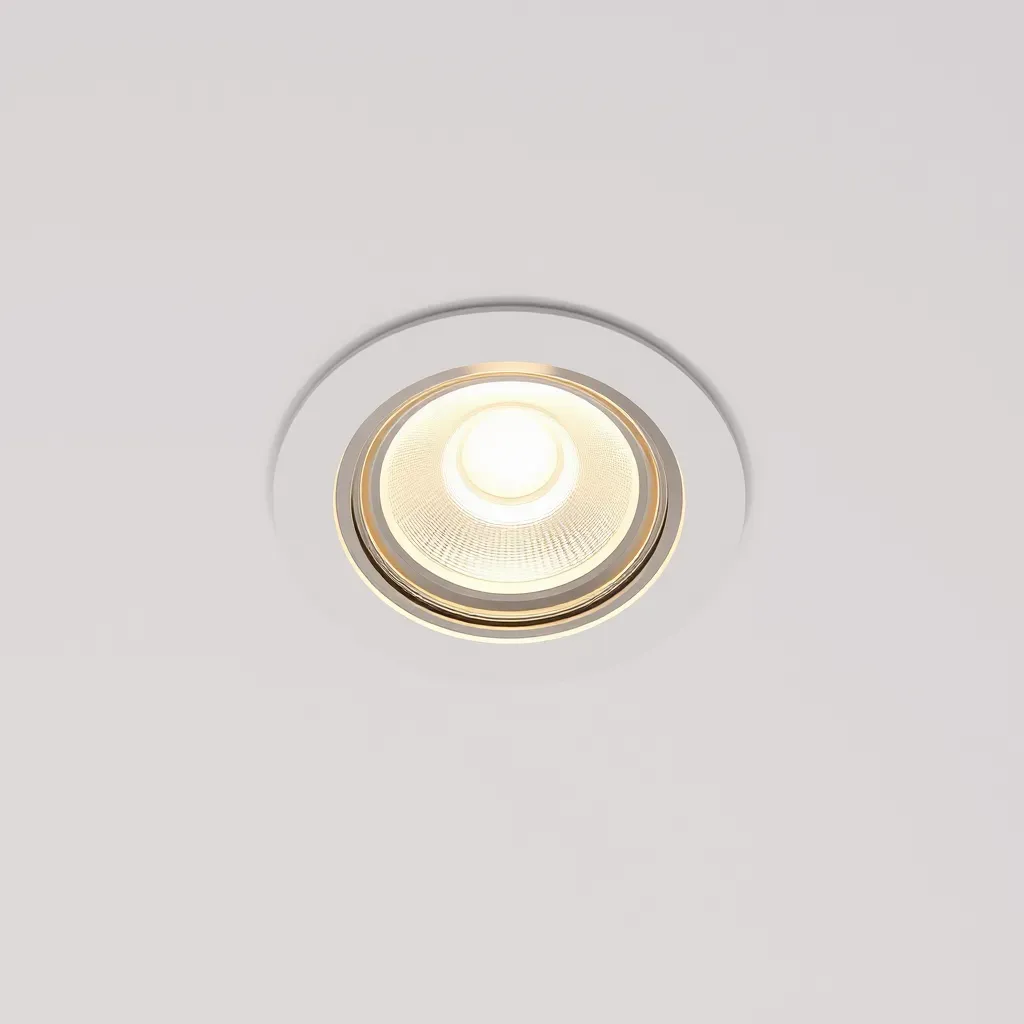
LED Ceiling & Recessed Lights | 30,000 - 60,000 hours | 10 - 20 years |
Integrated LED Fixtures | 50,000 - 100,000 hours | 15 - 30+ years |
LED Christmas Lights | 10,000 - 25,000 hours | 4 - 10 seasons |
Estimates based on 8 hours of daily use. Source data compiled from 1000Bulbs, NuWatt Lighting, and WAC Lighting.
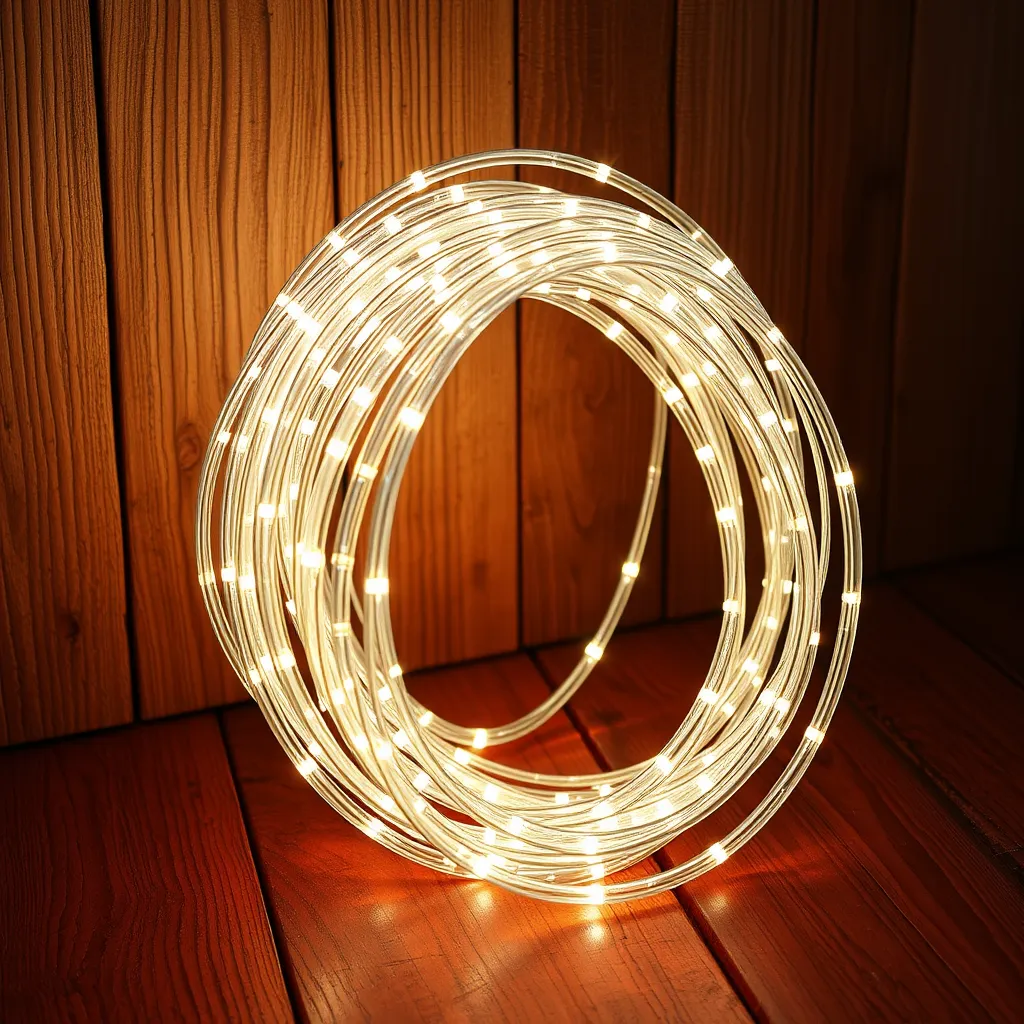
LED strip lights deserve a specific note. While the LEDs themselves are rated for 50,000 hours, the adhesive backing and solder joints often degrade faster, especially in warm environments. Running strips at 70 to 80 percent brightness instead of maximum noticeably reduces heat buildup and extends their functional life, according to Waveform Lighting.
LED Christmas lights diverge the most from their rated numbers. Outdoor exposure to UV radiation, rain, freezing temperatures, and the mechanical stress of yearly installation and takedown shortens their practical lifespan well below lab estimates. High-quality commercial-grade strings typically survive 7 to 10 seasons. Budget strings may fail after a single year (Christmas Designers).
What "50,000 Hours" Actually Means
When manufacturers rate an LED for 50,000 hours, they do not mean it will stop working at that point. Unlike incandescent bulbs, LEDs do not burn out suddenly. They gradually dim over time through a process called lumen depreciation.
The industry measures this using the L70 standard: the number of operating hours until the LED produces only 70 percent of its original light output. A bulb rated at 50,000 hours will still function at hour 50,000, but it will be roughly 30 percent dimmer than it was when new. Research indicates most people do not notice this gradual dimming until output drops below the 70 percent mark, which is why L70 became the default threshold (LED Network).
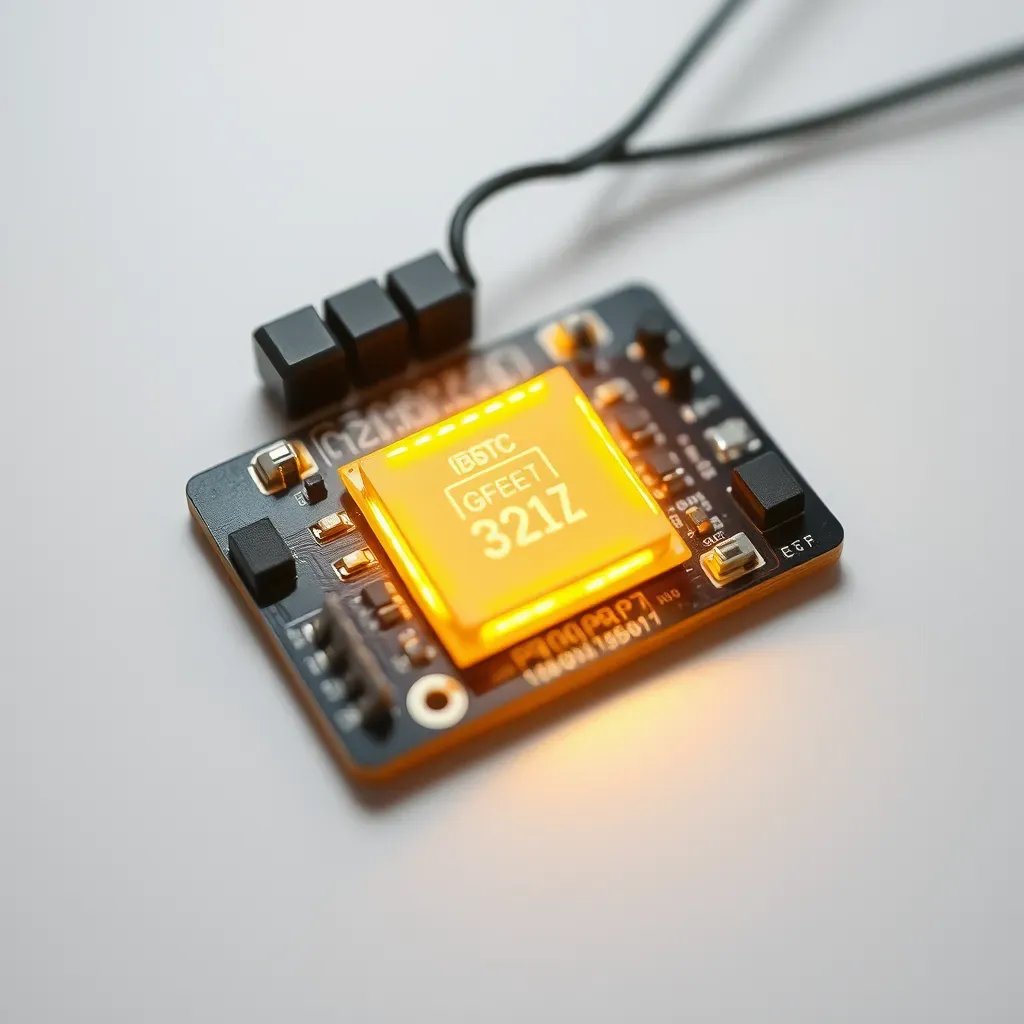
True failure, where the light flickers, shifts color, or shuts off entirely, typically results from driver failure rather than LED chip degradation. The driver is the small circuit board that converts household AC power into the DC current the LED requires, and it is the component most vulnerable to heat, voltage spikes, and low-quality manufacturing (1000Bulbs).
How LEDs Compare to Other Bulb Types
Bulb Type | Average Lifespan | Lifespan at 3 hrs/day |
|---|---|---|
Incandescent | 750 - 1,000 hours | Less than 1 year |
Halogen | 2,000 - 4,000 hours | 2 - 4 years |
CFL | 8,000 - 15,000 hours | 7 - 14 years |
LED | 25,000 - 50,000 hours | 23 - 45 years |
Sources: U.S. Department of Energy, Best Pro Lighting
One quality LED outlasts approximately 25 to 50 incandescent bulbs or 3 to 5 CFLs. LEDs also produce far less waste heat. Incandescent bulbs release 90 percent of their energy as heat, and CFLs release roughly 80 percent, while LEDs convert most of their energy into visible light. This lower thermal output is a primary reason LEDs survive so much longer: less heat means less stress on internal components (DOE).
What Shortens LED Lifespan in Practice
Heat is the dominant factor. For every 10-degree Celsius rise in junction temperature, LED lifespan drops by approximately 50 percent. An LED operating at 85 degrees Celsius may last only 25,000 hours, while the same LED at 65 degrees Celsius could reach 50,000 hours (AGC Lighting). Enclosed fixtures without ventilation, recessed cans in insulated ceilings, and warm mounting locations all trap heat and accelerate degradation.
Power quality matters more than most people realize. Voltage spikes from lightning, appliance startups, or incompatible dimmer switches can destroy LED drivers. For strip lights, using an undersized power supply forces the driver to overwork and overheat. Choosing a supply rated at least 20 percent above total strip wattage is a simple way to prevent premature failure (Flexfire LEDs).
Product quality creates the widest variance. A name-brand LED bulb with ENERGY STAR certification and a published L70 rating will typically reach its rated lifespan. A no-name bulk-pack bulb using budget-grade drivers and minimal heat sinking often will not. When evaluating LED products, look for a manufacturer warranty of at least three years and published LM-80 test data as indicators of legitimate longevity claims.
Conclusion
While the 50,000-hour benchmark is a helpful industry standard, your real-world experience will depend largely on thermal management and component quality. To get the most out of your investment, prioritize fixtures with heavy-duty heat sinks and avoid placing standard LED bulbs in airtight, enclosed housings unless they are specifically rated for that environment. Keeping the internal driver cool is the single most effective way to ensure the light reaches its full rated lifespan.
As LED technology continues to mature, the focus is shifting from simple longevity to light quality and smart integration. Future fixtures will likely offer even better heat dissipation and more robust electronic drivers, further closing the gap between lab estimates and household reality. For now, choosing reputable brands and ensuring proper ventilation remains the best strategy for a decade or more of maintenance-free lighting.
Frequently Asked Questions
Do LED lights really last 10 years?
Yes. A 25,000-hour LED used 8 hours per day lasts approximately 8.5 years. At 3 hours per day, the same bulb lasts over 22 years. The U.S. Department of Energy confirms that residential LEDs last up to 25 times longer than incandescent alternatives (DOE).
How long do integrated LED ceiling lights last?
Integrated LED ceiling fixtures, where the LED module is built directly into the fixture, typically last 50,000 to 100,000 hours. Their factory-optimized thermal design with built-in heat sinks and calibrated drivers gives them the longest lifespan of any residential LED product, often 15 to 30 years under normal use (WAC Lighting).
Why did my LED burn out early?
Premature LED failure is almost always caused by overheating in an enclosed or poorly ventilated fixture, an incompatible dimmer switch stressing the driver, a power surge, or a low-quality product with substandard components. The LED chip itself rarely fails before the driver does.
How long do LED Christmas lights last?
Commercial-grade LED Christmas strings typically last 7 to 10 seasons with proper care. Mid-range retail strings average 4 to 7 seasons. The DOE notes LED holiday strings could theoretically last over 40 seasons under ideal conditions, though real-world outdoor exposure significantly reduces this (DOE). Storing strings indoors in a cool, dry location between seasons helps maximize their lifespan.