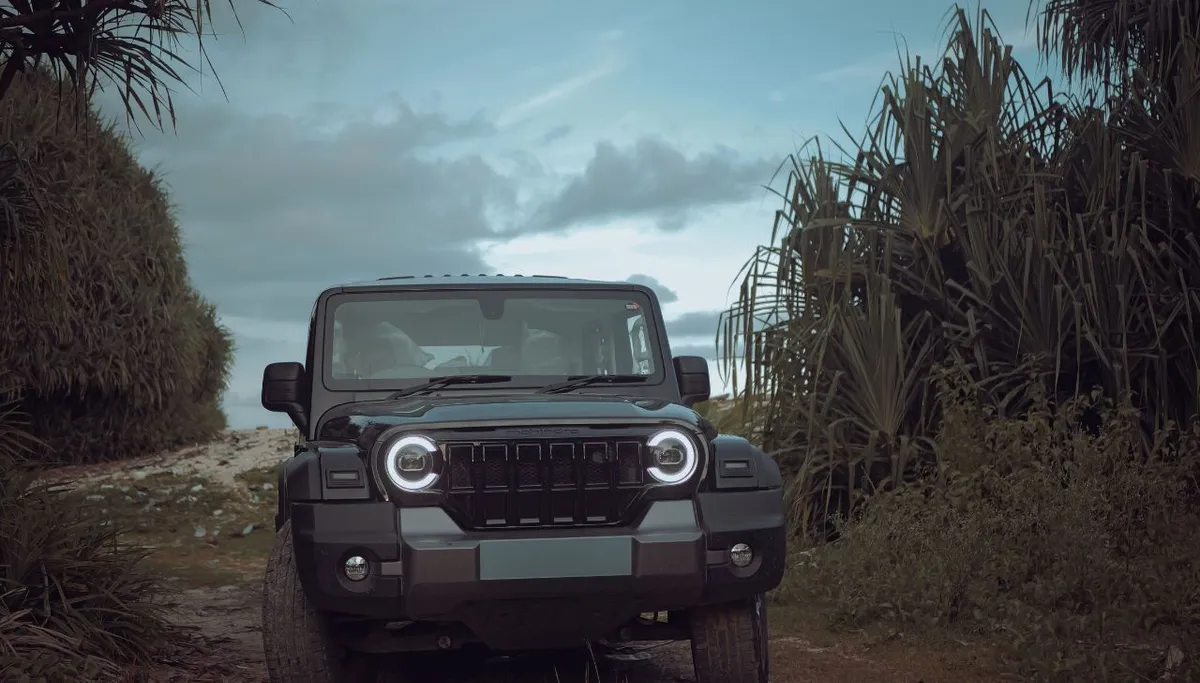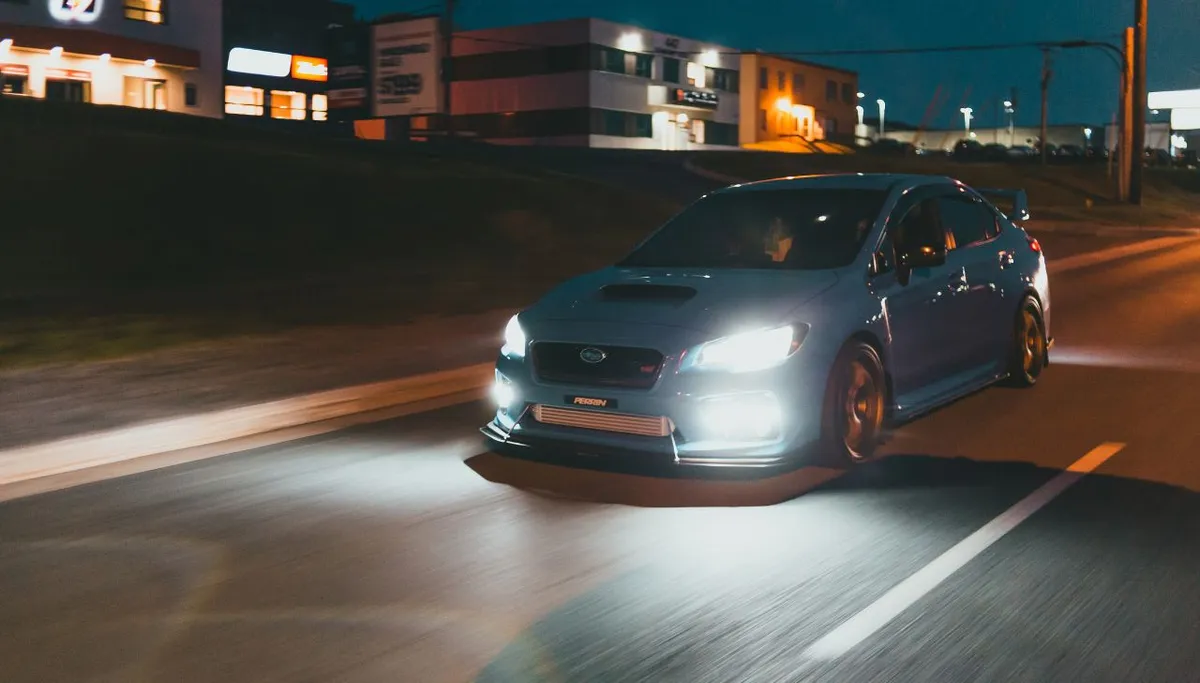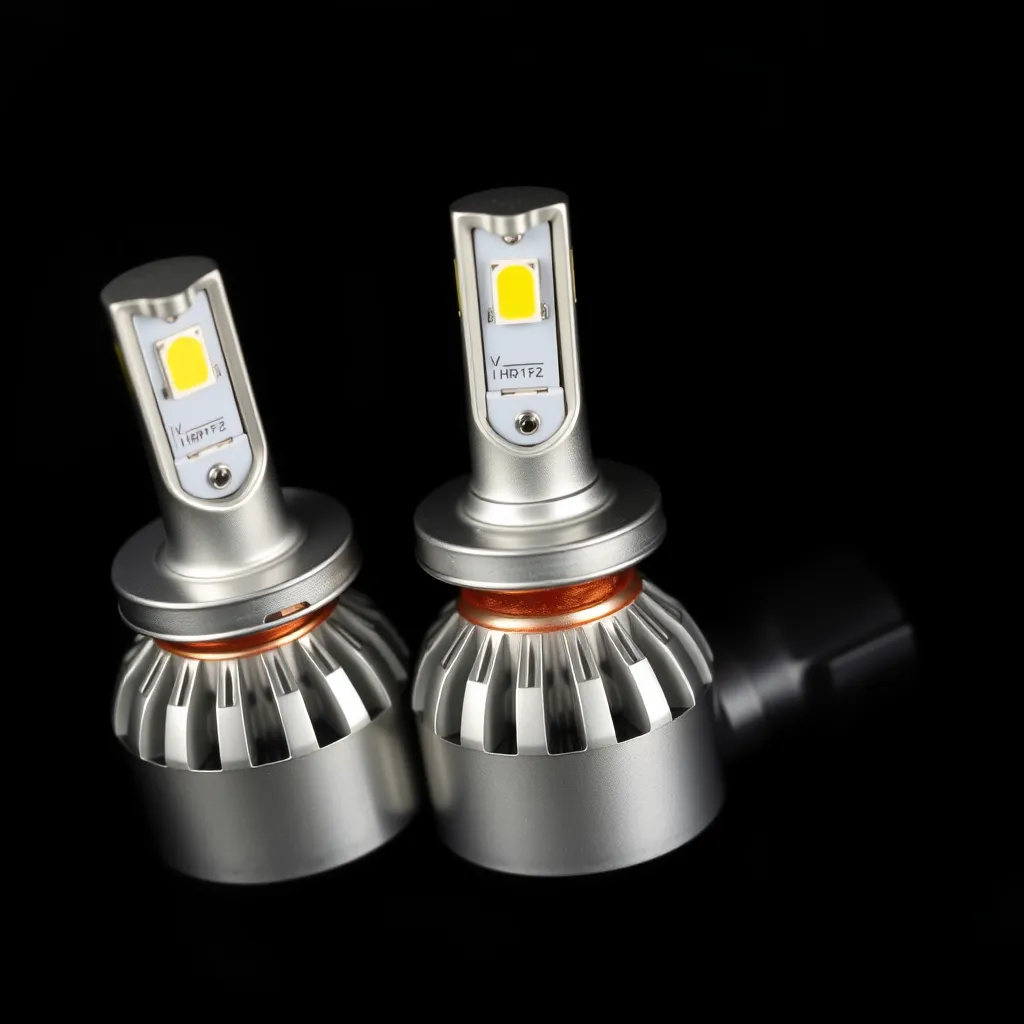
Upgrading your factory H7 halogen low beams to LED is the single most transformative night-driving improvement you can make to a vehicle that uses the H7 bulb socket. Stock H7 halogen bulbs produce roughly 1,350 lumens of dim yellow light; a quality H7 LED upgrade delivers a clean 6500K white beam with three to four times more usable road illumination. We compared the top-rated H7 LED bulbs on the market - evaluating brightness, beam pattern, cooling, build quality, and real-world value - so you can pick the one that fits your vehicle and budget.
Bulb | Best For | Color Temp | Cooling | Rating | Price | |
|---|---|---|---|---|---|---|
Fahren 26S H7 | Best Overall | 6500K | Fan (copper) | 4.2 (118) | ~$40 | |
SEALIGHT S2S H7 | Best Beam Pattern | 6500K | Fan (copper) | 4.4 (1,144) | ~$31 | |
BEAMTECH H7 | Best Fanless | 6500K | Fanless (aluminum) | 4.4 (7,908) | ~$40 | |
Cougar Motor K16 H7 | Best No-Adapter Fit | 6500K | Fan (aluminum) | 4.3 (855) | ~$44 |
Fahren 26S H7 LED Bulbs
Pick #1 - Best Overall H7 LED
6500K Cool White | Real 1:1 Mini Size | CANbus-Ready | Copper Fan Cooling | Pack of 2
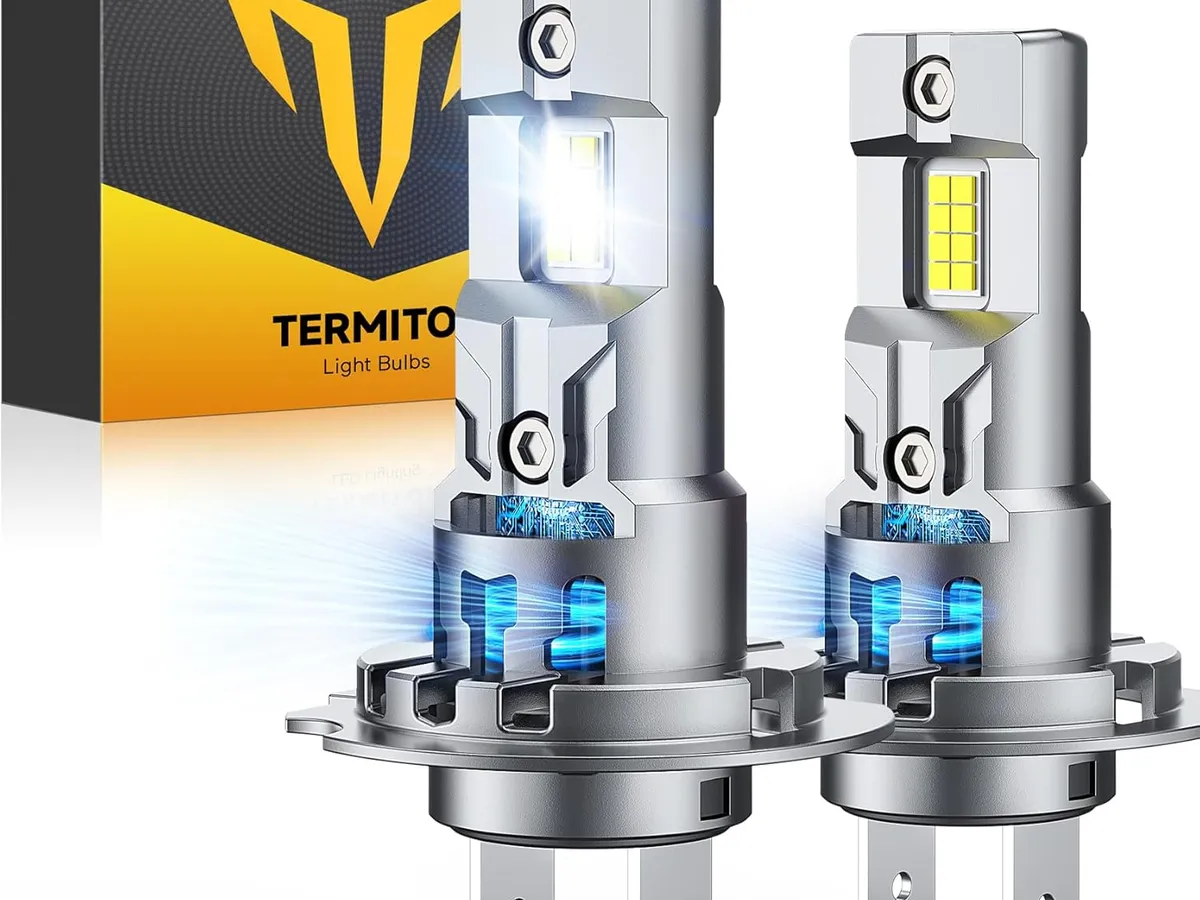
The Fahren 26S is our top pick because it nails the three things that matter most in an H7 LED upgrade: a true 1:1 halogen-sized body, an accurately focused beam pattern, and reliable cooling. It uses 16 automotive-grade CSP chips to produce a crisp 6500K cool white output, and the all-in-one design eliminates the bulky external driver boxes that make so many LED bulbs impossible to fit under a stock dust cover. For most vehicles this is a genuine plug-and-play swap with no wiring, trimming, or modification needed.
Where the Fahren pulls ahead of cheaper options is beam control. Fahren engineered the chip placement to replicate the original OEM filament position, which produces an ultra-focused beam with a sharp cutoff line and no scattered glare into oncoming traffic - the single biggest failure point of low-quality H7 LEDs. Built-in smart IC decoding makes it CANbus-ready for the vast majority of vehicles, and a copper-bodied design with an integrated cooling fan keeps operating temperatures stable for long-term brightness retention.
Why It's Famous: The Best Beam Pattern, Done Right
Plenty of H7 LEDs claim huge lumen numbers, but raw output means nothing if the chips sit in the wrong place and throw light everywhere except the road. The Fahren 26S consistently produces one of the cleanest, most properly focused beam patterns in the aftermarket H7 category - which is why it's our overall recommendation for both reflector and projector housings. The 300%-plus brightness increase over stock halogen is immediately obvious on the first night drive.
At around $40 it is not the cheapest bulb on this list, but it is the one we'd put in our own car. A few vehicles with premium diagnostic systems may still need an external decoder, and some H7 platforms (VW, BMW, Mercedes, Hyundai) require a vehicle-specific retainer adapter to lock the bulb at the correct angle - check Fahren's compatibility guide for your make, model, and year before buying.
Pros | Cons |
|---|---|
Best-in-class focused beam pattern with sharp cutoff | Pricier than budget H7 LEDs |
True 1:1 mini size fits stock housings and dust covers | Some vehicles still need an external decoder |
16 automotive-grade CSP chips, 6500K cool white | Certain platforms require a separate H7 retainer adapter |
CANbus-ready smart IC decoding for ~99% of vehicles | Manufacturer lumen claims are heavily overstated |
Copper body with integrated cooling fan |
SEALIGHT S2S H7 LED Bulbs
Pick #2 - Best Beam Pattern for Projectors
6500K Cool White | 1:1 OEM Design | 0.1s Quick Start | Single Copper Tube + Fan | Pack of 2
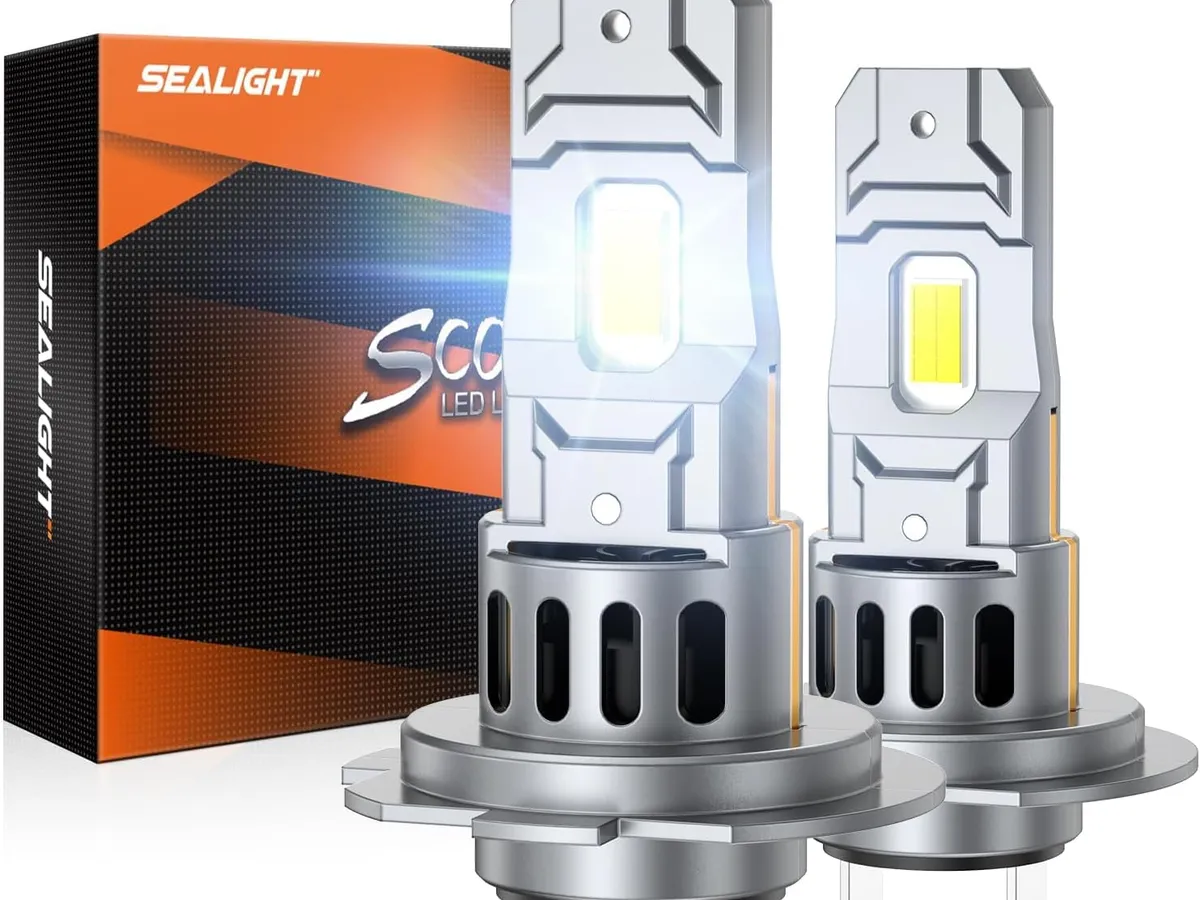
The SEALIGHT S2S prioritizes beam quality and clean integration over headline lumen figures, and at around $31 with a 4.4-star average across more than 1,100 reviews, it's the value-conscious enthusiast's pick. It uses a 0.05-inch ultra-thin copper substrate to keep the light source compact and tightly focused, which eliminates the flickering and dim halo effect common to thicker, cheaper LED boards. The result is a sharper, more controlled beam that minimizes glare for oncoming drivers.
SEALIGHT sizes the S2S 1:1 to the original halogen bulb so it drops into your factory housing and plug with no external drivers or wiring. A high-speed cooling fan paired with a single copper heat tube keeps operating temperatures low for a rated lifespan beyond 50,000 hours, and the bulbs hit full brightness in about 0.1 seconds - no warm-up lag when you flick the headlights on. Optimized wattage and CANbus-ready electronics keep error codes, flicker, and radio interference in check on roughly 99% of vehicles.
Why It's Famous: Clean, Focused Light Without the Glare
This bulb's reputation is built on beam discipline. In projector-style headlights especially, where the lens magnifies any flaw in the light source, the S2S produces a tight, even pattern with a clean cutoff that doesn't blind the cars in front of you. For European vehicles with sensitive computer-controlled lighting, the CANbus-ready design helps avoid the "bulb out" dashboard warning that plagues LED retrofits.
As with every H7 LED, fitment is the thing to verify first. The S2S is sized to OEM spec, but certain VW, BMW, Mercedes, and Hyundai platforms still need a vehicle-specific retainer to seat the bulb at the correct angle - a misaligned H7 LED is both less effective and potentially blinding to oncoming traffic. Confirm your stock bulb size and check the fitment notes before ordering.
Pros | Cons |
|---|---|
Excellent focused beam, especially in projector housings | Lower lumen output than max-brightness rivals |
Strong 4.4-star rating across 1,100+ reviews | Sensitive models may still need an external decoder |
1:1 OEM size, plug-and-play for most vehicles | Some platforms require a separate H7 retainer adapter |
0.1-second instant-on with no flicker | Fan-cooled design has moving parts that can wear |
CANbus-ready for ~99% of electrical systems |
BEAMTECH H7 LED Bulbs
Pick #3 - Best Fanless H7 LED
6500K Xenon White | Fanless In-Line | 1:1 Size | Aviation Aluminum Shell | Pack of 2
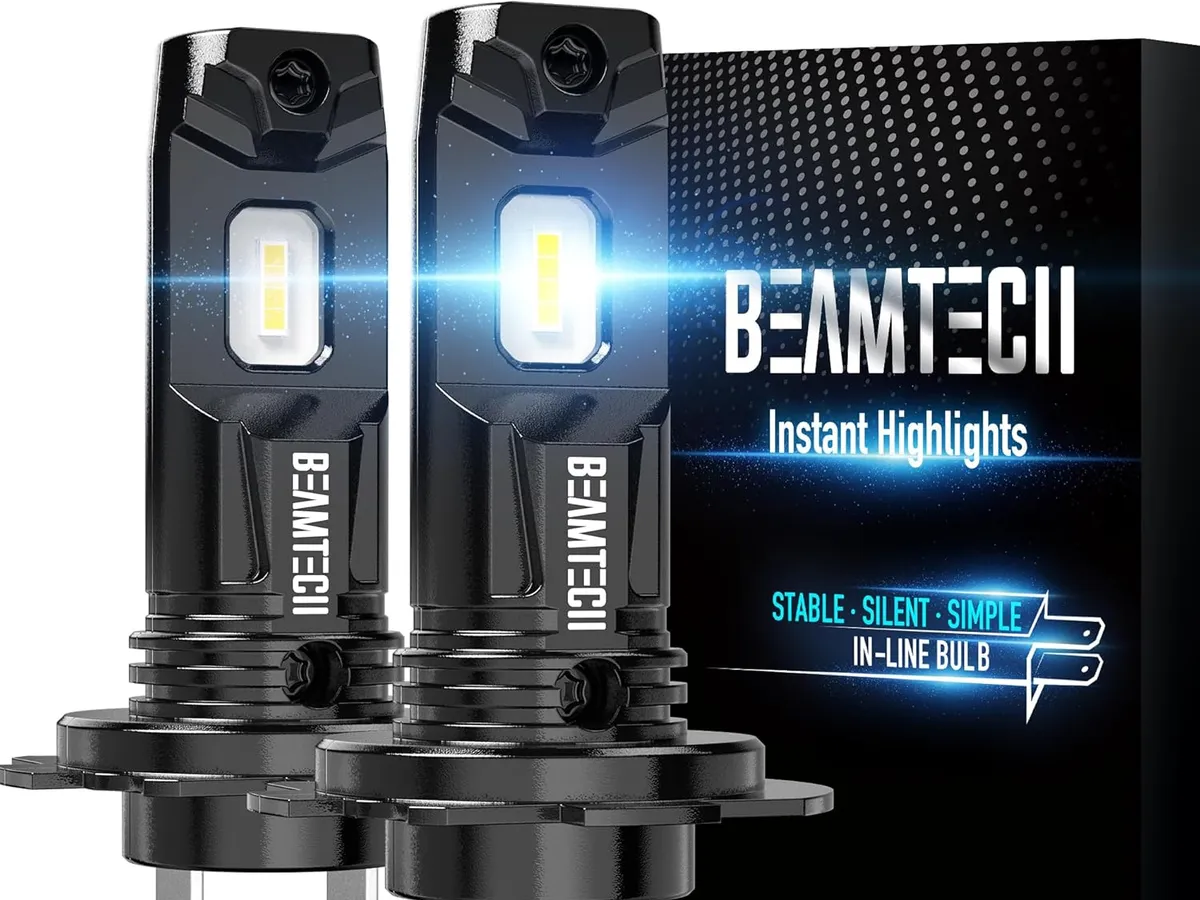
With nearly 8,000 reviews and a 4.4-star average, the BEAMTECH H7 is the most battle-tested bulb on this list and the one to choose if you want to skip the cooling fan entirely. Instead of a fan, it relies on an aviation-grade aluminum shell to dissipate heat passively. That means no fan noise, no fan motor to fail over time, and one fewer moving part inside your headlight housing - a meaningful reliability advantage for a component that's expensive to access and replace.
The bulb uses a compact in-line design with no external driver or wiring harness, so installation is a straightforward plug-and-play swap. BEAMTECH positions the luminous point to match the original halogen filament, producing a uniform white beam that replaces the dim factory glow without scattering light. The aluminum heat-sink construction is rated to extend service life to roughly 100 times that of a stock halogen bulb.
Why It's Famous: Proven Reliability, No Fan Required
The fanless design is the headline. Cooling fans are the most common long-term failure point in LED headlight bulbs, and BEAMTECH's passive aluminum cooling sidesteps that risk while keeping the bulb dead silent. Combined with one of the largest review bases of any H7 LED on the market, this is the safe, no-drama choice for daily drivers who just want a reliable upgrade and never want to think about it again.
The trade-offs are inherent to fanless bulbs: passive cooling generally caps maximum sustained brightness compared to an actively fan-cooled bulb of the same class, so this isn't the pick if you're chasing the absolute brightest output. It's also marketed for fog-light and off-road use, and as always you should verify H7 compatibility - and any required retainer adapter - for your specific vehicle before purchase.
Pros | Cons |
|---|---|
Fanless - silent, with no fan motor to fail | Passive cooling limits peak sustained brightness |
Massive review base (7,900+) at 4.4 stars | Marketed primarily for fog/off-road use |
Compact in-line design, no external driver or wiring | No built-in CANbus decoder advertised |
Aviation aluminum shell for durable passive cooling | Compatibility and retainer must be verified per vehicle |
True 1:1 size for easy plug-and-play fitment |
Cougar Motor K16 H7 LED Bulbs
Pick #4 - Best No-Adapter Fit
6500K White | 60W | No Adapter Required | 1:1 Mini Size | Cooling Fan | Pack of 2
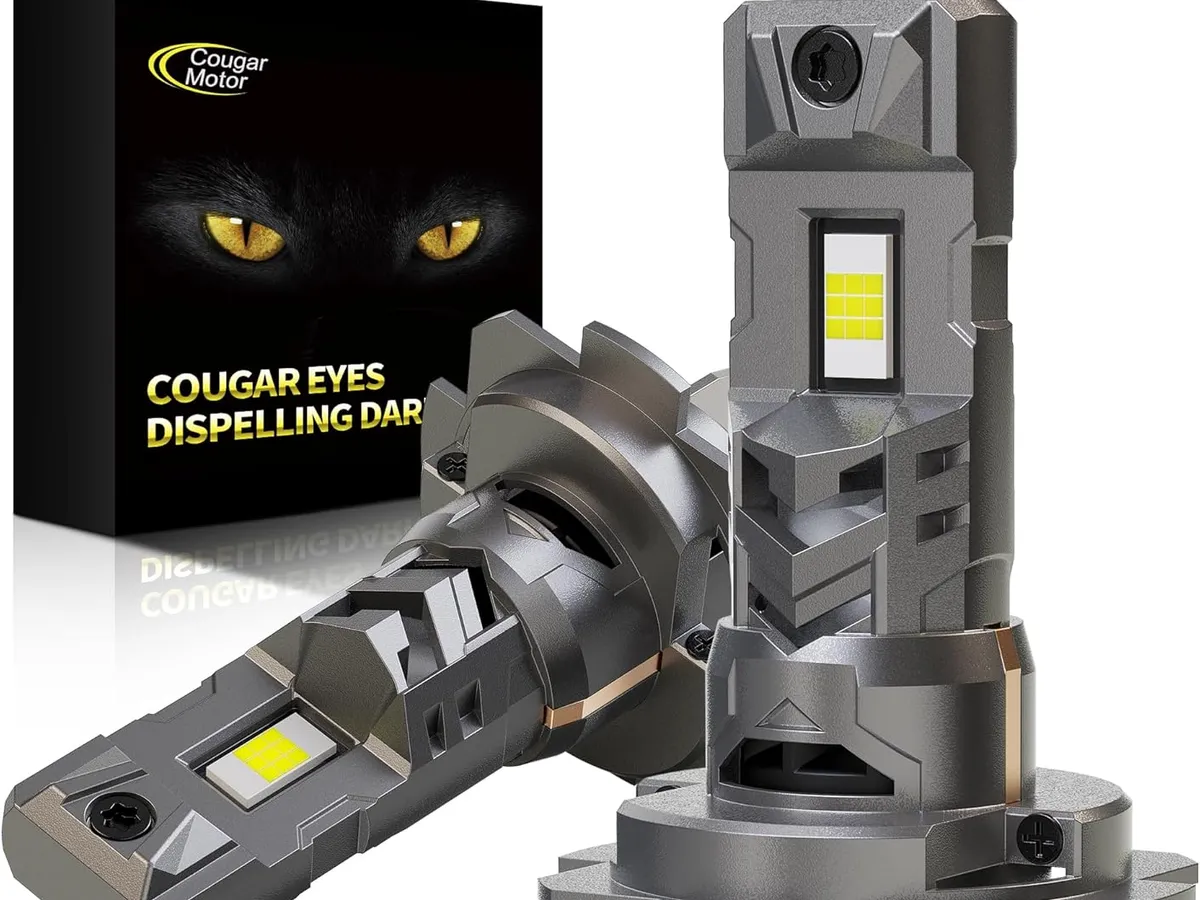
The Cougar Motor K16 is built around solving the single most frustrating part of an H7 LED upgrade: the adapter problem. Its 1:1 mini body is designed to drop directly into the stock socket on a wide range of vehicles with no separate retainer adapter required, which removes the most common reason H7 LED installs fail or end up misaimed. A high-speed driver brings the bulbs to full output essentially instantly, with stable, flicker-free light from the moment you switch on.
The K16 produces a clean 6500K white beam at 60 watts, with even road coverage and no dark patches - tuned so the light is bright without dazzling oncoming drivers. An aviation-grade aluminum body handles high operating temperatures and supports a rated lifespan of over 50,000 hours, and an active cooling fan keeps the chips in their optimal thermal range. It's robust enough for ATV, SUV, and off-road use as well as standard road cars.
Why It's Famous: Plug and Play With No Adapter Hassle
For anyone who has fought with H7 retainer clips, the K16's no-adapter-required design is the selling point. It installs in minutes without modification on supported vehicles, which makes it the easiest recommendation for a first-time LED upgrader who doesn't want to research retainer part numbers or order extra hardware. A 4.3-star average across 855 reviews backs up the real-world fitment and brightness claims.
At around $44 it's the priciest bulb on this list, and "no adapter required" still depends on your specific headlight - some sensitive vehicle computers may require a decoder to stop flicker, and a handful of platforms will still want a retainer. It's also positioned partly as a fog/auxiliary and off-road bulb, so confirm it suits your low-beam application before buying.
Pros | Cons |
|---|---|
No retainer adapter required on most vehicles | Most expensive option on this list (~$44) |
Instant-on with stable, flicker-free light | Sensitive vehicles may still need a decoder |
6500K white, even coverage with controlled glare | Marketed partly for fog/off-road use |
Aviation aluminum body rated for 50,000+ hours | "No adapter" still depends on your exact housing |
Solid 4.3-star rating across 855 reviews |
H7 LED Bulb Buying Guide: What to Look For
Beam Pattern Is More Important Than Lumens
Manufacturer lumen numbers on H7 LED bulbs are almost universally inflated and should be ignored. What actually matters is whether the LED chips sit in the exact position of the original halogen filament. Correct chip placement produces a focused beam with a sharp cutoff that lights the road; incorrect placement scatters light everywhere, creating glare for oncoming traffic and poor real-world visibility. Always prioritize a bulb with a verified accurate beam pattern over one advertising the biggest lumen figure.
The H7 Adapter Problem
Unlike most bulb types, H7 retention mechanisms vary between manufacturers. The electrical connection is standard, but the physical clip or twist-lock that holds the bulb differs by make and model. Many vehicles - including VW Golf/Jetta/Passat, BMW 3/5 Series, Mercedes C/E Class, and Hyundai Sonata/Elantra - require a vehicle-specific retainer adapter to seat an LED bulb correctly. Installing without the right adapter leaves the bulb at the wrong angle, producing a misaimed beam that is both less effective and potentially blinding. Always check the manufacturer's compatibility guide for your year, make, and model first.
Projector vs. Reflector Housings
H7 LED bulbs perform best in projector headlights, where the lens focuses light into a controlled beam regardless of the source and partially corrects imperfect chip placement. Most vehicles using H7 from 2010 onward use projectors. Reflector housings are far less forgiving - they're designed around the exact halogen filament position, so any deviation creates scattered light and glare. If you have a reflector housing, choose a bulb specifically verified for reflector performance, such as the Fahren.
CANbus Decoders and Error Codes
Many European vehicles (VW, BMW, Audi, Mercedes, Volvo) monitor headlight current draw and will trigger a "bulb out" dashboard warning because LEDs draw less current than halogens. Bulbs with built-in CANbus decoding prevent these errors on most cars. For most Asian and American vehicles without this monitoring, a decoder is unnecessary. A few vehicles with premium diagnostic systems may need an additional external decoder even with a CANbus-ready bulb.
Cooling: Fan vs. Fanless
Fan-cooled bulbs sustain higher brightness because active airflow pulls heat off the chips, but the fan is a moving part that can eventually fail. Fanless bulbs use aluminum or copper heat sinks - they run silent and have no motor to wear out, but passive cooling generally caps peak sustained output. For maximum brightness choose a quality fan-cooled bulb; for maximum long-term reliability and silence, choose a well-built fanless one like the BEAMTECH.
Conclusion:
Upgrading to H7 LED bulbs is one of the most cost-effective ways to modernize an older vehicle and significantly improve night-driving safety. While raw lumen counts often dominate marketing materials, the most important factor for your actual vision is the precision of the beam pattern. A bulb that mimics the original halogen filament position will provide a clear cutoff line, ensuring you see the road ahead without blinding other drivers.
Before making your final choice, double-check your vehicle's specific mounting requirements. Many European and Korean car brands use proprietary plastic retainers rather than standard wire clips, which may require an additional inexpensive adapter to secure your new LEDs. Once installed, you will likely find that the crisp white light not only improves visibility but also reduces eye strain during long nocturnal commutes, making the transition from yellow halogen to modern LED a permanent and worthwhile upgrade.
Frequently Asked Questions
Q1: Are H7 LED headlight bulbs legal?
A: In most U.S. states, aftermarket LED headlight bulbs are not DOT-approved and are technically sold for "off-road use only." Enforcement is rare, and many states do not specifically prohibit them if they produce a proper beam pattern without excessive glare. European regulations are stricter - some countries require type-approved retrofit bulbs. Check your local regulations before installing.
Q2: Why are H7 LED bulbs harder to install than other sizes?
A: H7 bulbs are held in place by a retention clip or twist-lock that varies by vehicle manufacturer, unlike H11 or 9005 bulbs that use a universal quarter-turn lock. This means H7 LEDs often need a vehicle-specific retainer adapter to fit the mounting mechanism. The electrical connection itself is standard - only the physical mounting differs.
Q3: Do H7 LED bulbs need a CANbus decoder?
A: Many European vehicles do, because their systems monitor bulb current draw and flag the lower LED draw as a fault. Bulbs with built-in CANbus decoding handle this for most cars. Most Asian and American vehicles don't monitor current and won't need a decoder at all. A small number of vehicles with advanced diagnostics may still require an external decoder.
Q4: How much brighter is an H7 LED than stock halogen?
A: A quality H7 LED produces roughly three to four times more usable road light than a stock H7 halogen bulb, which puts out about 1,350 lumens of dim yellow light. Just as important, the 6500K white color closely mimics daylight, making road signs, lane markings, and hazards far easier to see at night.
Affiliate Disclosure: This post contains affiliate links. If you purchase a product through one of these links, we may earn a small commission at no additional cost to you. All opinions expressed are our own.